
Episode 81: Leading with Imagination

Season 4 kicks off with Steve Sherman, Chief Imagination Officer at Living Maths, for a wide-ranging conversation about creativity, technology, and restoring the joy of learning.Steve joins us from Cape Town to share his unconventional journey into education and his work inspiring students around the world through mathematics, problem-solving, space education, and playful learning. Together, we explore declining literacy and attention spans, the opportunities and risks of AI, and why technology should be used intentionally—not simply for technology’s sake.We also discuss hands-on strategies such as Story Dice, the importance of helping every student feel seen, and why schools must prepare learners to adapt, communicate, think creatively, and unlearn and relearn. Steve leaves us with a powerful challenge: education should help students learn, not merely be taught, and inspire them to genuinely look forward to school.Keep your hats on and your minds open for a thought-provoking start to Season 4
Steve Martinez (00:30)
Hey friends, welcome to the kickoff of season four under the hat. I'm Steve Martinez. I am your co host. And as always, I'm joined by the lovely
Sophie Youngs, MEd (00:40)
Sophie! I'm Sophie Youngs and I'm the other co-host. Welcome back to season four, everybody.
Steve Martinez (00:46)
Awesome. Yeah. Sophie, so there is a lot of ch I don't say changes, but let's say changes, like with the rebrand, with the how with how the show looks. and then also we're doing something quite special this fall. so I'm super excited about it.
Sophie Youngs, MEd (01:04)
Yes, I have been incredibly busy over the summer break revamping our rebrand, changing the way we look and feel to sort of mature while keeping the hat and tiara part of our our vibe. our colors, you're gonna see them get a little bit darker, but still be completely accessible, high contrast, all that jazz. and this fall is really when you're gonna see.
Sophie Youngs, MEd (01:33)
a lot of the the changes happening in the k in our October professional development opportunity. So as everyone that's listening probably already knows, we do the March Madness with the protocols. And we wanted to do another one in the fall. So for one each semester type of thing. And this time October we're trying a shadow quest. And it's
Sophie Youngs, MEd (02:00)
We're gonna have 12 presentations that are 15 minutes each. Everything's gonna be recorded and everything is gonna be asynchronous so that people can access it. So if you want to have the secret code to the Shadow Quest, then you need to register to attend. We are picking the presenters as we speak. we did get a number
Steve Martinez (02:21)
Mm-hmm.
Sophie Youngs, MEd (02:22)
of presenters, so we actually do get to select who what's going on and who's gonna present.
Sophie Youngs, MEd (02:29)
During this pr wonderful free three-weekend professional development. So if you watch the show only, you're gonna get like previews and sneak peeks and maybe even a session here or there if you watch and listen to the show. But if you want to actually have full access to all 12 of the presentations that are UDL-based and spooky themed, spooky witchy Halloween, because it's in October themed, then come on down and register.
Sophie Youngs, MEd (02:59)
We have a whole website filled with the information that covers everything in the Shadow Quest. And it's just it's it's fun. So it's like this little twist on the UDL and how you can be breaking down barriers and breaking the curse, one would say, of inaccessibility to increase engagement and learning in your classroom. Is that everything,
Steve Martinez (03:22)
It's so good.
Sophie Youngs, MEd (03:23)
Steve?
Steve Martinez (03:24)
It's so good. It's so on brand for the month of October. the the other thing I'd like to mention too is for the first time ever, the podcast is has a sponsor. and so yes,
Sophie Youngs, MEd (03:37)
We have a sponsor.
Steve Martinez (03:39)
and so more more sponsors are coming. So we we are in those conversations with folks that want to support the work that we're doing. and part of the work that we're doing, it's not just like, you know, the
Steve Martinez (03:48)
the the episodes themselves, but starting to see these PD events that Sophie and I love to do. and so Learning Genie is an official and we did a posting on this, so this is not like, you know, new to some
Sophie Youngs, MEd (04:01)
New news.
Steve Martinez (04:02)
of you. Yeah, but like, yeah. but yeah, we so their part of their sponsorship is sponsoring the Shadow Quest. and so you will see some visibility and some some highlights there. and just expect to see Learning Genie very much a part of
Steve Martinez (04:17)
at least this semester, of you know, just with the work that that we're doing. so super, super excited about that and looking forward to what's to come for the show. But yeah. but Sophie, let's talk a little bit about what we're doing today though.
Sophie Youngs, MEd (05:07)
Today we do have a guest, and to kick off season four with the man, the myth, the chief imagination officer of Living Maths, Steve Sherman. When he isn't gallivanting across the globe, spreading math and science joy, he is in the trenches feeling the real situations of the classroom with thousands of students weekly. We added some he he added in some sparkle into his.
Sophie Youngs, MEd (05:34)
Bio, so we'll get into that. He is an educator, 2020 Global Teacher Award winner, two times TEDx speaker, World Space Week 2024 honoree. in the tech and space nerd era area, he's a Kahoot Ambassador at MIEE and Humans to the Moon and Mars outreach officer. And he wouldn't be the legend that he is without being the December.
Sophie Youngs, MEd (06:02)
2006 Time Magazine cover model, as each of you are. the buffet black belt and national low jump record holder. Keep your hats on and your minds open for star guest Steve. Welcome.
Steve Sherman (06:18)
Woo!
Steve Sherman (06:19)
Thank you for the intro.
Sophie Youngs, MEd (06:22)
Steve, why don't you start off by telling our audience a little bit about your educational journey?
Steve Sherman (06:28)
My educational journey. Well, you know, I studied computer science and math at university. I always knew that I loved the STEM subjects, but I wasn't sure that I was going to go into
Steve Sherman (06:45)
those fields. I just knew that I needed to do something with them. And in particular, I loved working with kids. did a couple of summer camps in the US. And when we were finished the summer camps, we then went into Los Angeles. And we did these classes with very underprivileged kids, where we made ice cream with liquid nitrogen, we did exothermic and endothermic reactions. And those kids
Steve Sherman (07:14)
just the expression on their faces told me that not only was learning happening, but it was memorable. And
Sophie Youngs, MEd (07:23)
Yes.
Steve Sherman (07:23)
I thought, wow, if I could do that, if I could be not just a teacher that can teach, but a teacher that can reach, that would be something impactful. you know, I got back and someone said to me, you won't believe this, but there's this program,
Steve Sherman (07:43)
called Living Maths. They've just started. They're in two schools and they're looking for someone who wants to work with kids and do brain teasers and puzzles. And I said, sign me up. I got in. I started doing it for about three months and I said to them, you know what? You guys are not doing it properly. And they said, well, what do you mean? I said, you can't go to different classrooms and each teacher is taking their own content. You don't know what's being covered. It's difficult to measure if we're making an impact.
Steve Sherman (08:13)
I said, you kind of need like a curriculum for all of them. And they said, well, why don't you join us and you can create the curriculum. I said, fine, no problem. And after another three months, I said, you know, why don't I just buy it from you? And they said, sure. So I bought it from them and officially I started in 1995 on the 1st of February on my own. And we now...
Steve Sherman (08:43)
go into classrooms, we inspire kids, we get them excited about the STEM subjects, mainly mathematics, problem solving, creative thinking, natural thinking. And then of course, we also go into, you know, things like coding robotics, ed tech, space, and we've got many other projects, math Olympiads and that type of thing. We've just hosted an astronaut now in South Africa going around to schools.
Steve Sherman (09:11)
We managed to interact with 8,000 people face to face and we did 4.5 million over TV and radio and then another 1.5 million through social media in the first two or three days and then we just stopped counting from there. So it really is for me a passion to go out and inspire kids and you know it's the easiest job in the world when you love what you do.
Sophie Youngs, MEd (09:39)
Yes. And so,
Steve Martinez (09:40)
Hundred percent.
Sophie Youngs, MEd (09:41)
for the audience's sake, you're in South Africa. Yes.
Steve Sherman (09:43)
I am, I'm in Cape Town, South Africa.
Sophie Youngs, MEd (09:46)
Beautiful. I love it. I also love your accent.
Steve Sherman (09:50)
Thank you. I'm keeping it.
Steve Martinez (09:54)
Yeah.
Steve Martinez (09:57)
I I appreciate and l so as a as a history teacher, right, as someone that grew up not enjoying math and as Sophie has pointed out to me many times, is like, Steve, it's because you didn't have the right math teachers, right?
Steve Sherman (10:12)
That's it.
Sophie Youngs, MEd (10:12)
Bingo.
Steve Martinez (10:12)
And
Steve Martinez (10:13)
and I like just hearing you describe how your like just the work that you've done throughout your career, right? Like showing kids where math lives.
Steve Martinez (10:26)
Outside of a textbook.
Steve Sherman (10:28)
Mm-hmm.
Steve Martinez (10:29)
particularly around like it sounds like you've done a lot of work like, you know, with astronomy and space and like the is I don't care who you are at one point in your life, you've been intrigued by what's up there, right? In some in some sort of way, right? And so just showing how math just lives everywhere, outside of just like, did you get number three right?
Steve Martinez (10:57)
and for me that that that's super powerful in in terms of like just showing the relevance of that content area.
Steve Sherman (11:04)
Well, I mean, you made a very valid point that you didn't like mathematics. So I always tell students, have never met a single student that cannot do mathematics. But I've met many students who tell me that they cannot do mathematics.
Steve Sherman (11:25)
And if you tell me that you cannot do mathematics, you are the hardest person to convince. So I need to change your attitude, your mindset, and open your mind to the fact that you do have ability. And I think one of the most critical skills that I can impart on students is to show them that there is a context for mathematics. You're not just doing math at school because that is a subject and you have to do it.
Steve Sherman (11:54)
It actually fits into the real world around you and you need those skills. Problem solving skills are essential. Whether you're on the playground, whether you're at home, if we had more world leaders that were implementing problem solving skills and it doesn't always involve numbers and pictures and colors, problem solving is an approach to solving a problem. Let me tell you the world would be a better place because right now, of our world leaders could certainly do with some problem solving.
Sophie Youngs, MEd (12:23)
And critical thinking.
Steve Martinez (12:27)
Yes.
Steve Sherman (12:27)
I agree.
Sophie Youngs, MEd (12:33)
I feel like I need to address for those who are watching the the filter that's on your face.
Steve Sherman (12:40)
No, this is my natural beard.
Steve Sherman (12:42)
Sometimes it's my natural beard, but you know, I do every now and again have a bad hair day. Sometimes I'm actually out in space
Sophie Youngs, MEd (12:48)
Ha ha ha.
Steve Martinez (12:49)
Yeah.
Steve Sherman (12:51)
and I'm floating around. I could be under the hat and have a top hat, like, you know, it all depends on the mood. And sometimes I bring the cat in and it gets to play on my head. And I could also, you know, feel like I need to change my hairstyle.
Steve Sherman (13:08)
Maybe get with it, you know, sometimes you just gotta be, you gotta go with the flow. You gotta go with the flow.
Sophie Youngs, MEd (13:13)
I I really love it though because when Steve Martinez and was telling me about you, Steve Sherman, it was because people were confusing you guys a lot on the internet and social media and tagging you and in things each other in things that
Steve Sherman (13:31)
Mm-hmm.
Sophie Youngs, MEd (13:32)
you didn't actually do. so so like
Steve Sherman (13:35)
Guilty. Guilty as charged.
Sophie Youngs, MEd (13:41)
Steve Martinez would be, thanks so much for helping us out with Kahoot while he was working at Kame. He's like, I didn't do a Kahoot trading. but they were actually trying to tag Steve Sherman. So
Steve Martinez (13:49)
If I did, I forgot.
Steve Sherman (13:51)
you
Sophie Youngs, MEd (13:55)
but yeah, so it w that's just something so I think it's really funny that you chose to a filter that sort of looks like Steve Martinez, especially with his
Steve Sherman (14:04)
I try to fit in and blend in as we go along.
Steve Martinez (14:07)
Mm-hmm.
Sophie Youngs, MEd (14:09)
I love it.
Steve Sherman (14:10)
I will get a crown, don't worry, I'll make sure I've got a crown for you as well.
Sophie Youngs, MEd (14:14)
Okay. Purple in your hair?
Steve Sherman (14:18)
You want? We can make a plan.
Steve Martinez (14:23)
Nice. I love that. I love that.
Sophie Youngs, MEd (14:23)
but yes. Okay. and I just I
Sophie Youngs, MEd (14:26)
love that all of your I'm looking at your bio again. Yes, there's your crown. there's an Irish
Steve Sherman (14:31)
Uh-huh.
Steve Martinez (14:31)
Mm-hmm.
Sophie Youngs, MEd (14:33)
kangaroo maths competition.
Steve Sherman (14:35)
Well, actually, it's there are 192 countries around the world that take part in the kangaroo competition and I being based in South Africa and running the Irish one and there's a bit of a history there because every year I would fly to Ireland for math week and I would go and do shows and visit schools and do presentations and I started running a math Olympiad during math week
Steve Sherman (15:05)
and we got up to 80,000 kids taking part. So when I discovered that there was no one running the Irish one, I put my hand up, you know, I tend to do these sorts of things and now I'm running it, but I do it from South Africa.
Sophie Youngs, MEd (15:21)
That's fantastic.
Steve Martinez (15:23)
I love that.
Steve Sherman (15:23)
You
Steve Sherman (15:24)
just have climb out of your comfort zone and try new things and you never know what you discover.
Sophie Youngs, MEd (15:31)
And you literally
Steve Martinez (15:31)
Yeah.
Sophie Youngs, MEd (15:32)
do global hop. Like 'cause we
Steve Sherman (15:35)
I do. I teach every week
Steve Sherman (15:37)
in New York at the Museum of Mathematics. I run a monthly Kahoot for them as well. I teach in a couple of schools around the world. You know, we've got fixed weekly classes that I do online. And, you know, I also run events for the American Kangaroo Math. Every couple of Sundays, I do a quiz where we get a few hundred kids to take part. So it's...
Steve Sherman (16:04)
You know, there's stuff happening all the time.
Steve Martinez (16:08)
Hmm.
Sophie Youngs, MEd (16:09)
That's
Sophie Youngs, MEd (16:10)
it sounds like there's a lot of logistics going on in your head.
Steve Sherman (16:15)
Well,
Steve Sherman (16:16)
the logistics go on in the head, the delivery of these things are very easy because they come naturally. As I said, if
Sophie Youngs, MEd (16:24)
Yeah.
Steve Sherman (16:24)
you love what you do, are you really working? Not really. You're just having fun.
Sophie Youngs, MEd (16:27)
Yeah. Yeah.
Steve Martinez (16:31)
So they just like this this this concept of like around the globe, like Sophie correct me if I'm wrong, I the term you use is like global hopping, right? Like
Sophie Youngs, MEd (16:40)
Yeah.
Steve Sherman (16:40)
Mm-hmm.
Steve Martinez (16:40)
kinda so s Steve, you you see you see education on a more grander like scope and context than somebody that like me that like yeah, I've done plenty of like P D within the states, right?
Steve Sherman (16:55)
Mm-hmm.
Steve Martinez (16:57)
Certainly in California and the West Coast. what is
Steve Martinez (17:01)
What is like a commonality that you see w in education across the globe? Yeah.
Steve Sherman (17:06)
There are trends.
Steve Sherman (17:08)
There are trends. you know, we're starting to see, and it's not just in South Africa, it's in the US as well, there are major declines in performance within schools with regards to mathematics. And people are trying to identify what the causes could be. And I have my own theory.
Steve Sherman (17:35)
I think kids today do not read. They are so connected to social media and the internet that because they don't read, their comprehension skills are lacking. And when it comes to mathematics, if you cannot understand what the question is asking you to do, then of course you cannot solve the problem because you're still busy working out what the question is.
Steve Sherman (18:01)
So I'm seeing that is something that is global. It's happening in many countries that I'm working with. don't only teach in the US, I teach in the UK and in Australia and in some European countries. And I've noticed that there is definitely a trend, a downward spiral for the kids that don't read. There's also been an uptick.
Steve Sherman (18:26)
in the number of kids with learning differences. I'm not going to say disabilities, but learning
Sophie Youngs, MEd (18:33)
Yes.
Steve Sherman (18:34)
styles that are different. So, you know, we've got a lot of kids in South Africa, and I'm sure you have it in the US as well, who have a condition called ADSO. Have you ever heard of ADSO? No? Attention deficit. shiny object!
Steve Sherman (18:55)
So very, very
Sophie Youngs, MEd (18:55)
my gosh.
Steve Sherman (18:56)
distracted with what's going on. Some people call it ADHD, but you know, at the end of the day, I'm finding that, and I suspect it all goes down to social media and amount of time spent on digital devices where concentration span is incredibly diminished. And when you've got kids that have got a diminished concentration span, that means you can impart less knowledge.
Steve Sherman (19:24)
They don't have the patience to learn and to acquire skills. And then they can't read and understand because the comprehension skills have declined. You're going to start to see this imploding within schools and then exploding within countries. And we started to see it all over. So, you know, what worries me is that AI is now stepping up and is taking over the job of some students.
Steve Sherman (19:54)
from writing their essays and doing their homework, they just simply ask AI to do it for them. And what it's actually doing is, is it's diminishing their capacity to think. So we are creating a species of child that is going to struggle to read, has very, very poor attention, and unfortunately has become complacent when it comes to thinking. And I have to tell you,
Steve Sherman (20:24)
Being creative and thinking is one of most exciting things to do. And any person that has had the opportunity to get a paintbrush or a pen or do something creative and sees the product of their work will be like, I had such fun. It was amazing. It would be sad if they start to lose that sensation of, I don't need to do that. ChatGPT can make the images for me. I think that that would be sad when people start to relinquish.
Steve Sherman (20:54)
their joy for creativity and it's definitely becoming more prolific within the younger generation.
Sophie Youngs, MEd (21:03)
The dopamine seeking is more immediate. and it can be because of the shorts of the TikTok of the YouTube shorts and all of the the dopamine seeking is just like bam, bam, bam, bam, bam. And there's like this set in some cases some technology addiction and they don't know how else to get it. there is research out there that collaboration is one of the ways to fight that.
Sophie Youngs, MEd (21:32)
So if you're in the
Steve Sherman (21:33)
Mm-hmm.
Sophie Youngs, MEd (21:33)
classroom and you're having a collaborative activity, students are less likely to reach for a device to hit get that dopamine boost when they are directly interacting with their peers. because that is giving them something to focus on, and it's also giving them the dopamine boost that they're that they're seeking as while that when they're talking and collaborating with their peers. so that's an interesting way to go about it too, because there's even teachers that are hesitant.
Sophie Youngs, MEd (22:01)
To allow students to collaborate in the classroom. They want to see that they
Steve Martinez (22:04)
Mm.
Sophie Youngs, MEd (22:04)
can do it on their own. And
Steve Sherman (22:07)
Mm-hmm.
Sophie Youngs, MEd (22:07)
I'm like, but a lot of learning happens when they're talking to one another, when they're assisting with each other, when they're teaching each other. There's so much more learning that goes on than just direct instruction and doing it on my own. so there are things I think that we can combat with a lot of that, but one of the things I don't think.
Sophie Youngs, MEd (22:30)
is going to be successful is just removing technology from classrooms.
Steve Sherman (22:36)
Well, that's that's a contentious issue and I'll tell you why you know at the end of the day when when you think about it I Have this and I've got to be careful how I say it because some people might get a little you know they might get their their tail feathers ruffled a little bit, but whoever controls the money controls the conversation and We have seen is that
Steve Sherman (23:05)
EdTech providers are fighting for space and time in the classroom because for them it's a business.
Sophie Youngs, MEd (23:17)
Mm.
Steve Sherman (23:17)
But at the end of day, sometimes I think that the products that are being offered are not as essential as they are made out to be.
Sophie Youngs, MEd (23:33)
Of course, yeah.
Steve Sherman (23:33)
and
Steve Sherman (23:34)
we could do a lot less with them and a lot more old school interaction and group work like you said. And then there's also a trend towards gamification of everything that you do in the classroom so we can mimic what the algorithms are doing to you when you are on social media. And yes, there are some great programs, I love Kahoot!, but it's not something that you do all the time because these kids then start thinking
Steve Sherman (24:04)
We only played Coup last week. Why aren't we doing it this week? What's going on? And you can already see that addiction kicking in. So I think it's important that we also get kids to walk out of the classroom and use these things. We call them hands. And they get to play with things and do things. That's how you discover when you actually play with things. And I'm loving the robotics. I'm loving the fact that they can go and do coding and they can...
Steve Sherman (24:33)
put their hands in the codes and things together to make robots that actually compete in events. But then even they Lego and first have separated because Lego has introduced AI components. And now it's about you now need to buy the new Lego components to take part in the Lego competitions. And once again, people are putting profit before
Steve Sherman (25:03)
the learning. And
Sophie Youngs, MEd (25:04)
The learning.
Steve Sherman (25:05)
we've got to be careful. And that's why I'm gentle about it, because some of them have got great value. But we must, as educators, we must try and find more time to engage the students and not just put the tech in their hands and say, you do the rest. Because I don't know if that's going to be of the greatest benefit to them.
Sophie Youngs, MEd (25:29)
Don't use tech for tech's sake. Yes, it's gotta be in yes, incredibly intentional and purposeful tech use. For example,
Steve Sherman (25:39)
Agreed.
Sophie Youngs, MEd (25:40)
to get creative, you could use tools like Canva and Adobe to like get them to be like more creative and to create videos and flyers and ads and stuff that are applying other skills to do, but it's not something you're gonna do every day, type of thing. And just like a Kahoot.
Sophie Youngs, MEd (25:59)
Kahoot's Fantastic. and Gimkit and Booklet and Wayground. I love them, especially for like fast and curious protocols, but it's not an everyday thing. It's not an everyday
Steve Sherman (26:12)
No.
Sophie Youngs, MEd (26:12)
thing.
Steve Sherman (26:13)
And I mean, I'm always,
Steve Martinez (26:14)
Also yeah.
Steve Sherman (26:15)
yeah, sorry, yeah, you go ahead.
Steve Martinez (26:17)
no, sorry, sorry, see like 'cause like we like 'cause Steve, you you you care deeply about the creativity, right? And like, you know, the
Steve Sherman (26:23)
I do.
Steve Martinez (26:24)
the the I think people get confused as to what that could mean in a classroom. So like I I see teachers like, creativity, they immediately go think Adobe Canva. they're gonna create something or they're gonna create something beautiful out of a poster. But
Steve Martinez (26:44)
Going back to what we kind of talked about at the top of the episode is the problem solving skills. Because like
Sophie Youngs, MEd (26:50)
Yes.
Steve Sherman (26:50)
Mm-hmm.
Steve Martinez (26:50)
the creativity also feels like also fits under the bucket of creative solutions, not
Sophie Youngs, MEd (26:57)
Yes.
Steve Martinez (26:58)
just creativity
Steve Sherman (26:58)
Yep.
Steve Martinez (26:59)
from like maybe a VAPA standpoint, right?
Steve Sherman (27:02)
Mm-hmm.
Steve Martinez (27:03)
and so that's something that I just wanted to underscore because that that's such an important part of how we think about creativity in a classroom, because it's not just about what they create, it's about what they solve.
Steve Sherman (27:14)
Absolutely. mean,
Sophie Youngs, MEd (27:14)
Yes, I like that.
Steve Sherman (27:15)
do we have a chance for me to demonstrate an example? Okay,
Steve Martinez (27:20)
yeah, totally. Totally.
Steve Sherman (27:21)
so let me see if I can share my screen and let's see if we can Open a window I'm gonna find here we go. Okay, so this is a wonderful thing called story dice and story dice
Steve Sherman (27:43)
You basically choose, do you want nine dice or five dice? Let's pick the five dice. I'm gonna roll them again. And of course it's going to pick five random images. And I'm gonna start once upon a time, there was a young woman who loved listening to music, but she was so distracted by the music, she did not notice there was a mouse crawling by.
Steve Sherman (28:09)
And of course when the mouse came near her, she grabbed a book and threw it at the mouse and unfortunately it did hit the mouse but luckily for the mouse he managed to get away. Of course this young woman was not going to stay at home so she jumped into her car and she drove all the way to her office and she decided she was going to work from there instead of at home.
Steve Sherman (28:35)
because there was no way she was going to spend time with a mouse anywhere near her. The end. So now you get kids, they have to learn how to create a story on the fly. And then when they are feeling a little bit more confident, we play interrupting cow. And interrupting cow is from that old knock knock joke, knock knock, and you say, who's there? And you go, interrupting
Sophie Youngs, MEd (28:58)
Mm.
Steve Sherman (29:00)
cow. go, moo, and you interrupt them. So what I do is they start the story.
Steve Sherman (29:05)
And I picked someone in the class that has to throw random words at me and I have to include them in the story as I'm going along. My goal is to reach the last image. Their goal is to distract me so I cannot get there. And what you do is you are actually teaching them proficiency in thinking on their feet, being creative. And let me tell you, there's no way is a chat GPT.
Steve Sherman (29:33)
or Adobe or Kahoot can replace the excitement that kids feel when they play games like this. You actually can buy the physical dice, called story dice, and you can use them in the classroom. I just use the digital one because it's easier to demonstrate with you in this particular situation.
Sophie Youngs, MEd (30:13)
I love that. reminds me of the random emoji paragraph from
Steve Sherman (30:17)
Mm-hmm.
Sophie Youngs, MEd (30:18)
Edu Protocols. And it actually was sort of mind baffling to me when I learned like how to use that type of thinking, the dice, the random emoji, in other contexts. So like I'm thinking it's always just gonna be a random story that you just try to fill out. But when you give them constraints, it has
Steve Sherman (30:37)
Mm-hmm.
Sophie Youngs, MEd (30:38)
to be.
Sophie Youngs, MEd (30:39)
The the writing that you're doing or the story that you're telling has to follow these emojis in the world of Anne Frank,
Steve Sherman (30:47)
Yep.
Sophie Youngs, MEd (30:48)
then that actually makes them think harder. And that actually when I started thinking about it, it was making my brain hurt because some of those emojis have nothing to do with Anne Frank, but you have to think about them creatively to get them intertwined in there somehow. So
Sophie Youngs, MEd (31:05)
It's it's a type of thinking that a lot of students don't practice, but it is rather amazing.
Steve Sherman (31:12)
No. And remember your brain,
Steve Sherman (31:15)
your brain is elastic and the more you practice those kinds of activities, the more beneficial it's going to be for your problem solving and your critical thinking, but more important your creativity.
Steve Martinez (31:32)
This this does remind me a lot. Like this conversation like kind of has me point back, even though even though it's a little old school, but Steve's sometimes
Steve Sherman (31:40)
Mm-hmm.
Steve Martinez (31:41)
old school stuff still works, right? it points back to like SAMR model stuff, like SAMR model kind of conversation of like,
Sophie Youngs, MEd (31:48)
Mm.
Steve Martinez (31:48)
you know, like Sophie mentioned, like, don't use tech for tech's sake,
Sophie Youngs, MEd (31:52)
Tex.
Steve Sherman (31:53)
Mm-hmm.
Steve Martinez (31:53)
the
Steve Martinez (31:54)
intentionality behind that. I almost feel and again, I'm not I'm not trying to suggest that we do like we frame this as a dichotomy.
Steve Martinez (32:02)
Of like tech or no tech, right? if anyone's following the news right now in Los Angeles, LAUSD put a ban on AI on their district devices, right? And
Steve Sherman (32:18)
Mm-hmm.
Steve Martinez (32:18)
so, and we can feel however we want about that. but I don't think it should be a this or that. And so I almost feel like maybe it's good to frame
Steve Martinez (32:32)
an inverse SAMR kind of framework or discussion of like, you know, because like part of SAMR is how do you you know the redefinition of things, like you it's you can't do it without the computer, right? Like it's something,
Sophie Youngs, MEd (32:46)
Mm-hmm.
Steve Martinez (32:47)
you know, like it it it it's the computer is what makes that learning that sparks that light, right? Whatever that is. But almost like you can kind of like in inversely, like how do we frame this where like, hey
Steve Martinez (33:01)
This is so good that like it can only exist with tangible, interactive, face-to-face things, like away from the technology. You can kind of like showcase and model that, yes, effective pedagogy, while it can exist on the other side of a Chromebook, can very well exist behind other things as well. and so just having like that that more broader conversation of like it's not a this or that.
Steve Martinez (33:30)
and almost thinking about the non tech as being just as effective as the devices and technology itself.
Steve Sherman (33:38)
I mean, I agree with you, but here's the reality. The world around us is changing at an exponential speed. If you are not technically or technologically literate, you are going to be completely lost. That gap between the haves and the have nots is just growing and
Sophie Youngs, MEd (33:57)
It's just gonna grow.
Steve Martinez (33:58)
Mm.
Steve Sherman (33:59)
growing and growing. So we need to empower kids with the tech skills.
Steve Sherman (34:04)
but we also
Sophie Youngs, MEd (34:05)
Yes.
Steve Martinez (34:05)
Yeah.
Steve Sherman (34:06)
mustn't make them too dependent on them. And I've got a funny feeling that what we will see in the future is a situation where people start rebelling against AI and, you know, especially when when agentic AI starts taking over. And I'm not sure if you are familiar with agentic AI, but in a nutshell, imagine chat GPT is something that you engage with or
Steve Sherman (34:34)
Gemini or Copilot you engage with it and you ask it questions and it solves certain problems But now all of a sudden you turn it into an agent that is available 24 hours You can have conversations, but it can perform tasks For example, it can make a hair appointment for you It can book your tickets by going onto your bank account making the purchase on your behalf and then putting it in your diary and
Steve Sherman (35:03)
as if you have an assistant. And I was at an event just last week and someone said to me, you know, I run a small company. I have six staff and I'm the only human.
Steve Sherman (35:18)
and I had to let that sink in for a second. You mean you've got robots? He was, no, no, no, no. I have AI agents. One is handling my marketing, one's handling the accounting, one's handling this or that. And basically the marketing will go and independently search all the websites, the marketing, the social media sites to try and find similar companies to work out.
Steve Sherman (35:47)
the best algorithms for the kinds of social media you want to continuously place. You don't have to do anything. It's doing it all for you. And then of course you've got the other one who's handling all your accounts. And now the two are talking to each other going, well, here's our budget. This is we can afford to spend on marketing. You go ahead and do it. You don't have to do anything. And that is wonderful if you are technically enabled and you're an entrepreneur.
Steve Sherman (36:16)
and you see incredible opportunity. But the reality is half the stuff, maybe even more, that you see on social media isn't even real. I've got friends of mine who send me a video. What do you think of the singer? I'll say that singer doesn't exist. That is an AI created singer. All the songs, all the music, it is created by AI. They have their own record label supporting them.
Steve Sherman (36:46)
and they are generating hundreds and millions of dollars in revenue and it's not even real. And that takes a while for that to sink in. It's crazy. So
Sophie Youngs, MEd (37:00)
Mm-hmm.
Steve Sherman (37:00)
there are a lot of negatives, but I still think that there is a time and a place to introduce technology and we can be very creative about how we use it within our classrooms. So for example, history.
Steve Sherman (37:16)
You know, lot of people say, how do you use technology in history? Can you imagine if I created a AI chatbot of Anne Frank? And
Sophie Youngs, MEd (37:27)
Mm-hmm.
Steve Sherman (37:28)
now you get to ask it questions about their life growing up. How often do you get a chance to speak to a historical figure when you are learning about them?
Steve Sherman (37:42)
It's quite a profound experience. know it's digital and it's not really real, but it can be pretty realistic based on all the history of Anne Frank. And now you actually get to experience talking to Anne Frank and ask her why. So why did your family do this or that? And she's answering based on knowledge that was already out there. It could be quite a profound experience. So those kind of unique experiences
Sophie Youngs, MEd (38:09)
And then
Steve Sherman (38:10)
are amazing.
Sophie Youngs, MEd (38:12)
there could be an AI generated 3D image of her, and you put on virtual reality headset,
Steve Martinez (38:18)
Mm-hmm.
Sophie Youngs, MEd (38:19)
and you were literally sitting at a coffee shop talking to her in such
Steve Sherman (38:21)
Correct.
Sophie Youngs, MEd (38:22)
a way, and she's talking back to you in a voice that has been AI generated for her. Like
Steve Sherman (38:28)
Come here.
Sophie Youngs, MEd (38:29)
you can have and then go to the next coffee table, and there's Pablo Picasso, and you're talking to him about his art. It can be incredible.
Sophie Youngs, MEd (38:37)
Incredibly engaging and profound and amazing to talk to someone like that. And in just the depth of information that you can get and the engagement that you can have, and that type of learning is fantastic, but also can be kind of scary because my image is out there everywhere. Steve's image is out there everywhere.
Steve Sherman (39:00)
Correct.
Steve Sherman (39:02)
In fact, schools here in South Africa are starting to set up notices to parents to say that we are no longer posting the photos of your child when they receive an award and we are no longer posting their names because there have been cases,
Steve Martinez (39:18)
Mm.
Steve Sherman (39:18)
not just in South Africa but around the world, where people take the face of a child and then...
Steve Sherman (39:26)
through nefarious AI engines are able to place them on scantily clad bodies and then those images are then spread around as if it really was that person. And of course, from a legal point of view and from an ethical point of view, know, there should be guardrails to stop that sort of thing, especially when you're dealing with underage kids.
Steve Sherman (39:54)
But apparently if you pay a subscription, you can get a lot of interesting stuff.
Sophie Youngs, MEd (40:00)
Yeah. It's kinda scary.
Steve Martinez (40:02)
Again,
Steve Martinez (40:02)
that that that goes back to money talks, right? Like
Sophie Youngs, MEd (40:07)
Yes.
Steve Martinez (40:08)
to paraphrase what you said earlier, Steve, like that that
Steve Sherman (40:09)
ever controls
Steve Sherman (40:10)
the money, controls the conversation.
Steve Martinez (40:13)
Yeah. and so yeah, there there's plenty of scary
Steve Martinez (40:20)
Possibilities. yeah. Yeah. Yeah.
Sophie Youngs, MEd (40:21)
Deep fakes. Yes.
Steve Sherman (40:22)
But beautiful ones too. I mean, we can't always be in doom and there are many, I
Steve Sherman (40:27)
mean, I can cite many examples of where students, you know, with who are needing differentiated teaching are able to move
Sophie Youngs, MEd (40:38)
Yes.
Steve Sherman (40:38)
at their own pace. Some of the wonderful tools that Google and Microsoft have created, the reading assistant, where you can read at your own and it helps you and it translates words and it improves your ability to read.
Steve Sherman (40:52)
I mean, those sorts of things are incredible. So there are amazing
Steve Martinez (40:56)
Yeah.
Steve Sherman (40:57)
things that go with it. We just need to help as custodians of education. We need to help our students navigate the good ones and try not to get them too hooked on the negative ones.
Sophie Youngs, MEd (41:12)
Yes.
Steve Martinez (41:12)
Yeah.
Sophie Youngs, MEd (41:12)
that's all the like tech digital literacy, digital citizenship, AI literacy, to be able to recognize when something or question if something is real or not. I don't know how many times I get sent pictures of even if even if it's a real picture, but the caption is nefarious, like look at this poor dog, it was burned. It was a picture of a dog with a piece of ham on its face.
Steve Sherman (41:38)
Yeah.
Sophie Youngs, MEd (41:39)
But be captioned said it was burned. and I'm like, No, that's a piece of ham on the dog's face. Or then you have the eight I generated ones. Why?
Steve Sherman (41:45)
But you know why? Someone
Steve Sherman (41:48)
posted, well, sorry, AI posted it because it knows that the algorithm says that if you put something contentious like dog being burned, you're going to achieve greater views and click-throughs. So they are just playing the algorithm, but it's not common sense, but it's just pure business.
Sophie Youngs, MEd (42:09)
Well, you think it's not common sense, but this was actually a post before AI.
Steve Sherman (42:14)
interesting. I I would expect
Sophie Youngs, MEd (42:16)
This Yeah.
Steve Sherman (42:17)
AI to do it and not even realize why it's inappropriate.
Sophie Youngs, MEd (42:22)
and
Steve Martinez (42:22)
Mm.
Sophie Youngs, MEd (42:23)
it was shown to me and the person believed the picture was a burned dog. And I'm like, that looks like a dog with a piece of ham on its face. And it was, it was a legit piece. I'm like, you
Steve Sherman (42:32)
I don't know.
Sophie Youngs, MEd (42:33)
think it's common sense, but then there are people who believe the captions, they believe anything they read because it's on the internet. So that's just where
Steve Sherman (42:39)
Absolutely.
Sophie Youngs, MEd (42:40)
the digital literacy and the digital citizenship and the AI literacy all need to come into place. And if we're not teaching it in schools.
Sophie Youngs, MEd (42:52)
Where is it gonna be taught?
Steve Sherman (42:53)
They're going to do it
Steve Sherman (42:53)
home, they've got access to it on their phones, on their tablets, on their laptops. And if you do not, you know, point them in the right direction, it's like sex ed. If you don't give them the correct information, they're going to get it from their peers and their peers know just as much as they do. So you know that that's not a great combination. So I think that...
Steve Sherman (43:20)
As educators, we have to be beacons of light and we have to help these kids navigate where they need to be.
Steve Martinez (43:30)
They're gonna get some sort of virus on their computer. sorry.
Steve Sherman (43:32)
Yeah, without a doubt.
Steve Martinez (43:35)
Was that not appropriate? I'm sorry. could I could so like s I apologize, but see like like something you said way earlier on, that's been just really sitting on on my chest is like
Steve Sherman (43:48)
Mmm.
Steve Martinez (43:49)
going back to the students or our our younger generation, not reading. because
Sophie Youngs, MEd (43:55)
Mm.
Steve Martinez (43:56)
that that's something is since you mentioned that it was just like something that's just sitting here.
Steve Martinez (43:59)
and and and so because I I've I've seen that firsthand with my own daughter, right? Like, she and and again it goes back to the dopamine seeking where she she wants to go, you know, on on on YouTube, get the get that really quick content.
Steve Sherman (44:15)
Yep.
Steve Martinez (44:17)
but not understanding that the dopamine seeking that can exist in the pages of a book. And so I think there's like
Steve Martinez (44:28)
something to be said about we're losing the the the joy and the love of reading, right? And like teaching that like you can have discovery, have mystery, have adventure in books, whether it's being read to them or they're reading it, right? or on paper, digital, what what have you. and I don't know, there there's just
Steve Martinez (44:57)
As somebody that grew up not literate myself, right? And I had to obtain those skills in adulthood, it that's something that really hits because you're right, like if it's a whole generation that is struggling with that, and I think it it it comes in with the intrinsic motivation in mind, it just just showing them that they can have fun and get that dopamine within.
Steve Martinez (45:25)
those types of experiences by by reading.
Steve Sherman (45:27)
But it's prolonged,
Steve Sherman (45:28)
you see, it's not an instant gratification. Books don't give you
Sophie Youngs, MEd (45:31)
You have to wait.
Steve Martinez (45:32)
True.
Steve Sherman (45:33)
things quickly, so sometimes they don't have the patience. How old is your daughter?
Sophie Youngs, MEd (45:37)
Nine.
Steve Martinez (45:38)
She will be ten in October next month. Yeah.
Steve Sherman (45:40)
So I've got great app for you to
Sophie Youngs, MEd (45:40)
Next month.
Steve Sherman (45:42)
try. So I got to interview a wonderful guy from MIT. He is a tech person, but he
Steve Martinez (45:48)
Mm-hmm. Mm-hmm.
Steve Sherman (45:50)
tried to solve a problem. How do I get kids interested in reading? And the kids today don't have attention spans. They lose interest quickly. So he looked at the science of reading. And you can thank me later. Go look up Wonder Stories.
Steve Sherman (46:10)
Wonder stories and basically what happens is you pick a story for a level that you are happy with and you get like a virtual notepad and you tear away each page but each page is only about four or five lines long it's not a lot of reading and of course it's kind of like playing into the instant gratification you tear it away and then what happens is after two or three pages it asks you a question
Steve Sherman (46:40)
And you're like, I don't really know the answer. Let me carry on reading. So they are using special techniques to get kids interested in reading. And they've got great stories as well. Amazing stories. If I do a quick little search for wonder stories, let's just see if I can find it over here.
Steve Martinez (47:04)
I just did it myself.
Steve Martinez (47:06)
Yeah. It looks good. And the first thing you see is like start reading now.
Steve Sherman (47:11)
That's it. That's it. So if you click on start reading now, let's say we pick she's in second grade.
Sophie Youngs, MEd (47:17)
Fourth.
Steve Martinez (47:18)
She is in fourth grade.
Steve Sherman (47:19)
Fourth
Steve Sherman (47:19)
grade, right, we go to fourth grade. Let's pick a story. There is one called The Island of the Ring-Tailed Bandit. And Elliot is the guy that actually created all of this. And then you click on Start Reading and you put your name in. So now it's gonna engage you while you are reading. if I just click on Steve, I'm just gonna see what it does. You click on Next, it says...
Steve Sherman (47:49)
My name is Elliot and I love going on vacations with my best friend Natalie. And I mean, that seems pretty fair, nice and decent. And then you carry on reading and it's gonna start asking you questions as you go along. So what you you're supposed to click on it and it says, I wonder who is the ring-tailed bandit?
Steve Sherman (48:15)
Let's go to this cool island. So now there's a picture that's asking you who is this? So now it's posing a question and it's made you curious. And then you start reading and it's one page at a time. And what you're supposed to do is click on the bottom of the page. So it tears the page out. It works better on the app than it does on the web page. But you get the idea. You're tearing a page out at a time.
Steve Sherman (48:43)
And I think it's just such a clever idea to get the non-readers into reading. And hopefully they feel
Steve Martinez (48:51)
Yeah.
Steve Sherman (48:51)
confident enough to take real books and do that on their own. Not tear the pages out,
Sophie Youngs, MEd (48:55)
Hopefully not rip the pages out.
Steve Sherman (48:57)
but have fun. I was thinking the same thing.
Steve Martinez (48:58)
I don't think they do that in physical books. Yeah.
Sophie Youngs, MEd (49:02)
Well, and and but then there's even this barrier before they can even do that is can they read? I I have like I w I taught seventh graders who couldn't even read. I have sixth
Steve Sherman (49:14)
Yep.
Sophie Youngs, MEd (49:14)
graders. Right now we are I'm I'm I'm a middle school teacher, but I was an elementary education deg degree. Like I have an elementary education degree,
Steve Sherman (49:23)
He
Sophie Youngs, MEd (49:24)
and I don't know how to teach kids how to read. And I'm in this, in my new position, I'm learning a lot about the
Sophie Youngs, MEd (49:32)
Phonemic awareness, the science of reading, the rope and all the different the phonics and phonemic awareness and word recognition and all of the pieces, the language, the writing that intertwine to become a good reader. And there are things that I never knew as a person who can read about why sounds all come out in the English language the way they do. And it was always just like, English is weird. That's just one of those rules.
Sophie Youngs, MEd (50:01)
And this is
Steve Sherman (50:01)
Mm-hmm.
Sophie Youngs, MEd (50:01)
the exception to the rule, blah blah blah blah. No, there are reasons and there are rules out there that I had never
Steve Sherman (50:07)
Correct.
Sophie Youngs, MEd (50:08)
never knew. And that's something that we're sort of
Sophie Youngs, MEd (50:15)
In the professional development that we're doing within my district, we're teaching the teachers in older grade levels some of the basics of what they are teaching in the younger grade levels to help bridge that gap for those students who didn't get it then.
Steve Sherman (50:30)
Mm-hmm.
Sophie Youngs, MEd (50:31)
and so that first the first barrier is can they read? Can they decompose a word? And I saw a young gentleman yesterday.
Sophie Youngs, MEd (50:43)
Break apart the word cactus and read it for the first time on his own. Because he had never seen the word before. He had
Steve Sherman (50:51)
Mm-hmm
Sophie Youngs, MEd (50:51)
a lot of words memorized. He was like, that's public. that's summit. I know that word.
Steve Sherman (50:55)
Yep.
Sophie Youngs, MEd (50:56)
But he didn't know why it said what it said, the letters, the sounds. and so
Steve Martinez (51:01)
The why?
Sophie Youngs, MEd (51:02)
he he was breaking apart the word bucket and read it on his own. He was breaking apart the word cactus and read it on his own. And
Sophie Youngs, MEd (51:12)
Because of the strategies of this is why that wor letter so sounds that way, and gave
Steve Sherman (51:19)
Mm-hmm.
Sophie Youngs, MEd (51:20)
him those skills to now when he goes and tries to read the word biodegradable, he can break it apart and figure out which way those vowels sound to read the word on his own. He's gonna need some more practice.
Steve Sherman (51:35)
widely in
Steve Sherman (51:36)
grade seven or six and not at a place where he can read. So we have to work backwards and say, where did we lose this child? At the beginning, how did we lose this child? And we as teachers need to make sure that no one gets left behind. We've got to pull these kids through. We've got to empower them. We know that everyone learns at their own level. That's fine. But at least help each child to improve their own skills, which is very important.
Sophie Youngs, MEd (52:04)
Well,
Sophie Youngs, MEd (52:05)
and that's with when we do, it does fail them, the system fails them for whatever reason, whatever curriculum they were using,
Steve Sherman (52:12)
Mm-hmm.
Sophie Youngs, MEd (52:12)
or whatever teacher was new or whatever, that child does slip through the cracks and does can't k gets to sixth grade and can't read. Those
Steve Sherman (52:22)
Yep.
Sophie Youngs, MEd (52:22)
teachers need to know those strategies to bridge that gap. So they've got this, I like to think of it as like the quilt, but there are squares in the pill quilt missing.
Steve Sherman (52:33)
Mm-hmm.
Sophie Youngs, MEd (52:34)
And you're gonna stitch them up as you can. But before now, I didn't even know as a middle school teacher, I didn't know any of these strategies to try with my kids to do small group instruction with them, even in a math classroom to help them read those word problems so that they can actually build that comprehension and reading skills to work independently on their own.
Sophie Youngs, MEd (53:02)
And that's where also like technology is amazing because if you don't have that knowledge, that skill, then the then the student can use other tools to have accommodations, to have it read aloud to them, to have it
Steve Sherman (53:16)
Yep.
Sophie Youngs, MEd (53:16)
break it down for them. but it it's technology is a fantastic accommodation tool and modification tool. And I am always going to be a fan of technology because for those reasons in particular.
Sophie Youngs, MEd (53:31)
But it's when it becomes a crutch that
Steve Sherman (53:34)
Mm-hmm.
Sophie Youngs, MEd (53:35)
it becomes a hindrance. but yeah, now these sixth-grade teachers that I was with yesterday now have a new skill to help their kids fill those holes to become more fluent and better readers now and in the future. but in like Steve's high school history teacher, he didn't know how to help kids, it came to him not knowing how to read.
Sophie Youngs, MEd (54:01)
But like a lot of the kids compensate with just memorization. They see it enough to where they just
Steve Sherman (54:05)
correct. Or they just audio books, they,
Steve Martinez (54:06)
Yeah.
Steve Sherman (54:08)
you know, with technology, you can now get everything read to you. And then you don't have to, you know, read it yourself. You just have to remember what was read to you.
Steve Martinez (54:18)
And so and so I'm glad you mentioned that because like in hindsight, thinking that like the years of teaching history, right, teaching primary sources, secondary sources, synthesizing all of them, right? I did a good job of like getting them to write really well. But to Sophie's point, I think at best what I was doing is throwing a band-aid on it
Steve Sherman (54:42)
Yep.
Steve Martinez (54:42)
if they did not know how to read, in the sense of if they had a primary source, if they had like
Steve Martinez (54:48)
Let's say Federal's paper number 10. That was all that was in Kami. And to your point, Steve, like, use the read aloud. You have the
Sophie Youngs, MEd (54:54)
It would read aloud to them, it would translate for them, it would
Steve Martinez (54:58)
Yep. Yes. So you have like using these tools, but at best, like I wasn't engaging or had a firm grasp of the science of reading to fill those gaps. It was almost like,
Steve Sherman (55:11)
you
Steve Martinez (55:12)
use the technology for all that. Right. And I would teach the kids how to use the tech.
Steve Martinez (55:17)
But I don't think it was actually teaching them to be better readers.
Steve Sherman (55:21)
Yeah, so you see there
Sophie Youngs, MEd (55:22)
No, it wasn't.
Steve Sherman (55:23)
are many complexities in education and then you also have to add to the mix the complex relationships and things that are happening at home that they bring to school with them and many of these kids are on medication, many of these kids are going through difficult times at home because
Steve Sherman (55:47)
You know, it's not the same nuclear family that it used to be. You know, now it's single parenting. It's some parents are not at home because they've got to bring in the income. Some parents spend more time on their phone than playing with their kids. Life is complicated. Financial issues, substance abuse. You know, there's just so many dynamics going on.
Steve Sherman (56:14)
And these kids are bringing all of that with them. And then you add in illiteracy or you add in discultuallia or you add in
Steve Sherman (56:26)
social anxiety or you I mean they're just so many other issues that our job as educators I mean we are doing a lot more than teaching we are counselors
Sophie Youngs, MEd (56:37)
Yes.
Steve Sherman (56:38)
we are the medical staff we are the social workers we are the remedial teachers we are the disciplinarians we are the parents we are the one that actually give them more love than they sometimes receive at home
Steve Sherman (56:54)
It's a complex situation.
Sophie Youngs, MEd (56:56)
Yes, it is.
Steve Martinez (56:58)
Absolutely. Love that.
Steve Sherman (56:59)
So
Steve Sherman (57:00)
my goal is when I go into a classroom, every student must feel noticed. I have to make sure I say every child's name at least once and I make eye contact with them and I often ask them about things that are not related to the class so that I get to know them because sometimes when I'm explaining a concept, if I know that you are involved with skateboarding,
Steve Sherman (57:30)
mathematical concept involving skateboarding is far more relatable than just me
Sophie Youngs, MEd (57:35)
Yes.
Steve Sherman (57:36)
trying to get one idea across to 25 kids and hope that they all get it in the same way, which they don't. So you have to find unique little ways of presenting the same problem but in ways that they can each relate.
Sophie Youngs, MEd (57:52)
Yes, I love that.
Steve Martinez (57:55)
Steve, this has been phenomenal. and and and so just like the the weeds we've been going into from math, from reading, it's like it's like the whole thing. we technology,
Sophie Youngs, MEd (58:06)
Technology we've gone on.
Steve Martinez (58:09)
yeah.
Steve Sherman (58:09)
Mm-hmm.
Steve Martinez (58:11)
we are we are coming up towards the end of the show here, the in the end of the episode. and so we do ask that one big question that we ask everyone, right? and so
Steve Martinez (58:25)
That is what is under the hat for you? What is what is top of mind? It could be something that's already been mentioned, maybe you want to underscore, but what is something we should be talking more about right now in education?
Steve Sherman (58:37)
I think we've hinted at it and that is we want to go back to the idea that students go to school to learn and not to be taught. And right now it seems that we are just pushing content and then assessing
Steve Sherman (59:05)
how much of that content they've managed to absorb, but we've forgotten the art of having these kids feeling inspired when they walk out. I want kids to say, I can't wait to go to school tomorrow because we are going to be doing this and I'm so looking forward to it as opposed to, I've got to get up and I've got to go to school because I have to.
Steve Sherman (59:32)
I think that we need to move away from that mindset where it's about assessment and it's about pushing as much knowledge as we can into these kids so that they're ready for the world around them. If you teach these kids to love learning, they will be ready for the world. They will learn how to adapt. They will learn how to unlearn and relearn. Those are the kinds of skills we want them to have.
Steve Sherman (01:00:02)
But more importantly, I want them to be able to communicate, talk to someone, have a discussion, not put your hands down. You don't have to use your hands to solve a problem when someone disagrees with you. You know, you want them to learn to use their words, to use their minds. And I often see people when I do this thing every week called park run. I don't know if you guys have got it in the US.
Steve Sherman (01:00:29)
But it started in the UK and it's now everywhere around the world. Every Saturday morning at eight o'clock, everyone meets at a specific spot and then they start the race. It's not really a race because you're not racing other people, you're racing yourself. And when you get to the finishing line, they scan your code and then they tell you how long you took to do it. So some people run, some people walk, guilty as charged. And at the end of the day,
Steve Sherman (01:00:56)
You know that you've done five kilometers every week and then you start achieving badges and blah, blah, blah. And I see people running and smiling at the same time. And I'm wondering why on earth would you be smiling if you are running and there is this genuine pleasure in getting out there and actually running. I mean, people that, you know,
Steve Sherman (01:01:26)
Dr. Seuss said it, where will these legs take you? They will take you somewhere special, you know. They love the fact that they have the power to just move and run and smile. I wish that students would feel the same about learning. And then when they learn to read, they go, just give me books. I can read, I can run. I want to go and discover new worlds. I want to learn new things. And when you teach them certain math skills, they go, wow.
Steve Sherman (01:01:55)
do this I want to go and do more math so it's our job as educators to go in and remind the students of their potential and and as long as I can keep doing that I'll keep my hat firmly placed on my head and and that's what I'll be focusing on for the rest of my teaching career
Steve Martinez (01:02:19)
I love that. I love that. I I'm a runner myself, right? And and I think that like just also keeping in mind that like it's not always easy, right? Like it's it's a part of the journey. but I think I think you're right, it's changing the mindset of like these things are good for us and it's a part of being human, it's the humanities, right? and so love that. Awesome.
Steve Martinez (01:02:48)
Steve, thanks thanks so much for for turning up. I'm sure Sophie has been super enthused having two Steves on the pod.
Sophie Youngs, MEd (01:02:57)
Ha ha ha.
Steve Sherman (01:02:58)
Really is a Steve sandwich!
Steve Martinez (01:02:58)
but
Steve Martinez (01:03:00)
yeah. But yeah.
Steve Sherman (01:03:03)
And then I'd like to know
Steve Sherman (01:03:05)
Sophie, what grades are you working with?
Sophie Youngs, MEd (01:03:09)
instructional coach and I work with K through eight, but mostly focus seven and eight.
Steve Sherman (01:03:15)
And you are which time zone? Eastern? Central?
Sophie Youngs, MEd (01:03:20)
I'm in Pacific now.
Steve Sherman (01:03:21)
Okay, so you're out on the West Coast.
Sophie Youngs, MEd (01:03:24)
Yes.
Steve Sherman (01:03:25)
Brilliant. So when we do things like hosting a Zoom session with an astronaut, we'll keep you posted and then your students can join in live and they can ask questions.
Sophie Youngs, MEd (01:03:37)
That's so cool! Yes, I would love that.
Steve Martinez (01:03:38)
my gosh. Can can I come too?
Steve Sherman (01:03:42)
You know you're invited,
Steve Sherman (01:03:43)
absolutely. Which side are you on?
Steve Martinez (01:03:44)
Yeah.
Steve Martinez (01:03:46)
also also on the West Coast. Yeah.
Steve Sherman (01:03:47)
Okay, so that's
Steve Sherman (01:03:47)
Brickit because we do them in the evening here, which would be in the morning for you. So it's during the school day and we often, so we're to be interviewing the bucket list family. In the next month, I've got a whole bunch of EdTech people. We've got EdPuzzle, Kahoot, Adobe, Notes. All these people are going to be
Steve Martinez (01:04:12)
Mm.
Steve Sherman (01:04:13)
giving us an hour of their time where I get to throw.
Steve Sherman (01:04:16)
tough questions at them, why is your product so good? I want to know what are the benefits for students and for teachers and blah, blah. And we invite teachers to join in so that they can ask questions as well and decide is that
Steve Sherman (01:04:29)
a product that they would like to maybe use at their school or not. And hopefully try and score some free licenses if we can do a little bit of arm twisting for teachers.
Steve Martinez (01:04:39)
Sure. Yes.
Sophie Youngs, MEd (01:04:40)
Love it.
Steve Martinez (01:04:41)
Yes. Awesome. Sweet. All right, friends. This has been a whole lot of fun. Steve, thank you so much. I feel we could have talked a lot longer about a
Sophie Youngs, MEd (01:04:51)
Yes.
Steve Martinez (01:04:51)
ton of other things. so we really appreciate you being a part of the show. appreciate everyone that continues to show the love for the show, at the show, like likes, comments, engagement, all all of that
Sophie Youngs, MEd (01:05:04)
Shares.
Steve Martinez (01:05:04)
good things. shares, yes, thank you for correcting my verbiage there.
Steve Martinez (01:05:09)
but yeah, so we have a full, really exciting lineup for the rest of the season. excited to for the for the PD event that we're doing in the fall. our goal is to continue to do the March Madness in the spring with John Carippo and his team. but yeah, what it exciting times and excited to to launch season four. We are starting year four you know with this podcast. So really appreciate all of you.
Steve Martinez (01:05:38)
until next time though, friends, keep your hats on, but your minds open. Bye bye.
Chief Imagination Officer
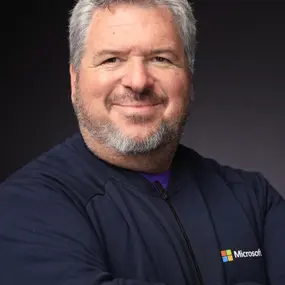
Steve is the Chief Imagination Officer of the STEAM based NGO, Living Maths. He teaches a few thousand students weekly around the world. He feels that it is his destiny to spread the joy of mathematics, science, space, engineering, edtech, numbers, problem solving and creative thinking to anyone who is willing to listen and even to those who are not. He is a 2020 recipient of the Global Teacher Award, 2 x Tedx speaker, Kahoot Ambassador and verified educator, Microsoft Innovative Educator Expert, A Space Foundation International Teacher Liaison, recipient of the World Space Week Award 2024 for STEM and Science Educators for Climate Education, Head of PR for ASTEMISA, the outreach officer for the annual Humans to the Moon and Mars Summit, Coordinator of one of the South Africa’s largest maths Olympiads, Convenor of the Irish Kangaroo Maths Competition and chief organiser of the annual Living Maths Space Tour. Steve was featured on the Dec 2006 cover of Time Magazine, he knows Karate, Ju-jitsu and 2 other Japanese words, he has a black belt in buffet and partial arts and he currently holds the national record for the low jump.