Episode 83: Starting AI Conversation with Implementation

Steve and Sophie welcome Tina Nunez, an educational technology and instructional resource specialist with Albuquerque Public Schools, Google Certified Innovator, Apple Learning Coach, ISTE Certified Educator, MagicSchool AI Ambassador, conference speaker, and co-host of *Innovators Unscripted*.
Tina traces her unconventional path into education, from earning a business management degree and working in hospitality to spending 16 years teaching fourth and fifth grade. She explains how experimentation in the classroom led to coaching and EdTech—and how stepping into that role just before the COVID-19 shutdown accelerated her learning overnight.
The conversation moves beyond individual tools to examine the bigger instructional questions underneath educational technology. The group discusses why passive digital assignments deserve criticism, but argues that eliminating technology altogether also removes opportunities for accessibility, student agency, creativity, and real-world skill development.
Key topics
- Tina’s journey from hospitality to elementary teaching and educational technology
- Supporting a large district during the shift to remote learning
- Starting AI professional learning with real teacher pain points
- The rise of the educational “techlash”
- Why screen time and purposeful technology use are not the same thing
- The difference between consuming and creating with technology
- How pedagogy determines whether a digital tool adds value
- Using classroom technology to increase opportunities to respond
- Universal design for learning and built-in accessibility tools
- Why accommodations can benefit every learner, not only students with diagnoses
- Teacher confidence, fear of technology, and professional learning
- Preparing students for the world they actually live in
- The need for a digital-proficiency scope and sequence
- Teaching transferable skills instead of chasing individual tools
- Practical and playful uses of AI
What does meaningful technology use actually look like in real classrooms—and what gets lost when the response to screen time is simply to remove the screens?
In Episode 83, Steve and Sophie sit down with educational technology and instructional resource specialist Tina Nunez of Albuquerque Public Schools. Drawing on more than 21 years in education, Tina shares how an unexpected path from hospitality to teaching led to classroom innovation, district-wide professional learning, and a deep commitment to practical, student-centered technology.
Together, they unpack the growing “techlash” in education, the difference between passive screen time and purposeful learning, and why strong pedagogy—not the presence or absence of a device—should guide instructional decisions. They also explore universal design for learning, accessibility, AI, teacher confidence, and the digital-proficiency skills students need to become capable creators rather than passive consumers.
This honest, energetic conversation cuts through the EdTech noise to ask a better question: What tools, skills, and learning experiences will help real students and educators thrive tomorrow?
Want to learn from Tina? Here are the links:
Hosts: Steve & Sophie (00:29)
Hey friends, welcome back to Under the Hat Podcast. Today is episode 83. I'm Steve Martinez, a former social science teacher, ed tech practitioner, and forever student of how we make classroom work. As always, I'm joined in person, mind you, by the lovely
Hosts: Steve & Sophie (00:50)
Young's, a former middle school math and science teacher.
Hosts: Steve & Sophie (00:55)
Instructional coach and relentless advocate for universal design for learning. It is fantastic to be here, Steve. Yes, absolutely. it is great to have you here, Sophie. and I'm really looking forward to where we're going today. Me too! but before we get into the guest, I have a question for you to put you under the hat, Steve.
Hosts: Steve & Sophie (01:25)
What's it like to be in person? It's really great. it's really exciting. And and so I I I don't know if we have like openly talked about your most recent professional journey, which led us to creating basically a like low-key podcast studio here. but yeah, so you you being in us us being in person here, running episodes like this, this will be a
Hosts: Steve & Sophie (01:55)
Yes. So if you're watching, you'll get to see the evolution of our podcast studio. and if you're only listening, then you'll just get to hear about it. but I as if you've been following for a while, everyone knows that I Steve and I met because we were like actually officially met. We've been on socials and knew each other forever, but like actually officially met because we both worked at an ed tech company Cami together.
Hosts: Steve & Sophie (02:22)
And then we started doing the podcast together. And now then we are now away from Kami on post-cami adventures. and my new professional journey is back in the coaching role. I am an instructional coach in a small district in California. So as you guys knew, I was in West Virginia and now I'm in California.
Hosts: Steve & Sophie (02:50)
I was looking into moving into maybe like North Carolina or even Colorado, but this is the job that I like the most and that's where I landed. So yay! I'm here in California and now Steve and I get to do the podcast together in person. Yeah. Yeah. and so this has been this has been a lot of fun like trying, you know, planning everything. Like the mic is different, the sound is different, everything's different. and and so I just really appreciate
Hosts: Steve & Sophie (03:20)
You being in state, in house, and being able to do the show in this way. It makes scheduling things a lot easier, not having to think about time zones. Time zones, yes. and and echo the the memories of New Zealand time difference to to when we're working over at Cami. Yes. Yeah, absolutely. Okay, cool. Yeah. So friends, we're super excited. you know, this is our first
Hosts: Steve & Sophie (03:50)
episode in this type of format. So you'll be you'll be getting a lot more of that. But Sophie, let's let's talk a little bit about who we're talking with today and what we're talking about. The vibes are right. And what's top of mind for us today is cutting right through the EdTech noise to find what actually works when we're standing in front of real students in real classrooms. No fluff, no toxic positivity, just tools that solve real daily friction.
Hosts: Steve & Sophie (04:17)
Our guest today has spent over two decades in the trenches doing exactly that. Christina or Tina, as we love to call her. Nunez is an educational technology and instructional resource specialist with Albuquerque Public Schools. She brings 21 plus years of experience, a relentless drive for practical student engagement, and a resume loaded with serious sparkle.
Hosts: Steve & Sophie (04:42)
She has earned badges and certificates as a Google certified innovator, Apple Learning Coach, ISTE certified educator, and Magic School AI Ambassador. Her mission is designing district-wide learning across AI, Google and Apple tools built for immediate next-day classroom implementation. And she's also a co-host of the Innovators Unscript Ed podcast, Amplifying Practical Educator Voices Across the Globe.
Hosts: Steve & Sophie (05:11)
I'm super excited to invite to welcome Tina here to the stage. Hi Tina!
Tina Nunez (05:53)
Hello. Thank you for inviting me. I was
Hosts: Steve & Sophie (05:54)
Yeah.
Tina Nunez (05:56)
like, man, you made me sound really important. Now that's slightly intimidating, but imposter said real. We're just gonna run with it.
Hosts: Steve & Sophie (06:04)
That
Hosts: Steve & Sophie (06:05)
is you, lady. You are featured speaker. You are that is you. featured speaker at F E T C
Tina Nunez (06:15)
Yes.
Hosts: Steve & Sophie (06:16)
And Is there another one that you're being you're a featured speaker at or was that me just playing?
Tina Nunez (06:24)
Right
Tina Nunez (06:24)
now it's F-E-T-C. I've spoken just at a lot of conferences and stuff, but
Hosts: Steve & Sophie (06:27)
Yes.
Tina Nunez (06:28)
now I have that tag is featured, so that makes it cooler.
Hosts: Steve & Sophie (06:32)
Yes. But you have also spoken at like ISTI and lots of other like bigger conferences.
Tina Nunez (06:37)
Yes.
Hosts: Steve & Sophie (06:38)
Yes. Okay, well how about we just dive in and do like a little bit of your educational journey for people who aren't fangirls like I am and know things.
Tina Nunez (06:46)
Yeah.
Tina Nunez (06:48)
So as far as an educational journey, hmm, okay, so let me start out really early and say I don't know about your guys' history, and maybe I I'm gonna throw some questions back at you because I'm used to being the podcast asker and not the answer. do you have any family members who are in education?
Hosts: Steve & Sophie (07:08)
Yes. Yes.
Tina Nunez (07:09)
Okay, so that's like the thing that happens, right? You have a parent or someone you know who's in education. That was my mom, and we kept having conversations about how I desperately didn't want to do this. so my bachelor's
Hosts: Steve & Sophie (07:21)
Yeah.
Tina Nunez (07:22)
degree is actually in business management with an emphasis on hotels and hospitality and restaurants. So
Hosts: Steve & Sophie (07:32)
Nice.
Tina Nunez (07:33)
that is that is my background. I went to school for that. While at my mother's school, I was a substitute with.
Tina Nunez (07:39)
principal and the principal there just kept saying you're such a natural at being a teacher you'd be so great at it you're gonna be wonderful at it and I was like no I don't want to do that and then I finished college started working in hotels and restaurants
Tina Nunez (07:55)
I realized I hadn't seen my husband for like five or six days straight. And so I went back to my mom's school with the principal and I said, Yeah, I think you were right. And so she pulls out of this drawer like an application to do a secondary program. And she already wrote me a letter of recommendation and wrote me information about how to do it. And she's well, go get your master's degree. Here you go. that's you should be in education. So then I switched gears, went to become a teacher. I was a fourth and fifth grade teacher for like 16 years before.
Tina Nunez (08:24)
I switched over to ed tech.
Tina Nunez (08:28)
And now we're like Office of Educational Resources, which is Ed Tech Plus Professional Development and Designing and Incorporating Professional Development. So that's like kind of how I got into it. for fourth and fifth grade, I was always that I don't want to say I'm a crazy teacher, but I was always that teacher who like wanted to incorporate something different or go outside the box. Or I was like, the curriculum's a great starting point. and so my the leadership.
Tina Nunez (08:58)
of my school, like cluster feeder position, enjoyed that and said, hey, you should start training other teachers on some ideas you're doing and stuff that you like doing. So then I started getting that more in front of just organically people. And then that morphed into, hey, there's an educational technology department. You should apply. And then that kind of went off into what what that became.
Tina Nunez (09:26)
So I was like, Do I keep going? What do you want
Hosts: Steve & Sophie (09:29)
No, you're good,
Hosts: Steve & Sophie (09:30)
you're good. and there it just on it's just connecting parallels between my journey and and yours where like I was that teacher that always wanted I wanted it to be more accessible. I wanted it to be easier for the students and for me. I wanted it to so like I was always incorporating the technology any way that I could and trying to figure out better ways to make things just just easier. like with grading and
Hosts: Steve & Sophie (09:56)
feedback and making sure that the absent students got the work that they needed. Just the little it started with those little things and then I was training everybody else while also being a teacher. And then they're like, Why don't you go be a coach? And I like
Tina Nunez (10:11)
And you're kind of like, well, that seems like a good idea. I when when I became a coach, it was I learned a lot of things very, very quickly because I had this great idea of I will go down this path because my mom had cancer and I couldn't go to all these appointments with her because it kind of sucks in this whole education realm, right? That you can't
Tina Nunez (10:36)
like leave without having sub plans and you have to have a plan and then maybe you don't get a sub that day. And so I was like, you know what? I I wanna go outside of a classroom, do something a little bit different. And it'll be easier to do. And that was like the end of 2019 I did that. And then it was 2020 and COVID hit. And a good majority of my team at the time that was a team quit. And so it was like me and one other person.
Tina Nunez (11:04)
for our district and we got thrown in to needing to know a lot of things for ed tech because our district was one of the districts that shut down. Like we closed everything we didn't do in person. We were just everything is virtual, everything is digital. Some teachers had never had a Chromebook. They didn't even know what a Chromebook was. students didn't either
Hosts: Steve & Sophie (11:28)
Mm-hmm.
Tina Nunez (11:29)
and so it was it was a very
Hosts: Steve & Sophie (11:31)
Wait, there were
Tina Nunez (11:32)
quick
Hosts: Steve & Sophie (11:33)
there were districts that didn't shut down? I just thought that was a thing.
Tina Nunez (11:36)
I think there was
Tina Nunez (11:38)
a few of that didn't. Or at least we shut down for a long time. Like we shut down for like a whole year and
Hosts: Steve & Sophie (11:43)
What state are you in, Tina?
Tina Nunez (11:44)
then longer. New Mexico.
Hosts: Steve & Sophie (11:48)
In California. In West Virginia. We shut down. Everything shut down. Everything shut down. So that this is this is interesting. So yes, that's fascinating. And you were
Tina Nunez (11:58)
Ha.
Hosts: Steve & Sophie (11:59)
in you were in this same district, Albuquerque, when in two thousand twenty.
Tina Nunez (12:05)
Yes. I've always I grew up in Albuquerque public schools. I went there, I stayed there. This is my space. If you've ever seen Breaking Bad. Welcome. No. we can. Well we can talk
Hosts: Steve & Sophie (12:13)
my. Can we can we talk about that later? Yeah, okay. And
Tina Nunez (12:20)
about that. That'll be fun. I'm like
Tina Nunez (12:24)
Can go there. I feel more comfortable
Hosts: Steve & Sophie (12:25)
Yeah.
Tina Nunez (12:26)
with that. No, but I I thought it would be easy, and then it turned out to be like, we need to do this like live stream really quick. I had never been on a live stream. I'm like, I don't know how this thing works, you know. And they're like, we're gonna go over Google Classroom. I was like, okay, I've learned everything I could about Google Classroom, and then they're on this live stream, and we have just to give a perspective of our district, we have like 150 schools, like 6,000 teachers.
Tina Nunez (12:51)
So they're like 6,000 teachers might get on. I was like, all right, I'm ready. The number kept going up and up and up. And it's like 27,000 people are on this live stream. And I realized because it's a live stream, like anybody can come on. So I'm, you know, doing all these things and talking about Google Classroom. And then afterwards, I was like, email me if you have any questions. So I go back to my email. Okay, so yes,
Hosts: Steve & Sophie (13:13)
Nope. snap. You should not have said that. You should not have said that.
Tina Nunez (13:18)
you understand now that you've done.
Tina Nunez (13:21)
a live stream or a podcast, you don't just like blurt out, here's my
Hosts: Steve & Sophie (13:24)
Mm-hmm.
Tina Nunez (13:24)
email or here's who I am. I came back to like
Hosts: Steve & Sophie (13:27)
Yeah.
Tina Nunez (13:27)
six thousand emails. I kept answering all of them and then afterwards I was like, wait, this person isn't in my district. Hold on, this person isn't someone who works for us. But
Tina Nunez (13:38)
Because of that, I actually had a couple like well like a handful of people reach out and be like, I know Google Classroom. I know about Google Classroom. there's this really cool thing called ISTI, you should check it out. There's and so that's actually where some of the connections of people happened is because I just blurted out on a live stream.
Tina Nunez (14:00)
I was and contact me. And and then I started
Hosts: Steve & Sophie (14:03)
Yeah.
Tina Nunez (14:04)
more down that ed tech path because I was like, if I'm doing this with a smaller team, I mean we ended up hiring more people, which was good. I was like, I gotta like start brainstorming and learning and getting certified and figuring all this stuff out. So it was like a really quick sort of space, but I enjoyed it and I continue to do that now. So
Hosts: Steve & Sophie (14:25)
So it is that that that time was interesting if you're somebody that was into ed tech like yourself. Well all three of us, right? Like we were and it's it's kind of interesting to see when it's convenient we're useful and helpful and people want to listen and learn more, right? And so before that moment, I was kind of and I don't know how.
Hosts: Steve & Sophie (14:54)
Many folks listened to my show that taught with me at my first school. But like it felt very isolating to be like I felt like I was the only only one guru out of a hundred teachers at one school. Right. And there were others like me across the district, right? So Tina, like my district's kind of like yours. It's like it's on the larger side, right? So it's like you don't get to know everyone. but the moment the pandemic hit.
Hosts: Steve & Sophie (15:25)
like everyone was going through my door. People were like just needing help. And I was just a teacher. I wasn't even a coach. Right. and and so but now now the the narrative is like X on the technology, right? And the screen time. It's like this we've we I think we talked about this last week on the show with Steve Sherman. But like the there's like a dichotomy often.
Hosts: Steve & Sophie (15:51)
with certain with a lot of things. And right now EdTech's one of them is just like we're like, we needed it during the pandemic, but now let's get rid of it entirely, as if it has to be a this or that. and so kind of hearing you like you kind of sparked a memory of just like how needed I felt that it was around that time. And then I went and worked at Cami and like that's a whole different life. But like but like now it's like that's not needed or the narrative is shifted.
Hosts: Steve & Sophie (16:21)
So like this information that we have is now less important.
Hosts: Steve & Sophie (16:28)
For a lot of folks.
Tina Nunez (16:31)
I I think that's that idea of like there's a what's it called tech clash? Like the tech clash is happening, right?
Hosts: Steve & Sophie (16:38)
Yeah.
Tina Nunez (16:39)
we we had that at the beginning with AI. I was one of the main advocates for AI at our district. I we had our little team, like I mentioned before, and at that point we had it bigger than it was.
Hosts: Steve & Sophie (16:54)
Yeah.
Tina Nunez (16:54)
I think that was like four or five years ago.
Tina Nunez (16:57)
And I started realizing like teachers don't really want to know what the tool is. They just want to know like what can it help me do? Like, what can it help me solve? Right. And
Hosts: Steve & Sophie (17:08)
What problem is this solving? Yes.
Tina Nunez (17:10)
so we went down this like grassroots sort of path of asking all of these.
Tina Nunez (17:17)
High school teachers, what are the things you hate doing the absolute most? Like just survey you and tell me things that you can't stand. certain things we can't get rid of, like their principals or the system or how much money you make. but we can go back and say, well, you hate writing lesson plans you know you're never gonna go back to.
Tina Nunez (17:38)
So how can you write that specifically for your class to help you do something? Like it's a practical entry point, right? What can we help take off your plate? And I really think
Hosts: Steve & Sophie (17:47)
Mm-hmm.
Tina Nunez (17:48)
that that was important in in certain aspects. And I think one of the issues, and I'm gonna take blame on that for our district, is we got the teachers and the instructors and the educators and leaders kind of hyped up for AI, but we never made that connection of how it goes back to students.
Tina Nunez (18:08)
And so it's kind of like, well, I have this in my back pocket, but now students, the most important thing for students is go back to pencil and paper.
Tina Nunez (18:15)
And on one hand, I don't necessarily argue with that. Like I have a thousand stickies and like notes and papers and things that I use. because that's important. I think handwriting is important. I think reading an actual physical book is important, but I don't think that means you have to take off
Hosts: Steve & Sophie (18:33)
Yeah.
Tina Nunez (18:33)
those digital skills. And in fact, I think like that's where my entire passion
Hosts: Steve & Sophie (18:37)
Yeah.
Tina Nunez (18:38)
and my heart lies is this idea that there's a difference between like AI digital literacy, there's a difference between the hype.
Tina Nunez (18:45)
That is like computer science and what we're doing. I want like digital confidence and like transferable skills, right? Like I want I want I want
Hosts: Steve & Sophie (18:53)
Yes.
Tina Nunez (18:55)
students to learn tech. And so let's let's go back. I'll talk a little bit about me now again because I mean I'm on here. I can keep talking about me. But all right. So
Hosts: Steve & Sophie (19:05)
It is the Tina show.
Tina Nunez (19:07)
There I am now. No, okay. So
Tina Nunez (19:09)
when I was younger I went to a technology magnet school. I it's
Hosts: Steve & Sophie (19:15)
Mm. Yeah.
Tina Nunez (19:17)
it's it's this space where it was like we're gonna teach you how to learn technology. Now I already said how many years I've taught, so now we get to get into how like old I am.
Tina Nunez (19:27)
But I was back in the day when they had like the IBM computer and you had like the floppy disk that like, you know, was bendable. Like, ooh, that's amazing, right? To get to the
Hosts: Steve & Sophie (19:34)
Yes. Re reader rabbit.
Tina Nunez (19:37)
IBM computer.
Tina Nunez (19:39)
But our elementary school was all about technology, but there wasn't a ton of stuff to do in technology. It was like, how can you type? Can you understand like how to minimally code something? Can you, you know, do these small little steps?
Tina Nunez (19:57)
in that space, but I started learning how to type in kindergarten. Like I learned like the first row in kindergarten, I learned the other ones. And then I learned how to it was where in the do you remember where in the world is Carmen San Diego? Okay, I was highly
Hosts: Steve & Sophie (20:10)
Yes. Yes. Yes.
Tina Nunez (20:12)
competitive and that was like the thing is you could I'm still so mad about it. Yes. Right.
Hosts: Steve & Sophie (20:18)
'Cause it was a game. It was the game, right? But it was also a TV
Hosts: Steve & Sophie (20:21)
show that I may watched. That you may have watched.
Tina Nunez (20:23)
Yes.
Tina Nunez (20:25)
But it was like a game that you could do typing and as you got up to certain levels you could win. So like in kindergarten, I beat out like K one two. And then it was like, Okay, we'll let her do three, four, five. And so like I beat out that group. And at the very end by fifth grade, if you knew all your keys without looking at it and you could do like eighty word accuracy or something crazy, you got to meet Carmen San Diego. Well it was like a lady dressed up in a jacket and I could totally tell it was a Carmen San Diego and I was like, Mmm. But I did learn how to type. So
Tina Nunez (20:55)
There was the
Hosts: Steve & Sophie (20:56)
Ha ha ha.
Tina Nunez (20:56)
that part. but in middle school, I went to middle school and all of a sudden I realized all the students who didn't come from the elementary school that I came from were just learning how to type. They were just starting on typewriters, like old school typewriters where you had to like move it back. Like not even the cool
Hosts: Steve & Sophie (21:15)
Mm-hmm.
Tina Nunez (21:16)
ones where you could like erase the the thing and it would like pick up the ink. People who are younger have no idea what I'm talking about.
Hosts: Steve & Sophie (21:22)
Have no idea. Yeah, no, I remember watching my mom type on a typewriter
Hosts: Steve & Sophie (21:25)
and being flabbergasted when she borrowed my uncle's and there was like a digital preview before it actually typed. Because yes. That was like a fancy one.
Tina Nunez (21:32)
Yeah, it was like we it w it was like Yeah, we
Tina Nunez (21:37)
had fancy typewriters, but I I passed all of the typewriting requirements like the first day. And they were like, what do we do with you? So they offered to bust me to the high school.
Tina Nunez (21:50)
And at the high school for middle school, I could take like computer stuff. Like it wasn't even like a class. It was like, well, we'll have like a computer independent study, but we only have the computers in high school. And so they started teaching me Microsoft. And so they were like, you need to know. And so I had like a small classroom of students who were interested in it, but we learned how to make a presentation. We learned how to configure a Word doc. We learned how to do Excel then, like Excel formulas.
Tina Nunez (22:20)
wheel. So I'm doing all this in middle school.
Tina Nunez (22:23)
And then I go to high school and they're like, what do you want to do? And I was like, some sort of tech class. And they were like, you took everything. So then they offered to have me do like a space of college for the tech part. And so then I was learning how to like code little things or I was learning how to make I can't even remember what it was. It honestly that was kind of a joke class. Like they didn't know what to do with me. But I was like, whatever. So then when I went to college, all of a sudden people are like, We have to type a paper. We have to type a four page paper.
Tina Nunez (22:53)
That's gonna take forever. That's horrible. And I was like, dude, I can knock this out in like a minute. I could type so fast. I started getting like side jobs for courts. So in courts, you need to transcribe, like when people say stuff, so I would do that. I would have people pay me to write their papers. just stupid little things like that. But the whole reason I brought up the fact that I did that going young and up.
Tina Nunez (23:20)
is by the time I was in college, I would call myself like digitally fluent, right? Like I went beyond just knowing that a word doc exists. Like I could spout out a whole bunch of different formulas. I could do a lot of stuff with technology. I wasn't afraid to push the button, right? I think half the time it's just getting someone not afraid to push the button. because you think you're gonna break it. But
Hosts: Steve & Sophie (23:44)
Mm-hmm.
Tina Nunez (23:44)
I I did that space and it gave me so many perks.
Tina Nunez (23:49)
And I don't even know if perks is the right word. Like it helped me like in the capacity of everything that I was doing when I got out of college. And I was like, man, I've got a leg up. I really want my well, it didn't make that connection then because when I went to a different degree, but after I did that, I was like, I want my students to make this connection. I was like, I want my students to start doing typing. Typing wasn't a thing, but I had my students do it. I taught them how to set up and structure a Word document. fourth and fifth graders.
Tina Nunez (24:19)
I was teaching them the like at least how to make a sum or how to start beginning a formula in like Google Sheets. because we were Google with Chromebooks and stuff. But they
Hosts: Steve & Sophie (24:27)
Mm.
Tina Nunez (24:30)
would go to middle school and they'd be like, my middle school teacher says I'm not allowed to have computer because I'm cheating. So my whole thing is with the tech lash stuff. I came from a space like 20 years ago of
Tina Nunez (24:44)
digital proficiency and being like students need to know this to all of a sudden having this tech lash that they're not even upset at AI, they're upset at technology in general, and they're like, no, they shouldn't have it because they get enough screen time. And I need them to understand that time on a phone is not the same as learning how to use a machine. So or a computer.
Hosts: Steve & Sophie (25:09)
This is this is more of
Hosts: Steve & Sophie (25:11)
a this is more of a pedological conversation, right? Like it's not whether
Tina Nunez (25:14)
Yes.
Hosts: Steve & Sophie (25:17)
you're using the screen or not. It's the design that goes underneath it all. The purpose of the screen. Yes. And and and and and this whole like tech lash, as you know, like the the tech lash, it's spreading fast and across different can I call them subgroups?
Hosts: Steve & Sophie (25:39)
of educators
Tina Nunez (25:39)
Yeah.
Hosts: Steve & Sophie (25:40)
because I'm starting to see even with my students who are my students are now pre-service teachers, right? So they're starting to say things that sound like what a veteran would say because of the influence that you know they're in the sch in the schools with them, right? With the veterans and not that it's all veterans. I'm not trying to say that, but like just the general tech lash that that we're seeing. I would say
Hosts: Steve & Sophie (26:07)
The more traditional teachers. The more traditional teachers, yeah. And so the the what I'm starting to see is like I had a math teacher the the other night in in a class and he was just like, You were showing him snorkel, right? I was showing him snorkel. Fantastic tool. And but even before we even talked about snorkel, I think I mentioned this to you, is he was talking about like, yeah, like I I have to get them to like put away their Chromebooks. It's a constant he's like
Hosts: Steve & Sophie (26:37)
I have to get them to put away the phones and the Chromebooks now. And so that's an interesting thing too. But I showed them snorkel and I did the just because it's it was a virtual class, right? So I didn't have them record themselves. I set it up where it was like like whiteboard only. So they're only typing. And I I went through the whole thing with them and he was like, yeah, I would never, I would I just wouldn't use this. I wouldn't use this. I'm like
Hosts: Steve & Sophie (27:07)
You know this is made by math teachers, right? And he's like, What? I was like, Yeah, like I didn't do this for you, but you can turn on the audio where students can explain every step they're taking in a math problem. And then the AI is then capturing that and doing feedback on the steps. And he was like, well, that's different. And it's
Tina Nunez (27:29)
Yeah.
Hosts: Steve & Sophie (27:30)
because there there's not there's not enough like outside of the box thinking.
Hosts: Steve & Sophie (27:37)
with the tech. Like people go into it with tech is like, like a babysitter, right? To do what what's the what's the what's the math tool that's being like kind of given a lot of shade right now? In my district? Just in general. Like it's it's like a like kids are just performing math stuff and then the teacher gets like a lot of analytics. IXL. it's something like IXL. exact.
Tina Nunez (28:01)
You're probably talking about a mirror. Well,
Tina Nunez (28:03)
at least in our area a mirror's blowing up.
Hosts: Steve & Sophie (28:05)
Okay. Well it's like like people
Hosts: Steve & Sophie (28:07)
people think of it as like, the students just passively doing something while the teacher's doing nothing. Well, and
Tina Nunez (28:13)
Mm-hmm.
Hosts: Steve & Sophie (28:13)
like the teach or like even what makes it worse is like the kids are on IXL in the arena or they're on exact path doing their path, or they're on what was yours?
Tina Nunez (28:23)
I'm right.
Hosts: Steve & Sophie (28:24)
t Amira doing like this personalized learning journey that's on the device and the teacher isn't engaging even with the data. They're not
Hosts: Steve & Sophie (28:34)
wandering around the room seeing what the students are doing. They're not monitoring and using that data to inform instruction to pull small groups to do anything else. They're over there cutting up the next activity or grading other things. And so that's literally like you guys go and learn on your own and I'm gonna be over here doing disengaged with you completely and totally. And that's where the problem is. And that's I ready. Yeah.
Tina Nunez (29:04)
Yes,
Tina Nunez (29:04)
yes. Tell me too.
Hosts: Steve & Sophie (29:05)
that's the one that's getting a lot of backlash,
Hosts: Steve & Sophie (29:06)
yes. so and then but and that's where the problem is, and that's what kids go home and tell their parents. We just we were just playing on the devices all day. And when you have an environment where it's like that, where the teacher is completely disengaged, the students aren't sometimes are not even trying. They're just clicking and playing the game to move on. They're just, they're not even.
Hosts: Steve & Sophie (29:33)
They get it wrong. They don't even read the instructions or watch the video or listen to the feedback. They just move on just so they can like move to the next thing and just move on. And so you're getting crap data. You're getting low engagement in their learning journey. You're getting low thought thinking processes, and your teachers aren't even using the data to do anything with it. So I mean, I get it. I don't want that for my child either. But that's not all the tech.
Hosts: Steve & Sophie (30:02)
that you see. And if that but that if that is the lens that you look that people are looking through is this passive learning without any active thinking. You can get that with pencil and paper too. It's called copying notes from the slides. Verbatim. Well I
Tina Nunez (30:20)
Yep.
Hosts: Steve & Sophie (30:22)
I I love how John Karippa puts it. Cause he he just did a thing recently where he he's like gonna be a keynote at SDQ, right? And so he's talking about
Hosts: Steve & Sophie (30:33)
He well, he's he's talking about how like, okay, you want to get rid of all the screens. What are you gonna replace it with then? Like, you're gonna go back to packets. You're gonna go back to the things that didn't work in the first place. Yes. These gaps we have in education, they're not new because of the AI. They're not new because of the technology. They're the same. It's the same thing. It's the same thing. It's the same. Can I say this? It's the same crap that we've had this whole time.
Hosts: Steve & Sophie (31:02)
It just now people more visibly and more clearly can like, I it's a it's a scapegoat. Like I like that's that's why, right? That's why. But like it shouldn't be a conversation of screen, no screen. It's more of like a deeper dive into our instructional design. Good pedagogy. It's the pedagogy, right? Yeah. And we're we're preaching to the choir here with this group, but yeah.
Hosts: Steve & Sophie (31:31)
but yeah, so
Tina Nunez (31:31)
Well,
Tina Nunez (31:33)
you might be surprised. Some like you said, some of those veteran teachers are they believe that I mean I've had so many people like get in some pretty heated conversations with me about cursive, and how we should spend a really long time doing cursive. And I'm like, I agree we should do some cursive, but you don't need like a 45 minute block.
Tina Nunez (31:59)
of your instructional day
Hosts: Steve & Sophie (31:59)
Just on cursive.
Tina Nunez (32:00)
to have them do cursive and they're like, Well it's so much better than being on a computer doing, like you said, one of the tests that you were talking about. And I I'm like, I agree with you. And they're like, well you said you want computers. And I go, I think
Tina Nunez (32:15)
I think the situation is true that if you have a limited of time you want to allow a student to be on a computer, why are we sticking them on a computer to do an assessment where they're not learning anything about how to use this Chromebook or this device that they have? I think it it turns into a little bit of a
Tina Nunez (32:36)
worry from teachers sometimes that they're like, well it's gonna disconnect the student from me so we can't do anything. I'm not I'm like not if you're teaching them how to use it. there's also a lot of teachers who are talking about like well they're gonna get addicted to this Chromebook. last time I checked they didn't go home and be like well they might get on a Chromebook like throw on YouTube or something but like they'll they're not gonna go to a Chromebook and be like I'm gonna go home and build out a sheet that has formulas
Tina Nunez (33:07)
That's not what they're gonna want to get addicted to. So it's it's this idea of
Hosts: Steve & Sophie (33:11)
I'm gonna go type in a Word document. man.
Tina Nunez (33:15)
I'm gonna I'm gonna format something. Okay, but if
Hosts: Steve & Sophie (33:18)
Yeah.
Tina Nunez (33:23)
but but okay, so like I said, I like
Hosts: Steve & Sophie (33:23)
Okay, I do get excited about that though.
Tina Nunez (33:26)
I like now it's gonna come back as like some weird inside joke, but if it
Tina Nunez (33:33)
Okay, so I work with mentor teachers that work with beginning teachers, and we kind of have this conversation. So one of the questions I ask beginning teachers is think back to one of your absolute favorite teachers. Just think about your favorite teacher for like a minute. And now think about one of those things that teacher did. That you're like, this is that moment that made that teacher killer, and they were awesome. Like, what would that have been for you?
Hosts: Steve & Sophie (34:05)
For for me it was more of like a personal, like personal level. Like it wasn't even instruction. It was
Hosts: Steve & Sophie (34:16)
my father had left. it was around like high schoolish, right? And like that teacher was just there for a really difficult time. so for me it's like a like a it was more like a personal like knowing that there was someone there. It happened to be a teacher.
Hosts: Steve & Sophie (34:43)
Fr see, and I kinda hate this question because I never really had a favorite teacher. And I didn't, I never really had a favorite teacher. but I did have favorite like key memories in different classrooms.
Hosts: Steve & Sophie (34:59)
And those key memories usually come back to things that were related and that I was super interested in. So I remember my high school psychology class and us analyzing our signatures. I remember that vividly. I remember in seventh grade math class, we built we were building a 3D model, not with 3D printers, of like
Hosts: Steve & Sophie (35:26)
a house and we made the blueprint of the floor and then we build it with like the little like everything to scale and that was pr ratios and proportions are big and stuff. Great. So like we were building everything to scale of this house. I also remember in that class, all of us chose a stock and then we tracked our stocks progress in the newspaper. And my best friends stock their company merged and her
Hosts: Steve & Sophie (35:56)
value like skyrocketed and it was just like a really cool conversation that we got to have in class because of that type of stuff. And all of these things were not tech, but could have been elevated now knowing what I know now and having access to what we have access now could have been elevated exponentially because of like using technology in the classroom. but none of it needed tech and it wasn't anything to do with
Hosts: Steve & Sophie (36:26)
It was everything to do with like what I was doing with it and how it made me feel.
Tina Nunez (36:32)
Right. So this is what I love having this conversation because I I I do trainings on different things other than just technology. But the idea of building relationships is huge, right? So if you're saying I'm building relationships and I'm trying to get to know a student, a lot of times that relationship, which is crazy because we don't necessarily need them to have their phone. But do you know how many times you can build a relationship or have a conversation if you're like you're into this meme? I know what like the like cool little thing.
Tina Nunez (37:02)
is now I'm trying to remember when they were talking about recently and I didn't know what it meant. Yes, like right? Like you
Hosts: Steve & Sophie (37:07)
If you know what skibbity means.
Tina Nunez (37:11)
don't use it because then you look stupid, but you know what it means and then you're like okay so on the next activity you do
Tina Nunez (37:18)
I want you to add skibbity and then you can make a quick video with it using like Google Vids or something, because it feels like you're making your own TikTok video, right? The other idea that Sophie you were talking about is you want something that is a real world's relevance. Like you want it to have something that pertains and is true for the real world. And honestly, part of that now is.
Tina Nunez (37:43)
Like now, okay, so back then, and that was my class too, so I was just laughing about it, where it was like we had to track it in the newspaper, right? Well, now you're probably not gonna track the stocks in the newspaper much. You're gonna track them on a computer, but you're showing students like here's how you can use a device or something in the world world, but it's in conjunction with tracking your own stock or doing something on paper. the other thing I usually get from teachers when I talk to them is I want something more engaging, right? I want something engaging. So you want to give students
Tina Nunez (38:13)
An opportunity to respond. And regardless of how much you have on a piece of paper with a pencil, you only can give them what you as the teacher can handle for all of those opportunities to respond. So to show that element of things, I'll usually have all the students get on like Gimkit. It's your content, it's your information, it's what you're using. But now the students are playing this game, and then at the end of it, after like 10 minutes, I'm like, your students have 1200 opportunities to respond.
Tina Nunez (38:43)
They were that engaged over that amount of time, but I think the conversation needs to switch from here's a Chromebook, you're on it to do a test, versus here's a Chromebook, we should be teaching you a skill for how to use it, or how you can incorporate those into good teaching pedagogy and things that like make teaching amazing, right? And the idea is the tool is going to change, AI is gonna change, the next big thing's gonna change, but the skills that are
Tina Nunez (39:13)
underneath it shouldn't change. Those are those 21st century skills. Those are those and and I wish we could talk about like digital skills as well, which we haven't had that conversation as much. But like all of those skills shouldn't change regardless of having a teacher 30 years ago versus having one now.
Hosts: Steve & Sophie (39:54)
So the the I'm I'm glad you brought up the digital skills because I feel like all of us need that support. Because I I remember it was around the pandemic, I think, where like I had teachers tell me, they're like, it's the teach it's us teachers that need are gonna need all the help. The kids are gonna be fine. And in my head, I'm like, no. The the
Hosts: Steve & Sophie (40:24)
The there's a lot of gaps with our youth within tech skills. And I said it during this time, I think it still holds true, where they they're really good at being consumers of the tech. But getting them to produce with tech, get out of here. They have long ways to go with that, right? And so it's true for our youth, it's true for teachers.
Hosts: Steve & Sophie (40:53)
It's true for
Hosts: Steve & Sophie (40:57)
My mom. Like leaders,
Tina Nunez (40:59)
Yeah.
Hosts: Steve & Sophie (40:59)
the general public. And it's it's it's interesting because they'll if it wasn't so easy to cheat with AI, they wouldn't do it. Like if they already knew how to do it on their own, they wouldn't seek out other ways to to do it, type of thing. So even when it comes to like building a presentation, how many we were communicating, Tina, in the EduGuardian chat where it's like
Hosts: Steve & Sophie (41:26)
yeah, all the administrators are now using like Chat GPT to make their slides pretty and they all look the same.
Tina Nunez (41:32)
Yep. They'll look exactly the same.
Hosts: Steve & Sophie (41:33)
Like they all look
Hosts: Steve & Sophie (41:35)
the same. But if they knew how to do the basic things such as using a theme inside of Google Slides, then they could have good slides without all the extra distractions that AI throws in there because it doesn't notice like all the things that it needs to not include. it's just there's a whole there's a whole lot of
Hosts: Steve & Sophie (42:04)
Like there's still that human piece that needs to be included. Like, does that look okay? Is that accessible? Is the contrast good? I filled out a form that is like in my emergency contact for one of the elementary schools that I support. The part where I was supposed to sign my name was dark navy blue.
Hosts: Steve & Sophie (42:25)
The design put the signature box as dark navy, like a navy blue. You couldn't see my signature. You couldn't see my signature. How did you know if I signed it or not? so it was just one of those like, obviously AI did that, or a human would have noticed like that's not accessible. and one of the other things I just want to bring the speaking of accessibility is as I am a UDL all the way.
Hosts: Steve & Sophie (42:54)
If you take the tech away, what accommodations are you then gonna have to provide physically in person now that the tech was doing? we've got multilingual students that are like translating here and there. We've got students with dyslexia and dysgraphia and that were using read aloud and tools to help them be more successful. You've now taken that away. What about the students who
Hosts: Steve & Sophie (43:23)
have vision impairments and they now don't have that color overlay or the audio that you you were using with the technology. You've now taken that away.
Hosts: Steve & Sophie (43:34)
The idea, or what about the students with ADHD who just need some music playing, but not everybody wants that. So they use the headphones. Like, you've now taken that away. There are so many things that go along inside that device that can make learning more accessible for everyone that people don't, they're just like, take the tech away. They don't need it.
Tina Nunez (43:56)
So I I love this conversation because I I got into conversation with a couple of people. because we have a great person for UDL in our district. We work together all the time and we like do the map off to send it to you of like all the digital tools that will fit into all of the framework for UDL and all of these ideas. And so I'm like, it's okay. I was like
Hosts: Steve & Sophie (44:15)
Mm. Mm-hmm. Yes, I want that.
Tina Nunez (44:20)
and we have an escape room that goes with it. Okay. But
Tina Nunez (44:23)
I was like, do you do you understand that it's universal? It's not just
Tina Nunez (44:31)
Well, okay, then because the argument was, well, I'll just give the Chromebook to that kid who I know is doing this. And so I said at any given moment, like teaching fourth and fifth grade for years, I said, I know there's students in my class who are dyslexic who just haven't been determined dyslexic.
Hosts: Steve & Sophie (44:47)
Diagnosed yet.
Tina Nunez (44:48)
Yes, they're not there yet, right? But I know
Hosts: Steve & Sophie (44:51)
Yes.
Tina Nunez (44:51)
that this actual like skill or this accommodation or something would be good for everyone in the class. And this brings it back to
Tina Nunez (45:02)
I would teach my students accommodation skills as well, which I think some teachers think are crazy, right? So I'm like, no, you are here. Here is your device. You can actually change it. There's something in here in your Chromebook that says accessibility. You can go here and you can have it read back to you. You can go here and have it take something and slow it down. You can go here and the fact of teachers going, Why would we want to teach them that? Why would we want to do that? And I'm like, because even me, if I am going.
Tina Nunez (45:31)
to go learn or read off of a document. We we had redone our house a little while ago doing like mortgage stuff. I literally used accessibility tools to read this document and to help it me with it because that language was way more than what I'm used to. And that doesn't mean that yes.
Hosts: Steve & Sophie (45:48)
Legal language, yes. The legal language
Hosts: Steve & Sophie (45:50)
that's in IEPs, the legal language that's in your mortgage, your lease, whatever it is, is it's not general human friendly. because it needs to be extremely specific and not have any like loopholes in it. So they use it like specific language in those types of documents. so so yes, even
Hosts: Steve & Sophie (46:16)
in my doctoral program, I had it read to me these articles that are dense in research lingo because it's another whole nother language. And I it's easier to consume it auditorily than auditory whatever than it is to read it. and my and part of that's because I'm ADHD. But then you said like it's universal. It's universal, yes, because
Tina Nunez (46:41)
Yeah.
Hosts: Steve & Sophie (46:42)
the students who
Hosts: Steve & Sophie (46:45)
have a diagnosis are not the only ones who should have those accommodations. What if this child isn't not just like not diagnosed yet, but had a really bad night of sleep the night before? And so, or maybe they have a headache. Or they're they're the ones that had to get their siblings up and into school this morning and so they're tired. Like those accommodations can help that student continue to learn even though
Hosts: Steve & Sophie (47:14)
It's not legally required for you to provide it to them.
Tina Nunez (47:18)
So I just I
Tina Nunez (47:20)
I also think that we need to be like honest with ourselves, like in general. And maybe that's where like where you're saying, like, where is your passion like? Like, we're kind of pretending that this world our students live in doesn't exist, right? Like like digital literacy
Hosts: Steve & Sophie (47:35)
Mm.
Tina Nunez (47:36)
isn't an option anymore. Knowing digital tools isn't an option anymore. It's like being part of being able to function in the world we live in today. I I I think even now when I grew up, you would open up the
Tina Nunez (47:50)
What is that thing even called? The phone book, that large, giant phone book. And you would find the person to help you like put up a cabinet or do something. And now you'll go, I'll either Google it or I'll go figure it out on YouTube.
Hosts: Steve & Sophie (48:02)
Mm-hmm.
Tina Nunez (48:03)
And
Tina Nunez (48:03)
then when you go to Google it or you go to YouTube, there's ways to access that differently in YouTube. I can have captions on it if I need to read it and I don't feel like watching it. I can speed it up. I'm one of those people who's like, I want to like do it two to three times faster. if
Hosts: Steve & Sophie (48:18)
Yes.
Tina Nunez (48:19)
you're the type of person who you can translate it right there within YouTube, you can pause it and rewind it to where you wanted to have it on YouTube. And there's teachers making arguments of like, well, no, I need them to listen exactly to me on this paper and do this.
Tina Nunez (48:33)
And they go, yeah, but when they go home, their whole mode and mindset of solving the problem is to access it in a different way. And we're not making that connection for them. And that just makes me sad. No.
Hosts: Steve & Sophie (48:46)
Well, it it
Hosts: Steve & Sophie (48:47)
it's like it's like what why why lock everyone, like lock step in the learning, right? Because that's how things used to be. And I think that's a struggle for a lot of folks, even teachers, where they're like, Well, that's how I learned it. I learned the teacher being in the front of the room and like I'm writing down step by step for a whole academic year. Duck. Yeah, for a whole academic year.
Hosts: Steve & Sophie (49:16)
And so when we when we suggest that there should be true student choice and autonomy with giving them those layers of accessibility that that you're describing. Multimodal. Like it's almost like it's almost like they view that be like, you're just making it easier. I'm like, no. Yeah. Well, it but no, but I I I I I I think in their head, what they what they really are thinking of is like is what they really mean is like, you're making it less rigorous.
Hosts: Steve & Sophie (49:45)
Yeah. They think it's less rigorous because they can access it whenever they want. It's more accessible, but that's not what if you were working on your doctorate and you were still you're using accessibility tools to unpack that dense language, it's still robust. It's still rigorous. It's just more accessible now.
Tina Nunez (50:07)
Right. I I think
Hosts: Steve & Sophie (50:08)
That it?
Tina Nunez (50:09)
I think the idea is technology scares some teachers because they don't feel as comfortable teaching that or incorporating
Hosts: Steve & Sophie (50:14)
Yeah.
Tina Nunez (50:17)
it or using it than what they've learned previously or how they've learned to teach. And I think that just goes to a bigger conversation of are we still sending out these educators with some of the same content and ideas for pedagogy and different strategies that like I went through when I
Tina Nunez (50:37)
I got my degree like 20 years ago. Like we can't prepare kids for tomorrow using the comforts of yesterday that teachers had learned, right? Like that's not
Hosts: Steve & Sophie (50:46)
Yes.
Tina Nunez (50:48)
like I I and I don't want teachers to sit down and be like
Tina Nunez (50:53)
You know, like technology should open doors for you. It should help you to do more, not become one more thing that you have to survive because it's extra, right? So I don't
Hosts: Steve & Sophie (51:02)
Mm-hmm.
Tina Nunez (51:02)
I just I just think that's that's just really important. And and when I do talk to
Tina Nunez (51:08)
some teachers that are my mentor teachers for my beginning teachers, I'm like, look, if if this idea or this skill doesn't make teaching better or easier or more meaningful for these beginning teachers, like why are we doing it? Because they're not going to want to stay in here if you're trying to do something that like doesn't make teaching better. It makes it way harder and it's less meaningful for students. Like why is that the first thing we pick? So I don't know. That's just where my mindset is.
Hosts: Steve & Sophie (51:36)
Yeah. I love
Hosts: Steve & Sophie (51:38)
I love this conversation. I think it's really speaks to like I think what a lot of us are feeling right now. with that said though, Tina, we are we are coming up towards the end of the episode and we we do have that one question that we ask everyone on the show.
Hosts: Steve & Sophie (51:57)
And that is what is under the hat for you? what is top of mind? What is something that we should be talking more about in education? And we might have already talked about it, but feel free to underscore as well or Yeah.
Tina Nunez (52:09)
I was gonna say I think I kinda covered that.
Hosts: Steve & Sophie (52:11)
Yeah.
Tina Nunez (52:14)
I I pretty much covered the idea that I my thing that's under the hat that I have been exploring a lot is I I've honestly been thinking about making like a scope and sequence or some sort of like checklist or strategies for digital proficiency, not like computer science, not AI literacy, not necessarily digital literacy. I think they're all a little bit different, but like what does digital proficiency look like?
Tina Nunez (52:39)
So I'd like to have that conversation or do some more things like that because I think this idea of
Tina Nunez (52:46)
The answer is to make students creators with tech. And I'm like, that's cool. And I love that idea. So they're like, and I love Canva, Canva's a great platform, but like we're gonna put in Canva, have design a picture in Canva and then write something on it, and that's great. And I'm like, Okay, but like what are some other like publishing skills we can teach them? Or what are some skills that go with like the difference between making a flyer versus make you know, like just that's that's kind of where my space was. I thought you were gonna ask me about breaking bad. So I was like,
Tina Nunez (53:17)
I was like, you wanted that question.
Hosts: Steve & Sophie (53:18)
So th
Hosts: Steve & Sophie (53:20)
this is supposed to be a very PG type of podcast. there I loved that show. So okay, let's let's talk about that. I l
Tina Nunez (53:30)
Yeah.
Hosts: Steve & Sophie (53:31)
I completely I was one of those people that were like obsessed with that show when it was out. Of course you were. It
Tina Nunez (53:38)
Okay.
Hosts: Steve & Sophie (53:39)
was it was the one show that I felt was a hundred percent strong from minute one.
Hosts: Steve & Sophie (53:47)
all the way to the end. And it was so good. And the whole time I was just like, if if if this doesn't make a sound argument for paying teachers more,
Tina Nunez (54:00)
Ha ha
Hosts: Steve & Sophie (54:01)
I don't know. I I I don't I don't know what does. but but yeah, because yeah it did it did that show did take place in your in your neck of the woods. Yeah. Yeah. So
Tina Nunez (54:11)
Yes. Our old house was
Tina Nunez (54:14)
two streets away from it. And that poor lady had people throwing pizzas up their link all the time. So I think it's for sale now, if you desperately want it.
Hosts: Steve & Sophie (54:20)
really?
Tina Nunez (54:28)
Sophie's like, please don't Sorry, I'm giving you cough.
Hosts: Steve & Sophie (54:32)
Yeah.
Hosts: Steve & Sophie (54:34)
so I do want to plug your own show. so I believe it's Innovators. Right? Am I I'm unscripted?
Tina Nunez (54:46)
Yes, it's Innovators Unscripted.
Tina Nunez (54:48)
Ironically, I grabbed my coffee cup that Liz, my co-host, gave me for it. and we're talking to Google Digital Innovators. If you're not a Google innovator, you should totally try it out.
Tina Nunez (55:01)
just to convince people to do it, 'cause I think a lot of times people are like, I have imposter syndrome, I can't get in, I don't have a good enough idea to become a Google innovator and you're like, No, you do, listen to what people have done. You you do something very similar and think a lot the same way. So
Hosts: Steve & Sophie (55:17)
Yeah, yeah, yeah, yeah. I I love that. so we'll we'll drop in the show notes the link to your pod. very like you know, very keen to do that. And then all the other places that you know people might find you. you have a website, technically Tina. Technically Tina. That is so good.
Tina Nunez (55:37)
Yes.
Hosts: Steve & Sophie (55:40)
I will also drop that here. Technically Tina.
Hosts: Steve & Sophie (55:45)
yeah, so I'm assuming people can find you there. an anywhere else that people can go and find you that wanna reach out, ask questions, get support.
Tina Nunez (55:56)
lot of my stuff other than Instagram, some other lady has that one and it makes me sad. but most things
Hosts: Steve & Sophie (56:02)
Yeah.
Tina Nunez (56:02)
are under technically Tina. So I've like LinkedIn technically Tina and
Hosts: Steve & Sophie (56:06)
Nice.
Tina Nunez (56:06)
the website and the Gmail, like everything's technically Tina. So
Hosts: Steve & Sophie (56:11)
So it's it's all technically there then.
Tina Nunez (56:14)
Yes. Well I'm like Christina and all of our teams were like a Christie, a Christina, a Chris. We had a different spelling Christina, a Christina with a K. And then I was well, can I just go by Tina? And then my husband was with me at the time and he's like, yeah, technically Tina. And then that's where it came from. Because like everyone had a C name. So here we are.
Hosts: Steve & Sophie (56:37)
Very cool. I love it. Yeah. And I love alliteration. That's the one English thing that like stuck with me as a math teacher. So alliteration's my favorite.
Tina Nunez (56:45)
Which is good, except AI does that all
Tina Nunez (56:48)
the time, so it's kinda funny where you're like, That didn't need to be alliterated, but okay.
Hosts: Steve & Sophie (56:53)
I encourage
Hosts: Steve & Sophie (56:54)
mine to be more illiterate because I love it. So you know it's AI for me when it's overly done because I've told it to do that.
Tina Nunez (57:07)
Which
Tina Nunez (57:07)
is funny 'cause I did all those skills and I always did that dash thing and I put like three dots at the end of everything. And that's what AI does. And they're like, You wrote this with AI and I was like, No, apparently I'm
Hosts: Steve & Sophie (57:17)
No.
Tina Nunez (57:18)
just the average of whatever AI is
Hosts: Steve & Sophie (57:21)
I use ellipses all the time. It's learning from us. Like we have done that. Like it's our generation that has trained it. So that's why it's doing it.
Tina Nunez (57:31)
Exactly.
Hosts: Steve & Sophie (57:32)
Exactly. Nice. All right. Well, Tina, we really
Tina Nunez (57:36)
Well, thank you guys.
Hosts: Steve & Sophie (57:37)
appreciate you. Yeah, absolutely. we will obviously stay in touch. And for for those for those that don't know, all three of us, I'm technically in it. I think I think they just let me hang out because they're very nice. but certainly Tina and Sophie are very active edu guardians.
Tina Nunez (57:56)
Yes.
Hosts: Steve & Sophie (57:56)
yes.
Hosts: Steve & Sophie (57:57)
So yeah. So and then you all Steve just needs to make the trading card. He's almost there. And you all let me hang out.
Tina Nunez (58:05)
It's literally AI.
Hosts: Steve & Sophie (58:07)
Yes. It's I I know. I know. I yes. I'm aware. He's made his avatar like three times. He's picked two different names. like just just do it.
Hosts: Steve & Sophie (58:22)
Well, Tina, we really appreciate you. Thank you for your mind. Thank you for your insight. and we wish we just wish you all the best and hopefully and I know that we'll connect and talk soon.
Tina Nunez (58:34)
Okay, awesome. Thank you guys.
Hosts: Steve & Sophie (58:36)
Well, friends, that is all the time we have for today's episode. A massive thank you to Tina Nunes for going under the hat with us and putting pedagogy, purpose, and technology and AI right at the forefront of the conversation.
Hosts: Steve & Sophie (58:51)
Absolutely, Steve. It was fantastic having Tina on the show. If you want to dive deeper into tech and AI, find resources that we talked about in the show notes.
Hosts: Steve & Sophie (59:02)
Yes, and as we wrap up episode 83, Sophie, what was your big 30-second takeaway from the chat?
Hosts: Steve & Sophie (59:10)
My takeaway from today's chat was that school districts in general need to and parents and community at the whole need to differentiate pedagogically sound tech and like consumer tech. Like there is a difference in the quality of screen time that your kids and
Hosts: Steve & Sophie (59:40)
the community at large are doing like this sounds like a future session we run. my goodness. 'Cause that's a good deep dive. Yes. There's definitely a difference between like a ped pedagogically sound tech and tech for entertainment purposes. Yeah. What about you, Steve? Yeah, very similar, but I feel like this this conversation
Hosts: Steve & Sophie (01:00:10)
Around the AI proficiency or the tech proficiency. Yes. Is something that I feel was a moment with Tina that like really resonated with me. because it's not just about like you use the tech for instructional purposes, but like you won't be able to do that until you set the foundation for all the humans in your room and in your in your building.
Hosts: Steve & Sophie (01:00:40)
to to to thrive and if we're not proficient then it's it's like it goes back to like you can't write an essay until you learn a sentence until you learn letters and you know fonts. Well and just the thought that just popped in my head was like I had a keyboarding class, a typing class. My mother had a keyboarding class. It was like lessons on how to type. I don't know of a school that actually has that anymore.
Hosts: Steve & Sophie (01:01:10)
That's true. It's almost initial. It's almost assumed. It's assumed that it's taught within Be like, they they they have the phones, they have the computers all the time. It's assumed that we know it. But they're not learning the proper way to type on a keyboard. Yeah. They can do it on with their thumbs.
Hosts: Steve & Sophie (01:01:27)
That is that is interesting. That is interesting. And just for fun, Steve, what was your most frivolous AI use case this week? Okay. So I was at work and someone needed to capture all this information from our district mentors at the college. thank you. And so
Hosts: Steve & Sophie (01:01:55)
He was using a he was using a spreadsheet. So the the the situation was like, I'm gonna have all the mentors just they're gonna make a copy of their own spreadsheet, like do a forced copy, and then they're gonna send it back to me. I'm like, how are you gonna track all that? How are you gonna document all that? And I'm like, that that seems crazy. so I'm like, why don't you use a Google form? But then the problem with the Google form is like this everyone that fills out the form, it's like this giant list within one tab of a spreadsheet, right? Mm-hmm.
Hosts: Steve & Sophie (01:02:24)
So I was doing some chatting with our girl Gemini. I'm like, how do you how how do you make this like more automated like within a Google form? And so something I've never really done before was when you're in a sheet, so if you have a sheet that's connected to a form, there's some back end things that you can do to that sheet from an automated standpoint, but not formulas or anything, but like when you go to extensions and you can add script. Gemini wrote the script for me.
Hosts: Steve & Sophie (01:02:53)
So it's basically I told it, I'm like, hey, write the script for the situation that one person can contribute to the form numerous times and it'll document that, but differentiate each person that completes the form into different tabs. And she was like, I can totally do that. And it taught me how to do the script. I took the code, pasted right in the script, and then now it's like I tested it out and it worked. And I was like super excited. I was like,
Hosts: Steve & Sophie (01:03:22)
This is so good. And I would not have been able to figure that out without the help of Gemini, the help with AI. Yeah, you would have had to have needed to talk to a person who knew more about Excel or what's it called? Sheets, depending on and the script writing, like you have to have the code. Yeah. I'm not a coder. Yeah. But now I have someone that knows how to code. At your back and call and you don't have to like
Hosts: Steve & Sophie (01:03:50)
Do a lot of research and do a lot of learning to make that happen, and now your coworker's life is a whole lot easier in organizing and tracking. He thanked me numerous times. See, and I don't think that's that was frivolous, though. Like that was actually quite purposeful. frivolous, that's right. I don't use AI for frivolous purposes. please. my frivolous thing was
Hosts: Steve & Sophie (01:04:18)
Creating you and I as Pokemon trainers.
Hosts: Steve & Sophie (01:04:25)
So good. Also, we'll get posted on social. Right? Can we put that in the show notes somehow? Yes. So that that was my frivolous time using AI and specifically making my jacket and shoes sparkly. that that that was my frivolous use of AI this week. Okay, I'll do a real one and it was a while ago. I did for those that have known me for a long while, you probably have only known me with the beard.
Hosts: Steve & Sophie (01:04:55)
I had Chat GPT remove my beard. Yeah, that was a the frivolous use. And my hair. So he would be like hairless. It just is actually That will not go on social. No. You don't want to see that.
Hosts: Steve & Sophie (01:05:10)
Remember to check out our sponsor, Learning Genie at learning dash genie dot com. Okay, friends, keep your hats on. But your mind's open. Stay curious.
Educational Technology and Resources Specialist
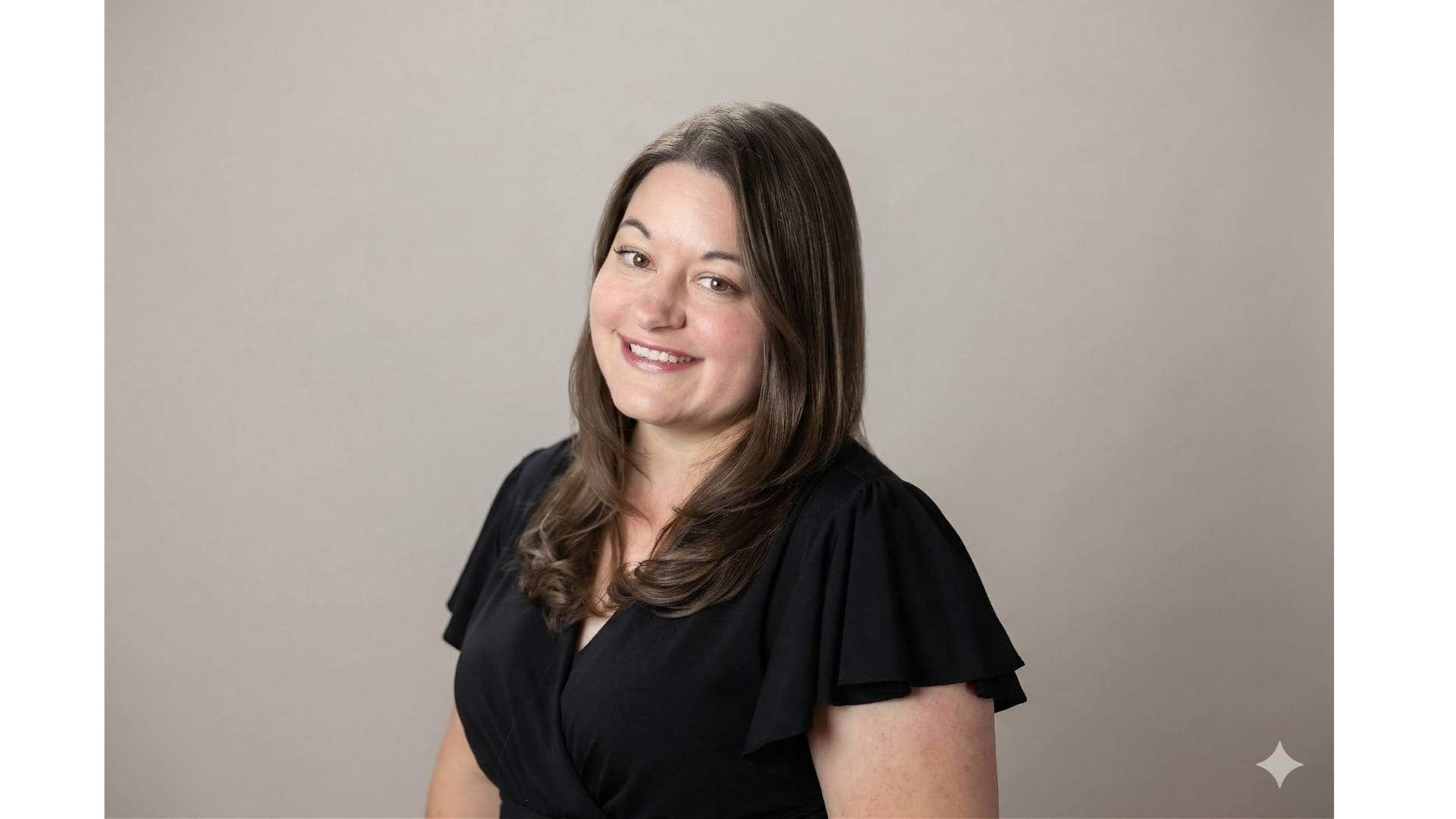
Christina (Tina) Nuñez is an Educational Technology & Instructional Resources Specialist with Albuquerque Public Schools and has over 21 years in education, including more than 7 years in EdTech. She designs and facilitates districtwide professional learning focused on artificial intelligence, Google Workspace for Education, Apple technology, digital creativity, student engagement, and practical classroom strategies that educators can implement immediately.
Tina is a Google Certified Educator, Trainer, Coach, and Innovator (CHI24), a Google for Education Ambassador and Champion, an Apple Certified Trainer and Apple Learning Coach, an ISTE Certified Educator, a MagicSchool AI Ambassador, and serves as a Share Captain for the New Mexico Google Educator Group (NMGEG). She also co-hosts the Innovators UnscriptED podcast, highlighting innovative educators and instructional practices from around the world.
A frequent presenter at local, regional, and national conferences, Tina is known for delivering fast-paced, engaging, and practical sessions that blend humor, real classroom experience, and immediately usable strategies. Whether presenting on AI, Google tools, gamification, digital resources, or instructional innovation, her goal is simple: help educators work smarter, engage learners more effectively, and leave every session with ideas they can use the very next day.