Episode 75: Developing Student Agency
Keywords
student agency, education, teaching strategies, educational leadership, classroom management, AI in education, teacher empowerment, educational reform
Key Topics
Understanding student agency and its importance
Barriers to implementing student agency in classrooms
Strategies to meet students where they are
The impact of buzzwords like AI and equity in education
The importance of teacher authenticity and passion
Sound Bites
"Meet people where they are in understanding"
"Pushback is a sign of success in education"
"Find your niche and teach what you love"
Join the Under the Hat conversation as we explore the importance of developing student agency in the modern classroom with Dr. Desiree Alexander. Discover strategies, challenges, and insights to empower students and transform education.
Want to learn more from Dr. Desiree Alexander? Here are here links:
Steve, Co-host (00:01)
Hey friends, welcome back to Under the Hat.
Steve, Co-host (00:47)
March ⁓ and so that means we're about to kick off with March Madness. believe Sophie correct me if I'm wrong. The first weekend is next weekend.
Sophie, Co-host (00:57)
Yeah, it's next weekend. It is March 7th. Happened really fast.
Steve, Co-host (00:59)
That happened fast. That happened fast.
Yeah. So for those that are anticipating watching, listening right now. So what should we expect that first weekend?
Sophie, Co-host (01:12)
first weekend we have had our 16 competitors, real educators out in the world that are coming in and they're going to compete in a bracket ⁓ type competition to go head to head showcasing their favorite edu protocol and tool to use with edu protocol. So they're going head to head and you, the audience get to vote for the best present presenter. So we'll have
16 showing, we have tried to streamline it a little bit this year. We are gonna have the videos already ready to go. So Steve and I will probably be the only ones live with you on that first round. But then the next weekend on March 14th, we will have the eight that make it through the first round. They're live to interact with you and be part of the rest of the show as they go through rounds two, three and four. The final count.
down. ⁓ And you guys get to vote live during those rounds. So definitely make sure you show up, watch it and vote because you get to decide who's the reigning champion.
Steve, Co-host (02:25)
Yes, that's so good. One question, few folks have DM'd me asking this question, like, can they only vote live? Like, will they be able to vote after we're live?
Sophie, Co-host (02:36)
So round one is going to be asynchronous. Round two is going to start asynchronous before we actually get to ⁓ the episode. Round three has to be live because it's live right then and there. Round four, the final round, is usually live and we announce it right there on the show, but I mean, I'm flexible.
Steve, Co-host (02:48)
Yeah.
Yeah, yeah, no, that's good. Looking forward to that. Super excited. This will fill up most of our March. We have another guest or so in the month of March, but we're excited and as always, we're super pumped that you all are watching, listening and participating. And the fact that we get to collaborate with John Karepo and the Edge of Protocol team is a thrill. So yeah, excited.
Sophie, Co-host (03:25)
Yeah, it's really cool. But today, we are tackling a topic that is the heartbeat of the modern classroom, developing student agency. To help us navigate this, have someone in the studio who has been doing the work since 2002, from the library to the principal's office and everywhere in between. If there's a certification, a degree or a technologist of the year award in the educational landscape, our guest likely has it. She isn't just talking change. She's architecting it.
as the founder and CEO of Educator Alexander Consulting and the Deputy Director for the Associated Professional Educators of Louisiana. She is a Google Certified Innovator and Apple Teacher, a former Librarian of the Year, and the author of Ready to Be an Educational Leader. Dr. Desiree Alexander, we are so glad you're here. I'm super psyched.
Before we get into the strategy of the student agency, your journey as a master class and dedication to the craft. For our listeners who are meeting you for the first time today, can you take us through that path? What exactly led you to the work today?
Dr. Desiree Alexander (04:32)
Yes, so first of all, thank you for having me, Steve and Sophie. ⁓ Thank you for that amazing introduction. I appreciate it. ⁓ my journey from, you know, first I was born and then, no, but my journey, I've always wanted to be an educator. And if anyone has ever heard me on a podcast, they were like, here she goes.
Steve, Co-host (04:48)
You
Dr. Desiree Alexander (04:56)
the same story, but it's my story, so I can't change it. But I've always wanted to be an educator. I always wanted to be a teacher. I didn't know what type of teacher and things like that until middle school. Fell in love with ELA, fell in love with English, had amazing teachers. Thank goodness and became a middle school teacher. Always wanted to teach high school, only wanted to teach senior. So of course that means I became a middle school teacher. And...
⁓ Absolutely fell in love with it. Fell in love with the craziness, fell in love with the chaos. Fell in love with the age of the kiddos and them just not knowing if they want to be, you know, children or adults from one hour to the next. It was just amazing chaos. And I absolutely fell in love with it and loved it. And then ⁓ became a high school teacher teaching.
Sophie, Co-host (05:40)
And I think it's amazing chaos right now. I've food and food and I'm like, man, man, man.
Dr. Desiree Alexander (05:52)
middle school students who didn't quite make it to the high school level, so helping them in that area. Then became a librarian. Absolutely fell in love with that role. Became a librarian, which is where I kind of got more into technology. Became a middle school librarian and then a high school librarian. And then became a instructional technology supervisor for a lower school district.
Sophie, Co-host (06:06)
If you're bringing a teacher up to the campus, I'm you'll a way to get free free free free free free
Dr. Desiree Alexander (06:21)
⁓ And then I kind of pivoted and became the first ⁓ employee and then eventually the deputy director for the Associated Professional Educators of Louisiana. Absolutely fell in love with that role, so I've been here for a while. ⁓ Also within that time that I was an instructional technology supervisor, I started my company Educator Alexander Consulting.
And ⁓ fell in love with that mainly because I usually fall in love with the role where I feel like I am being helpful, where I feel like I'm being helpful. I feel like I'm making a difference. There was one of those roles that I just talked about that I did not say I fell in love with because I didn't fall in love with it. Because I didn't feel those things. But usually I do fall in love with the role where I feel like I'm helping others. So my life is very fulfilled.
Sophie, Co-host (06:55)
Thank
Dr. Desiree Alexander (07:19)
right now because of the two roles that I'm doing right now. But that was kind of my educational journey without getting too far into details. That was my educational journey and all of my experiences of being in Louisiana and Texas.
Steve, Co-host (07:39)
Nice. Question, question, because I get curious about these. I'm on your website right now. ⁓ educate me on perhaps Louisiana acronyms. ⁓ So there's something called the S-L-L-A. Is that the admin test, I guess? Is that what that is?
Sophie, Co-host (07:41)
Fantastic.
Dr. Desiree Alexander (08:02)
Yes, it's in about half of the United States. So about half of the United States requires the SLA exam for people that want to become educational leaders, become certified in educational leadership. So it's a certification exam. ⁓ I started working with a ⁓ company when I wanted to become certified in educational leadership in Louisiana. I went through a program and I turned in a certification program.
and ⁓ started working for that program again without getting into all the details. I started working with that program and that's when I started doing test prep. I realized a couple of years earlier with the librarian test in Texas, which was a beast, I'm sure it's probably even worse now, but it was a beast and I passed in and realized I could help others. So that's when I first started doing kind of test prep stuff and realized I was good at it and realized I actually loved it.
And then started doing this test prep around just if they wanted me to come to Mississippi, they wanted me to come, I was going to do the test prep. So then I decided I, the test prep was like seven hours. And then it became eight hours. And I was like, I can't keep doing this. So I created an online course. So now we have the online course and people are like, well, can you do like a written online course? And I was like, no, that's not how that works.
I was like, no, I'm not doing it. And they're like, we really want our book. I was like, well, you could do an online course. ⁓ But then eventually I went ahead and did the book, which is kind of the online course in book form. But yeah, that's the SLA.
Steve, Co-host (09:39)
Mm.
That's cool, yeah. And I just love the bit of your story of just leaning into, this is where I feel useful. And I think oftentimes when people are like, I'm not happy in my job. And not just in education generally, right? I think that's like, people look at it like, well, I'm just happy, but they can't identify why. And you have that why, and I just love that about your story.
Sophie, Co-host (09:43)
Thanks.
I was just going say, going to say, I'm just
Dr. Desiree Alexander (10:11)
Thank you. Yeah, definitely. I'm very introspective. I like to know kind of why I'm feeling the way I'm feeling, even if it's a detriment to myself, even if it's a negative on myself. I still like to know why I'm feeling like I'm feeling. So I'm always questioning that, whether it be dealing with jobs or people or whatever it is. I'm like, why am I feeling this way? Let's look at that.
Sophie, Co-host (10:39)
Love that. I reflect all the time. Too much, probably. I just wanted to, like middle school kids, yes, love them. That's, yes. ⁓ I recently went back into like subbing and I have been in the elementary world twice now. And it was third grade, which was a different, totally different, because I was a middle school teacher. Totally different.
Steve, Co-host (10:44)
too much. Yeah.
Sophie, Co-host (11:07)
environment, a lot of hand holding, a lot of things. And then I went into fifth grade and I was like, okay, I can do this. ⁓ And so, and then you said that you went from middle school to high school. So I just sort of like questioning, well, what is the one of the bigger differences there? I want to come to like student engagement and maybe even building those relationships with kids that are in middle school and kids that are in high school.
Dr. Desiree Alexander (11:31)
I'm going to have to speak from the librarian perspective more because when I taught in high school, it was still kind of, I think we called it like 8.5. So it was still kinda on the middle school. It was kind of in that middle between middle school and high school. So that was a little bit different. then, but from the librarian perspective, I really did not wanna go to high school. I wanted to stay.
in the middle school because that's that's that was all of my experience and I was really afraid I was like these big students I don't want to deal with these completely opposite of what my life plan was because I only wanted to deal with seniors and I was like I don't want to deal with these big students I don't I mean I don't know I have a goofy personality they're gonna call me lame and I'm gonna kill ⁓ them and I sweat like they are I called my high schoolers they're big middle schoolers
They still have the same heart. They still have the same Ambitions as they have the same goals some of their problems are a little bit bigger But it's the same problems. So it's just um man It's just on a larger scale I guess if that makes any sense um You know where my middle schoolers, you know, everything wasn't Future heavy like the mistakes they made
Sophie, Co-host (12:58)
We still have a lot of time to fix and we're back out of here. So, I'm going to on the other side of things that we expect from our lives. So, I'm going to a small and large event in the future. And the species themselves get to decide what they want to do. They're the same, the same love, the same kind of...
Dr. Desiree Alexander (12:58)
They still had a lot of time to fix where some of my high schoolers, know, some of the mistakes they made may affect their colleges. They may affect the next steps in their life. So that's what I mean by kind of on a, it's more on a larger kind of deeper scale, but the students themselves, they're the same. They're the same. I don't know why I was scared. ⁓ They're the same, the same love, the same.
Discussions,
I mean just I absolutely fell in love with my high school students. So um, yeah in that respect they're they're they're all students. They all want structure. They all want love. They all want respect. They all want the same things. So um, yeah, that's it. That's how I would answer that.
Steve, Co-host (13:48)
Yeah, for sure. I often feel that now almost exclusively being in front of adults now, right? In the teacher prep space. And I'm like, y'all are just like my high school kids. ⁓ And I love that you kind of talked about how they all just need love, right? And understanding. And ⁓ in the same time though, they try to get away with the same stuff that the high school kids do.
Sophie, Co-host (13:49)
Yeah.
Steve, Co-host (14:17)
What's funny about that space is like you all are trying to do exactly what your students are doing to you. So.
Dr. Desiree Alexander (14:25)
Yeah, it's
cool. I mean, it's called being human. You know, it's called being human. It's called ethics. It's called, you know, it's the same thing with adults, with middle school, with high school, elementary. You know, some people are, you know, wired to get away with they can get away with. I don't care what age they are. So it's just one of those things where it's just like, yeah, you just deal with it on a larger scale.
Sophie, Co-host (14:32)
I it's same thing with adults. this people have a family, know, some people are, know, friends, and they have their ways. So I just wanted to say thank you for joining me.
Steve, Co-host (14:43)
Mm-hmm. Yep.
Yeah, yeah.
Sophie, Co-host (14:51)
Yeah.
Steve, Co-host (14:54)
Looking around your website and like your Pinterest and like all of your wonderful content. I think what I really appreciate is how diverse it is. So sometimes and I'm not saying this in a negative way for two or for other folks, but like sometimes I'm like, ⁓ this person, this person's all AI or like, I admittedly, think I've historically put myself in a box, right? Where like,
⁓ you want to talk about project-based learning? Yeah, go talk to Steve and At Kami that was often the case. it's PBL talk to Steve and but like there was a lot of other things that I think I Do offer but it's like almost from like a branding standpoint. It was like I locked myself up so I do appreciate like if you look at like your website in your Pinterest and such like There's like not a thing in there that I feel is left out, which is completely amazing
Sophie, Co-host (15:54)
And it's a lot of different levels too. So from like doing your emoji reactions in your email to way tech heavy. I just appreciate that as well.
Dr. Desiree Alexander (16:04)
Yeah, I tried to, I do what interests me. When I first started presenting and things like that, I would present on things that people asked me to, whether I liked it or not, whether I was a fan of it or not. As long as I understood what it was, I never will forget doing a presentation on depth of knowledge questions. And I was like, yeah, I'd do that in the classroom. Of course I can present on it.
Steve, Co-host (16:17)
Mm.
Dr. Desiree Alexander (16:30)
But I wasn't passionate about it. And I'm sure the audience was fine with it. But I wasn't. was I was bored out of my mind presenting. almost wanted to walk out in the middle of it and be like, are y'all good with leaving early? Because I don't like anything that I'm saying. And that's when I realized that I need to stop that. If I don't like it, I'm sure they won't like it. Like, I could try to make it entertaining, but.
If I'm not into it, then what's the point? So, because somebody else can do it. Like, I don't, I'm not delusional enough to think I'm the only one to train on whatever topic I'm training on. And I'm the only one that could do it well. So I'm like, somebody else could have gotten this presentation and like knocked it off the park. So why am I here? Why am I doing it? So that's when I realized I'm the only one that presented on the things I actually care about and the things that I...
Steve, Co-host (17:08)
Mm-hmm.
Dr. Desiree Alexander (17:21)
I felt like I have something to say about. And that is, you know, classroom management. That is equity. That is a student agency. That is technology. That is, you know, different things. And there have been things that I say no to because I'm like, either I'm just not there yet. Like, I don't really care about it yet, including AI. I just started presenting on AI. I felt like I'm like five years late and I really don't care because I wasn't really interested in it. So I'm like, and I know people who like
Steve, Co-host (17:48)
you
Dr. Desiree Alexander (17:50)
are awesome. So I'm like, go, go get her. I'll give you her email address. She's all about it. I'm not. So it's just one of those things where I'm not going to present on something until I want to present on it until I feel like I'm interested in it. ⁓ And I can use it and I can actually tell you like why I'm telling you this versus that. So that's what I think kind of opened the box for me instead of just being like the tech person. Cause I have, you know, even done
Podcasts where they've been like would you cheer the technology guru and I will like very politely say I actually do more than that and they'll be like, I didn't mean I said no no offense at all But I do more than that. Like I'm I'm not gonna sit in the box anymore and I'm gonna make sure that ⁓ You know the the box is open if I wanna jump in the box great if I don't great ⁓ but I do like Presenting on topics that I actually care about. So that's what kind of opens my ⁓
opens my box if we keep that metaphorical line.
Steve, Co-host (18:50)
Yeah.
Yeah.
Sophie, Co-host (18:53)
I feel and that's really like the authenticity of it comes out when you're presenting and it's filling your bucket and so it's gonna also gonna be filling ours because You're being real. You're not forcing it. I can't imagine None I have actually I can I had to do this and not that I don't believe in like the science of reading I'm just not passionate about the science of reading and I like yes I believe people need to be like doing the science of reading and like understand it and stuff but like girl go and get someone that is like
I've had to do a presentation on it before and it just wasn't there. Like that spark, that energy wasn't there like it is if I'm talking about student centered learning in a math classroom and doing a real world applications and using AI to differentiate instruction. That is like, yes, give it to me. But like, yeah, there's just some things that I'm just like, meh, so what else could do that? So I get it.
Dr. Desiree Alexander (19:46)
Yeah, and it's good to know
that. It's good to know that and to say like, you know, and I know some people are like, hey, a dollar is a dollar and they'll take whatever to do whatever. that's, do what you do. Do what you do. You know, do you boo, do what you do. But I know it's just not me. I'm not going to be happy. I'm going to feel the difference while I'm presenting. And at the end, I'm going to feel like, that, you know, I'm sure it was fine, but it wasn't great.
Steve, Co-host (20:09)
Hmm.
Dr. Desiree Alexander (20:14)
because my heart really wasn't in it.
Steve, Co-host (20:15)
Mm-hmm.
Yeah.
I mean, there's like, and the other thing too is you want to do a good job. Like you want to feel good. It's not about the money, right? At that point, it's like you want to feel good that you made some sort of impact. And like, if someone wants me to go in and talk about blended learning, yeah, I would love that. But if some people are like, Hey Steve, could you do like a technology session for like lower elementary or elementary? I know.
Sophie, Co-host (20:49)
put Steve
in an elementary session.
Steve, Co-host (20:51)
Don't
and I came I had to do that awkwardly and I just remember I got better at it right and I think I learned a lot and I appreciate that but like if someone want to elementary I was That's Avra When we're over that that's that's that's that's her jam, right? And so I think at the end of the day like ⁓ like dr D. Is that like box like ⁓ I say bucket right like you want your bucket filled and If it's not gonna fill it why why?
why put yourself out like that.
Dr. Desiree Alexander (21:24)
Agree, agree. And I do think it affects what people get from it. ⁓ So the focus is honestly helping that teacher. And you know you're not the best person to do that. Why are you doing it? Same thing. And I tell my teachers about students. If you don't have that relationship with a student and that student needs help, you got to let your ego go and say, hey, go get help from Sophie, go get help from Steve. I know you have a relationship with
Steve, Co-host (21:26)
Yeah.
Okay.
Dr. Desiree Alexander (21:53)
with him, please go talk to him because it's about that student getting help. It's not about that student getting help from you. And I feel like it's the same thing as a presenter. It's not about that teacher hearing it from me. It's about that teacher hearing it and the light bulb going off because I can say it and then Sophie can say it and they'll be like, Sophie, that, and I'm like, I just said the same thing, but it was about hearing it from her. So that's why I feel like in this like presenter space and PB space.
Steve, Co-host (22:01)
Hmm.
Dr. Desiree Alexander (22:20)
there's enough space for everybody because somebody needs to hear it from somebody else and not me. So our true goal is to make sure that the students get help from the teacher who gets help from the, you know, whoever's doing the PD, then that should be our main goal. So if I know that I'm not the best person to talk about that topic, I'm going to excuse myself.
Steve, Co-host (22:42)
Yeah, I think I think too this is this conversation super relevant for teachers themselves because so about half my audience that i'm teaching on the regular half of them already in classrooms like their first year kind of thing and some of them come up to me like steve I love how you teach I just feel like ⁓ this is why I would not i'm like great good if i'm your non-example
Dr. Desiree Alexander (22:50)
Yes.
Steve, Co-host (23:12)
And we kind of talk about like everybody's going to have that passion in the classroom, right? And so for me, that passion was like, how do I help kids that look like me? Right? How do I help kids that were at risk, right? That were confused and they don't understand why they're confused. And I have candidates where like they're really passionate about, you know, helping students with disabilities. Like I just had a recent conversation with a candidate around that. like, lean into that.
whatever it is, lean into what you're passionate about, because that's going to A, keep you there longer, and B, make you way more effective. I think having that messaging for teachers, like, it's OK that you're not the go-to for every single topic that we encounter.
Dr. Desiree Alexander (23:56)
I talked about that in my classroom management class because we don't talk about it enough that it's okay to find your niche in education. It's okay to say, I don't want to teach fill in the blank. It's okay to say that like you're not racist. You're not, you know, a massaging is. If you say like I am really good teaching at an all boys school because I connect with boys.
That is okay to say. Like it's okay to say and it's okay to go after that. It's okay to say that I can never teach elementary because I would make all the kids cry. They would hate me and I would get fired because that's not my jam. Like, and if somebody were looking be like, ⁓ that's just heartless. The babies need you. The babies don't need me because I'm not going to be good for them and they're not going to be good for me. So I tell people to get out of your own way. If you say like, don't like, I know my niche, like after teaching.
I don't know why I've taught at so many different kinds of campuses and stuff like that. mean, it helps. But after teaching poverty students, or returit students, middle class students, ⁓ magnet school, not magnet school, neighborhood school, ⁓ all the different things, ⁓ I know that my niche are poorer students,
who are academically gifted, like the the magnet students who don't have it all ⁓ at home, though that's my niche. So I mean, it's okay to say that. So if someone would come to me and say, I need you to go back in the classroom. The first thing I say, what, am I teaching? Because I know that I'm best in a certain area and I don't want to do other stuff. And it's okay for you to say, don't look, I'm not going to be best for those kids. So if you say, yeah, hey, I'm putting you in the middle of
like super duper poverty, super duper low academic, I'm not going to be best for those kids. So it's not about like, I don't want to say that because no, I'm not going to be my best for those kids. I need to get out of my own way because we have a teacher that's going to be a superstar for those kids. That's what they need. And that teacher needs them. So just get out of your own way, trying to stand on pedestals and try to have a message because our kids don't have a lot of time. So
You know, they don't have a whole year to waste with you. So I wrap you dig deep in yourself. And if you're teaching third grade math and you hate it and you're having a horrible year, I need you to start looking at getting out of there. Like, I don't know if it's the math or I don't know if it's the third grade, but you need to go somewhere else because it's not, it's not helping. Like you being the martyr and you being like, but these kids need me, but they don't because you're not being your best.
Steve, Co-host (26:24)
Hmm.
Dr. Desiree Alexander (26:47)
So because this is not your area, whether it's the wrong school, whether it's the wrong grade level, you need to go find where you can shine. Because if you're shining, then your kids are going to be shining. So yeah, sorry. It's one of my soap boxes that I tell teachers. I'm like, you don't have to just stay and stay miserable in your area. Go find something else. Go try something else.
Steve, Co-host (27:11)
Well, and can we just like start normalizing teachers looking after themselves in that way? Right? Like if if you're a lawyer and you're like, oh, I don't want to practice here anymore. That lawyer just moves on. What if it was a teacher be like, oh, you're abandoning those kids. I'm like, yeah, but what's what's what are all the other moving parts? Right. And so like to me, like leadership 101 part of that and Dr. D like Phil.
Dr. Desiree Alexander (27:19)
Yes!
Steve, Co-host (27:40)
feel free to agree, disagree, but like putting people in the right places is just so critical. Cause when they're not in the right places, that's where you really start to see breakdowns, right? ⁓ System-wide, but also like as humans. ⁓ Yeah.
Dr. Desiree Alexander (27:44)
Yes.
Yeah, I 100 % agree.
Steve, Co-host (28:03)
Yeah.
Cool, cool, cool. Yeah, so we're getting into kind of the weeds of like, know, like kind of the different things that you've done, Dr. D, from an organizational standpoint, from a leadership standpoint. Your official title, like your role, let's see if I can pull that up because Sophie was, it's a long title. ⁓
Sophie, Co-host (28:27)
the
deputy director for the Associated Professional Educators of Louisiana.
Steve, Co-host (28:32)
Yes. So, okay. So educate me a little bit being naive out here in California. Is that under the Department of Ed? Is that or is that something else? Okay. Got it. Okay.
Dr. Desiree Alexander (28:33)
Yes.
No, so we're actually a nonprofit and we are
the only state professional organization that's not a union. So we are the non-union in the state of Louisiana that still, you know, gives teachers and educators and leaders their ⁓ professional liability insurance, helping them with attorneys, giving them professional development, all the stuff you can kind of think of that a union does.
Steve, Co-host (28:51)
Mm.
⁓
Dr. Desiree Alexander (29:11)
But we don't give money to political candidates. We don't do that kind of stuff. So we ⁓ that's why certain states not every state but certain states of course Usually they'll have the unions and then certain states have a professional organization. That's not a union and that's
Steve, Co-host (29:11)
Mm-hmm.
That's good. just with respect to unions, I have like a way different context because like unions out here are very different for better or worse. But so it just sounds like this role, ⁓ what you all do, like it's more or less like that service that you're providing, maybe that gap that exists.
Dr. Desiree Alexander (29:53)
Absolutely. That's everything we do is in service of educators, which are in service of students. yeah, like literally everything we do is serving. And that's why I'll say, know, whether it's through, we call it APEL, A-P-E-L, whether it's through APEL or through Educator Alexander, which I call EA. So whether it's APEL or EA, I'm serving. So I think that's why I'm so fulfilled with my life right now, because literally.
Steve, Co-host (29:57)
Mm-hmm.
Yeah.
Dr. Desiree Alexander (30:21)
No matter what hat I'm wearing, no matter what role I'm doing, I'm serving a teacher somewhere doing something. ⁓ And I am just eating it up. I tell people I am very blessed. I know I am very blessed because I am doing exactly what I want to do. Yeah, my worst day is because I have too much to do, but it's still all that I love to do. So it's really, ⁓ yeah, I'm very, very blessed in my role right
Steve, Co-host (30:31)
Yeah.
Mm-hmm.
Yeah, love that. think the fact that the word Louisiana is part of the title, I was like, wait, is that for the state? But yeah, no.
Dr. Desiree Alexander (30:57)
Yeah, so we are
only in Louisiana. So like the EA, I'm everywhere, but for APAL, I'm only in Louisiana. So all of our focus where, you know, like the two or maybe more throughout unions are more nationwide, we are only in Louisiana. So we only focus on Louisiana education. So we only like all of our money goes back into Louisiana education with donations and scholarships and grants and all the things that we do.
Steve, Co-host (31:00)
Got it.
Dr. Desiree Alexander (31:26)
So our entire focus is Louisiana education, which is another reason that people join us versus other organizations.
Steve, Co-host (31:35)
Yeah, love that. So. ⁓
Sophie, Co-host (31:37)
You can really just get specialized in that and become
an expert in the needs of Louisiana teachers. And yeah.
Dr. Desiree Alexander (31:40)
Yes.
Yeah, all of our people have
been Louisiana educators. Like we've all been in Louisiana classrooms all across the state. So we, yeah, our focus is home. And like I tell people, we all live here. So we want Louisiana education to be good. And we have a stake here. We're not coming from Oklahoma to just come recruit and go back to Oklahoma. we need good education. everything that we do is to further.
Steve, Co-host (31:50)
Mm.
Dr. Desiree Alexander (32:13)
our state education.
Steve, Co-host (32:17)
Back at home, give it back at home. Yeah, love that. So Dr. D, I know that you have a lot of wisdom and knowledge around student agency. ⁓ One question we do have is like, so I see the term student agency almost at every conference. It's like, let's throw that term in there. And sometimes I've turned up to those sessions and I'm like, is this actually on student agency? ⁓ And so I think
Dr. Desiree Alexander (32:18)
Yes.
⁓
Steve, Co-host (32:46)
For some folks, that term, when they see it, it's perceived now at this point like just a buzzword instead of like that classroom reality. ⁓ So what is the first barrier you think we need to talk about when we need to make that term more real?
Dr. Desiree Alexander (33:04)
I think making sure that people understand actually what it means and what it entails. think first of all, when like your statement is so loaded because that's our culture in the United States right now is buzzwords. Let's be real. ⁓ Everything is a buzzword. Even if it's something that started off as valid and started off as a movement or started off as whatever.
Steve, Co-host (33:23)
Mm-hmm.
Dr. Desiree Alexander (33:33)
it becomes a buzzword. Like it becomes something you can put on a t-shirt. becomes something, and it loses its meaning as it does. I think not just in life in general, in the United States at least, we are a buzzword country. So we take it and we lessen the meaning of it by making it a buzzword. So I think the same thing happened with student agency. I think it was...
you know, a while ago, probably more than 10 years, know, student agency was new and student choice and student voice. And everybody was like, oh my gosh, look at this new stuff. we, you know, went for it, but then it just lessened and it became a buzzword. And then the next thing was, you know, during COVID, it was equity. Everybody was DEI, everybody was equity, everybody, like people I never seen in my life teaching about equity was now an equity advisor. I'm like, okay.
And ⁓ then that went away, right? And I was like, you can't say, yeah, can't say, my gosh, girl. And now it's AI. Everybody and their mom is an AI queen and king. So it just is what happens, you know? And part of it is consumerism and part of it is wherever the dollar is, that's where, you that will become the new hot thing until it doesn't. So I think the same thing happened with student agency, ⁓ where if I put,
Google in the title, if I put AI in the title, if I put student agency in the title, I'm gonna get people from that section to come no matter what I really talk about. In the session, I just need to put it in the title to get that group to come to my session. And I think AI is definitely the thing right now. They'll be like, AI with crayons. I'm like, what? And then you'll go and learn about crayons. like, where's the AI? Like, what's happening? So I mean, they'll just put AI in the title for anything.
Steve, Co-host (35:15)
you
Dr. Desiree Alexander (35:26)
But, ⁓ and I think the same thing happened with student agency. So I think the way to kind of get it back is to, even if it's a session about like AI, mean, student agency with a, you know, with a certain twist, I think starting with like, what is student agency is helpful. Cause I think people think, you know, student agency may be one thing and it's not. So I think starting with that can help come back.
⁓ Just starting with like what what is student agency or what is to the agency to you, right? ⁓ because I have a session when I talk about like student voice and student choice and the difference between those two and how you get kind of deeper into student agency and I think people will say student agency and only look at choice. So only look at voice. So only you know, don't go deeper into What does it truly mean to have my student? What is agency in general? Right? Like what is
What does it mean for me to have agency? What does that truly mean? Is it giving them a choice board and having them pick like what? So it's one of those things that you have to meet people where they are with the definition of, know, what is it? But then going into what is it? How can we go deeper into it and that kind of thing.
Steve, Co-host (36:43)
Yeah.
Sophie, Co-host (36:45)
You said meet people where they are. That line hits in my core, like for real, for real. Like not just your students, but adults too. Like wherever you, do you have people coming to you for support and help and you're serving them, right? And whatever they're coming to you with, wherever they are in their journey, meet them where they are and then go from there.
And that was something that was really big. When I was a coach at the district level, the teachers would be like, they were supposed to learn that last year. And I'm like, and now you have them this year, fill the gap. And I'm like, and I was in that classroom last year, they did learn it, they just forgot it. Just remind them. It doesn't matter what you think you're supposed to get when you get these kids in your classroom. These are the kids you have. Meet them where they are and then build them from there.
So yes, I just wanted to, yes, ah, sorry. That was just my little soapbox there.
Dr. Desiree Alexander (37:46)
What's the truth and once you shut people down, they're not going to listen to you, right? So once you make someone feel stupid, once you make someone feel inadequate for like not knowing something, well, you should, you should already come here knowing that you're going to shut them down. So if you want people to grow, can't, you can't punish people for not knowing and asking them to grow at the same time. And that was something I used to really, ⁓ not used to that I still
Steve, Co-host (37:55)
Hmm.
Dr. Desiree Alexander (38:13)
Talk about when it comes to equity. I was like you can't do both You can't say what you should have known not to say that word and I'm gonna fault you for it and But I also need you to do better like how like it's a it's a losing bet You got to pick one or the other you either need to say like hey, you know Let me teach you why that's not okay or you need to go learn what that's not okay, but it's not okay but you can't villainize and ask people to grow at the same time so you have to
meet them where they are and go, hey, now let's go further.
Steve, Co-host (38:48)
Yeah, that kind of reminds me of the college professor that on day one, brags how hard his or her classes can be like, just so you know, about half of you are going to fail. Right. And that the student agency for me, part of that is like the yes, I can. Yes, you can. And yes, we will. Right. And but but yeah.
No, and can you kind of talk about like just what buzzwords are like what that has looked like historically in our space and ⁓ On the one hand, I'm like, ⁓ we won't be talking about AI in like five years But then there's other days I wake up. I'm like, ⁓ I think we are Because it's like it's becoming more and more like within the fabric of like our classrooms and our world and ⁓
It'll probably look different.
Sophie, Co-host (39:49)
And it's growing, it's getting new subtopics. So have like your generative AI, have your agenic AI, if I said that right. So it's it's getting more specific now. And so we're still going to be talking about it, but what type of AI are we going to be talking about? so it's kind of exciting too. So I'm just going to go.
Dr. Desiree Alexander (40:06)
Yeah, we're gonna be like, AI
is not going away. Just because we've had it for so long. know, ATM is AI. Like we've had it for so long. We just didn't call it AI. Like we've been using it for so long. So it's just one of those things where, like you said, what will we be calling it? What will we rename it? What will we, you know, when the, when we have AI robots in every home kind of thing, like what will we call it kind of thing? But I mean, we've been using it for so long. Just your playlist.
Steve, Co-host (40:20)
Mm.
Dr. Desiree Alexander (40:35)
recommending a song is AI, is learning from what you listen to. So I mean, we've using it for so long without calling it AI. It's not gonna go away. The worst that we will see is right now. So it's only gonna get better whether that is a detriment or whether it's good or bad for the world is everybody else's opinion.
Sophie, Co-host (40:59)
Terminator.
Dr. Desiree Alexander (41:03)
But it's only going to get quote unquote better and more integrated into our lives. So it's not going away. I mean, it's just not. That's like saying the internet's gonna go away. Like it's not. The only way in it that's gonna go away is if we go into the zombie apocalypse. It's forced for a whole bunch of other stuff to go away too. But yeah, it's not going away. Now, is it still gonna be a hot topic? No, it's gonna transform like everything else does. So, yeah.
Steve, Co-host (41:03)
Mm.
Yeah.
be a new thing. Yeah.
I don't know. I think if we're gonna get robots up in here, the first thing needs to do is know how to purge my inbox. Like if something else can do that part of my day, that'd be great. That'd be great. Like just go through my inbox and like, like my email. Yeah. ⁓
Dr. Desiree Alexander (41:44)
Know how to do what?
But it does say
you can do a summary of your inbox you can do some is doing stuff back now where it can get you say like all these emails this is what you need to know from it you can do
Steve, Co-host (41:55)
So can I, can I just, yeah, I've,
can I just say though, like, kind of off topic rant, I'm super scared of that in the same time though, because like, if I'm, if I'm doing that, like at work, like, that's a lot of information that it's like gathering. So then that's part of me like, no, I'll do that myself. Thanks. ⁓
Sophie, Co-host (42:20)
Yeah, what I want it to do is my laundry and dishes. That's what I want it do. Take that off my load. Yes, that's what I want.
Steve, Co-host (42:25)
I the Jetsons.
Who is
the, what was the robot's name? I forget what it is. Rosie is Rosie. Yeah. Yeah. You want a Rosie. Yes. Yeah. That's good.
Sophie, Co-host (42:34)
Rosie? Was her name Rosie?
Dr. Desiree Alexander (42:36)
Y'all say Rosie from the Jesses?
Sophie, Co-host (42:38)
Yes, I do.
Dr. Desiree Alexander (42:42)
I'm sure like
they you know, they have restaurants now where the the waiter is a robot and you'll come bring you through something is It's here just because we don't have it in our house Like it's already exists. And like I said, know, just like think about think about how quickly phones evolved Right and from like having a pager to a phone to this and out to the smartphone now the smartphones smarter than me. So mean
Sophie, Co-host (43:02)
Mm-hmm.
Dr. Desiree Alexander (43:10)
It's here. It's just whether you want to deal with it or not. Whether you want to deal with it or not.
Steve, Co-host (43:15)
I so I
don't I don't know if this exists in your area or not, but it's like when I go to San Francisco, they're the Uber cars. They're not called Ubers, but they're basically a taxi that is driving itself. And I don't have it in me to order one like I'm and sometimes I have to cross the street out there and there's one that pulls right up and I'm like.
Don't run me over. Like don't make a mistake and think that I'm not there and then just like go. Uh, yeah. This is super creepy. Like I want, I'm sorry, but I want a human driving me always.
Dr. Desiree Alexander (43:47)
I'm here!
Sophie, Co-host (43:48)
Yes.
Dr. Desiree Alexander (43:54)
Yeah, I'm not going to get into driverless car, but I also, again, I'm very self-reflective. So I look at, I remember I said I would never get into Uber or Lyft. I was like, I dare you, I'm never calling a random stranger to come pick me up. Never in my life. That's all I do is Lyfts Ubers now. ⁓ I remember having a meltdown as a teacher in my sixth grade classroom about cameras on phones.
Steve, Co-host (44:12)
You
Dr. Desiree Alexander (44:24)
I'm like, why would you need a camera that quickly? What world are you living in that you need a camera at the drop of a hat? I mean, when I say went off, like I apologize to whatever students are in my classroom at that time, but went off. Like I remember it. Like if you can't go buy ⁓ a camera, like why would you need a camera that quick? mean, so, you know, like I remember people in my family, like I will never use an ATM. I am going inside.
So I it's just one of those things, like we can say that and let's see where we are in 10 years. And while I'm sitting here with the driverless car being like, Steve, I'm in the driverless car. you know, we say those things, but we don't know what we're gonna be in some years when it becomes the norm, when it becomes like, duh, why wouldn't you get into a Lyft? So yeah, I say that, but who knows, I'm gonna be in 10 years.
Steve, Co-host (45:03)
Yeah.
Sophie, Co-host (45:05)
And then you have...
We're good.
Steve, Co-host (45:16)
Yeah.
Sophie, Co-host (45:17)
Yeah.
then there's me and I'm like, take me to San Francisco Steve, I wanna get in that car.
Steve, Co-host (45:22)
yeah.
Dr. Desiree Alexander (45:29)
I just see the videos where they like keep driving in a circle and they like trap people. So I'm like, no, fix that first. Fix that and then maybe, but no, I don't want to just be in a circle. have to call somebody and say, please stop the car. So yeah, no, I don't want that.
Steve, Co-host (45:49)
All right.
Sophie, Co-host (45:49)
I remember teaching
my kids, just one last thought on this topic, I remember teaching my kids like you need to know these multiplication facts, like how to figure it out on your own because you're not gonna have a calculator in your pocket.
Steve, Co-host (46:03)
Hahaha
Sophie, Co-host (46:04)
I taught my kids that my first year because that wasn't on their phones yet and now it is.
Dr. Desiree Alexander (46:06)
Mm-hmm.
Steve, Co-host (46:12)
Joke's on you. Joke's on you, Ms.
Youngs.
Dr. Desiree Alexander (46:14)
And
now you don't even need a calculator. He's like, hey Suri, what's the 25,000 times 20? So now you don't even need it. Oh look Suri came on. Sorry Suri. But you don't even need a calculator anymore. So we can only, like we can only sit here in 2026 and say this, this and that, but we don't know what's coming. We don't know what we're going to say in two years. So yeah.
Steve, Co-host (46:21)
Uh-huh.
Sophie, Co-host (46:38)
Yeah.
Steve, Co-host (46:44)
Very true.
Sophie, Co-host (46:45)
think
it's exciting.
Dr. Desiree Alexander (46:46)
Yeah, it's interesting. Like I'm right in the middle. like, this something? We'll see what happens.
Sophie, Co-host (46:49)
Steve's like, I'm terrified. And I'm like...
Steve, Co-host (46:49)
No, I'm only
There's only yeah,
there's only some things that terrify me like when it comes to just like travel and safety. I yeah, but yeah, like all the other cool things like I use Sophie and I probably use Gemini the most ⁓ I use chat GPT. I feel a little bit more than you Sophie just with like we were talking about that yesterday, right? Like it creates things a little bit better depending on what it is. ⁓ But yeah, yeah.
Dr. Desiree Alexander (47:11)
Mm-hmm.
Steve, Co-host (47:23)
I'm here for it, I'm just saying I don't want to in the car. I don't want get in the car.
Dr. Desiree Alexander (47:28)
Because then I'm thinking like, like I said, in a couple of years, I'll see where I am because is it safer for me if I get off a plane at one o'clock in the morning to call a Lyft driven by a stranger or to call the driverless car to get me where I need to go with no person? So I mean, that's what I'm saying. Like I'm saying I don't want to get into one, but I don't know where I'm going be in a couple of years.
Steve, Co-host (47:49)
Yeah, I can see that. Like if you're traveling by yourself late at night, I get that. I get that.
Dr. Desiree Alexander (47:52)
Yeah, uh-huh. Yeah, which I have done. So
Sophie, Co-host (48:00)
Same.
Dr. Desiree Alexander (48:00)
which one is safer for me?
Steve, Co-host (48:02)
Yeah,
yeah, yeah, yeah.
Sophie, Co-host (48:03)
was super
excited when Uber had like, I can choose a woman driver.
Dr. Desiree Alexander (48:07)
I I agree. have that list. have that little buttoned. Yes, I agree.
Steve, Co-host (48:14)
Mm-hmm. Yeah,
Sophie, Co-host (48:14)
Yes!
Steve, Co-host (48:17)
no, it's true. All right, friends. So ⁓ we're getting towards the end here. Yeah. And so we're super excited to hear from you, Dr. D, if I can get the right buttons here. So we're gonna get that question that we ask everyone on the show. ⁓ What is under the hat, what is top of mind for you in education right now?
Sophie, Co-host (48:21)
We're at that time.
Dr. Desiree Alexander (48:42)
Top of mind, there's so many things, as you probably can tell by my long answers, ⁓ there's so many things that I really care about in education ⁓ and that are top of mind. think right now it would be just like, and when I say right now, I mean literally right at this second, ⁓ it would be more of teacher agency and education agency in general. ⁓
Steve, Co-host (48:52)
you
Dr. Desiree Alexander (49:12)
I feel like we are just failing the education system ⁓ by some of the decisions that are being made ⁓ for educators without any input from educators. ⁓ And it's been a problem, but I feel like it's only getting worse. I also feel like we also have to look at the history of education and why... ⁓
specifically about public education, ⁓ why public education was created versus why it exists today. ⁓ And I think that when I get really angry and when I get really like what is happening in education, what is my role in it? Am I making it worse? Am I making it better? ⁓ I actually almost quit doing what I'm doing today a couple of years ago, because I went through a ton of...
Steve, Co-host (49:51)
⁓
Sophie, Co-host (49:53)
Bye.
Dr. Desiree Alexander (50:12)
crisis of When am I perpetuating by even doing professional learning or professional development? ⁓ and I have to I was a couple of months where I almost just got out of education altogether. ⁓ but looking at why do we exist and Some of the problems that we're having in education and coming to the
in my humble opinion, the very sad realization that I think that the system is working exactly how it's supposed to work. I feel like the system is working exactly for what it was molded into. And I find it really depressing and sad. And I need to see what can I do in my little role, in my little space to
to it better, to try to fight for it to be what we all, you know, it's almost like the matrix, like what we all think we're here for versus what we're really here for. And I do think that public education these days is to keep the masses exactly where they are. And I think we need to fight that. I think we need to see, I think we need to first come to that realization that, you know, we keep looking at it going, well, this isn't working.
Is it not working or is it working? ⁓ Is it working for what it has been molded to work for? ⁓ Because I feel like if public education, from what it was molded into, was to educate, like if that was the number one, like we want an educated populace, we want everyone in this world to have an education to critically think, to look at, you know,
sales pitches and politicians and all the things in question. I want you to be a questioning society. ⁓ It wouldn't have been molded to what we are in right now. So I think looking at that, understanding that, realizing that, and then seeing, what can we do to fight that is top of mind. I know it's a little heavy. It's not like this one thing.
I know it's a little heavy, but that is where I am right now. ⁓ when with what's with the top of mind topic is just like Whoo, okay. What like hot? do we do? What do we do? to come back and I do think that and if you notice I'm very much trying to choose my words and not go off the Wild Wild West because I can't go off the Wild Wild West I'm trying to choose my words, but I think that
the big pushback on PBL and DEI and teaching history as history happened and all these things and ⁓ what's the one I'm trying to get something else, but SEL, I think the big pushback on those things was because we were making so much progress.
is because we were having students have empathy, is because we were having students critically think more, it was because we were having students go, what's going on? And the pushback happened. And I kept trying to tell people because we were getting so downtrodden, I'm like, there's only pushback when you're succeeding. If you're doing something,
that I'm against and you won't succeed, I don't care. I'm gonna be like, sweetie, keep trying. But once you succeed, once you're getting, you're gonna get them. So when you get the pushback, it's like, ⁓ heck, I was making a difference.
So yes, that is what's on top of my, stop talking. That's what's top of mind for me right now.
Steve, Co-host (54:20)
This piece could just be like an entire like other conversation. ⁓ and So as a as a former government teacher A lot of what you hit on, know really resonates with me in the in sense of something I talk to people About often is like, you know, you look at i'll use california as an example because that's what I know the best but like, you know, We talk a lot out here about you know
Sophie, Co-host (54:22)
It's yes.
Steve, Co-host (54:47)
The folks that are really making those decisions about the classrooms, they're all sitting in Sacramento, right? And have not taught a day in their lives. And depending on the state, depending on the country, like it is to their advantage to make it broken and kind of to underscore what you're getting at, right? And so...
That's such a dangerous, scary thing. And for me, it's like, who truly suffers in that situation? It's a kid that could be in the Central Valley of California, who's in a migrant family, who's moving from place to place because their parents are working on the fields and perhaps are not there.
Dr. Desiree Alexander (55:11)
Mm-hmm.
Steve, Co-host (55:34)
within legal status, right? And there's like all these things, right? All these nuanced things that these types of decisions, how they impact these people and impact these families. ⁓ like, we don't...
They may not want them to critically think right. I mean like what is actually going on and Just talk at them people and Compliance, how do we get them to fall in line, right and ⁓ But does that actually speak to the roots of our democracy, right our democratic republic and so like yeah, this is kind of just my like Additional thoughts to what you said. Yeah
Dr. Desiree Alexander (56:15)
Yeah, but it's just
understanding that you can't fight it until you understand it. Like you can't do better until you get that. And education was created to teach the status quo, which whether you say good or bad, that's what it was created to say, hey, this is how we work as a society. Let me show you how to be a worker.
Let me show you how to go to these factories. Let me show you how to sit. Let me show you how to walk in a lot. I mean, it was was created to teach the status quo. But we're not we're not there anymore. We're here. So what what are we doing? Yeah.
Steve, Co-host (56:43)
Mm-hmm.
Yeah.
Love that.
Well, now I have a bunch of things to think about now. Thank you, Dr. D.
Sophie, Co-host (57:07)
I know, I'm like, Steve and I are gonna
have a long conversation later, I'm sure. ⁓
Dr. Desiree Alexander (57:12)
I'm sure that was heavier then,
Steve, Co-host (57:12)
Yes.
Dr. Desiree Alexander (57:13)
but that is what's on top of mine. And I told Steve and Sophie, was like, I'm not even going to think about what I want to say about top of mind until it comes, because I want to see where I'm feeling at that time. And apparently I was feeling a little heavy, I'm sorry. ⁓
Steve, Co-host (57:16)
Yeah.
haha
Sophie, Co-host (57:30)
love it. Like, I can't agree with you more. ⁓ As an accessibility advocate for my own sons, like, knowing in West Virginia and seeing what the system is set up for and how it is failing so many because it's built to fail. is. So, yeah. Anyways.
Steve, Co-host (57:33)
Yeah.
That's where like the work that all three of us do right? That's why it's so important and like, you know kind of think about like You use the word movement earlier dr. D and I was like, oh, yeah This is this is a movement like of just like trying to try to move something, you know, try to try to shift And so yeah I've not I've not thought about the work that I do as a movement before and I'm glad that you have that in my head because now that's gonna be something that's
Living rent free up here for a little bit. So appreciate that Awesome. All right friends. Well, we are about ready to wrap up this episode. This was been this has been fun. Dr D Thank you so much for jumping on and having this conversation Yes Yes
Sophie, Co-host (58:41)
It was so wonderful.
Dr. Desiree Alexander (58:44)
Thank you, thank you for having me,
seriously, thank you. Thank you both.
Steve, Co-host (58:47)
Yeah, yeah. And just for all that are watching listening, know, Sophie and I are oops, my face is too big. No one wants that. And see this where AI goes wrong. I don't want you zooming in AI. Yeah, which maybe I was maybe I'm not I don't know. But yeah, we are. Yeah, thank you. But no, so
Dr. Desiree Alexander (59:02)
is I keep saying something important.
Sophie, Co-host (59:05)
You
Never.
Steve, Co-host (59:14)
It is important. I'm plugging dr. D's whole webinar series that that she does Super phenomenal. ⁓ I see you posting and doing that work all the time. Love it. ⁓ sophie and I are going to be on that webinar in A month or two. I forget what the exact date is. It's on social It's in march, yeah Yeah, so super excited about that. We're talking about assessments ⁓ and how you know, we navigate all that so
Dr. Desiree Alexander (59:33)
It's in March.
Sophie, Co-host (59:36)
Yeah.
Steve, Co-host (59:43)
Thank you for having us ⁓ in your space as well. Yeah.
Dr. Desiree Alexander (59:46)
Of course,
I appreciate it. It's March 28th. I appreciate y'all coming on. ⁓ My space is very open for any educator that wants to share. I invite y'all. And so it's really just a free open space for educators to talk to the educators. So I appreciate y'all being on.
Steve, Co-host (59:50)
Awesome.
Yeah,
yeah, absolutely. Looking forward to it.
Sophie, Co-host (1:00:10)
It's exactly a month from today.
Dr. Desiree Alexander (1:00:13)
it is, yep. Hey, kiss me.
Steve, Co-host (1:00:15)
course, Sophie would have that insight.
She would recognize that. yes, exactly. ⁓ Very cool. All right. Awesome. This has been fun. Friends, until next time, keep your hats on, but your minds open. Bye-bye.
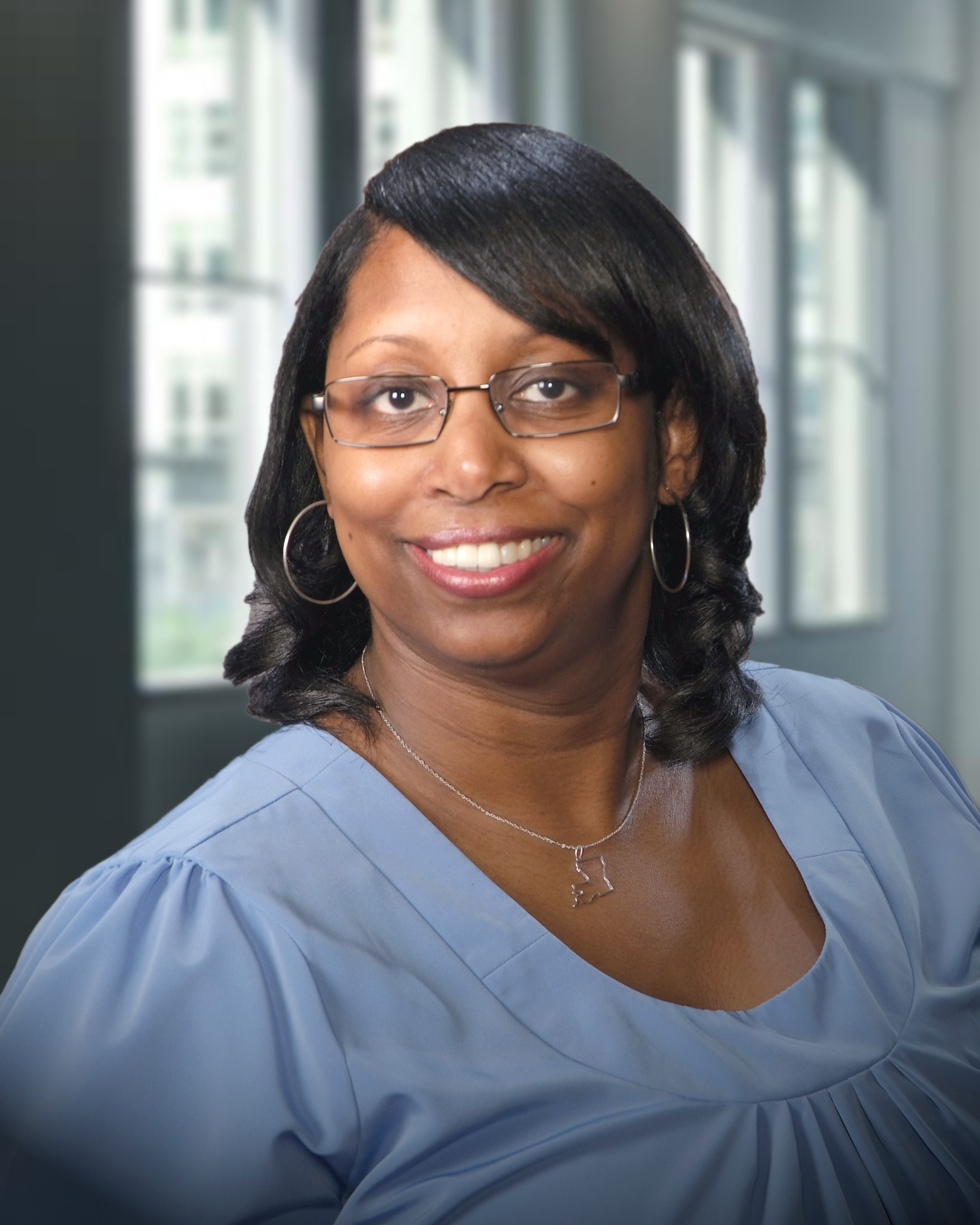
🍎Founder CEO of Educator Alexander Consulting 🍎Keynote Speaker & Presenter🍎Google Partner🍎SLLA Coach🍎A+PEL Deputy Director
Dr. Desiree Alexander is an award-winning, multi-degreed educator, speaker, and author who has been in the educational field since 2002. She is the Founder CEO of Educator Alexander Consulting, LLC and the Deputy Director for the Associated Professional Educators of Louisiana. She consults with members of several schools/businesses and presents at conferences globally.
Dr. Alexander is lifetime certified in Louisiana in Secondary English Education, as a Reading Specialist, as a School Librarian, as an Educational Technology Facilitator, as an Educational Technology Leader and in Educational Leadership 1. She is certified in Texas as a Principal, in English Language Arts and Reading for grades 4-8 and grades 8-12, as a Reading Specialist for grades EC-12, and as a School Librarian. She holds multiple technology certifications, including, but not limited to, IC3 certification, Google Certified Trainer, Innovator and Partner, Apple Teacher, and Microsoft Office Specialists.
She holds a Bachelor, a Master + 30, and an Education Specialist Degree in Curriculum and Instruction from Louisiana State University, a Master of Library Science from Texas Woman’s University and a Master of Educational Leadership with a concentration in Educational Technology Leadership from Nicholls State University. She also holds a Doctorate in Education with a concentration in Educational Leadership from Lamar University.
She is the author of Ready to Be an Educational Leader: Your Guide for Passing the SLLA 6990, the 2024 Common Sense Education Ambassador of the Year, a 2…Read More