Episode 69: Unlocking Growth in Education Entrepreneurship
In this episode, the Steve and Sophie explore the theme of unlocking growth in education entrepreneurship with guest Ildi Laczko-Kerr. They discuss the challenges and opportunities in the field, focusing on personalized coaching and professional development for educators. Ildi shares her journey from an immigrant to a leader in educational technology, emphasizing the importance of community and relationships in entrepreneurship.
Want to learn more from Ildi? Here are her links:
Steve, Co-host (00:01)
Hey, everyone. Welcome back to Under the Hat. We are super excited to be here. ⁓ Sophie and I had a phenomenal time ⁓ out at FETC where we might do a bonus episode just talking more about our findings, the fun that we had, and also who we talked to and the things that excited us. so.
Sophie, Co-host (00:23)
To confirm,
we will do a bonus episode, so keep your eye out for that.
Steve, Co-host (00:28)
That was
my way of asking Sophie if we're actually gonna do that. yeah. But yeah, so I'm your cohost Steve Martinez and as always I'm joined by.
Sophie, Co-host (00:38)
Sophie, the other co-host, we are thrilled today with the guest that we have on Ildy and I'll introduce her in a little bit. Steve, before, just real quick, what was one thing that was like top of mind at FETC for you? Just one.
Steve, Co-host (00:56)
Community. There's a lot of community out there. definitely, being from California, it gave me Q vibes, right? ⁓ I just appreciated like, FETC seems like flexible. Like it's not like as formal as other shows. Like, and I can't really articulate that other than like the culture component of that, but ⁓ yeah, community.
Sophie, Co-host (00:57)
⁓ yes.
We'll talk
more on that in our bonus episode. Sweet. Okay. So from the department of Ed to the startup world, our guest today is a three time entrepreneur and a leader in every sense of the world. Dr. Ildy is the founder of Ribbit Learning and a researcher dedicated to personalized coaching. Ildy, Steve and I are huge fans of the work that you're doing, me mainly, because he just sort of tags along. ⁓
But we want to rewind
Ildi Laczko-Kerr (01:50)
We will be after the next.
Sophie, Co-host (01:51)
the tape a little bit here. How did your educational journey begin?
Ildi Laczko-Kerr (01:57)
Well, I started kindergarten. No, I'm just kidding. ⁓ So my parents put me in kindergarten. ⁓ Well, actually, will actually start all the way back to kindergarten if it's OK. So what most people, lots of people don't know about me is I'm an immigrant to the United States. So I was born in Romania and moved to the US when I was four. So I don't have an accent. So English is not my first language. And so I grew up at a time, live in Arizona.
Steve, Co-host (02:00)
Ha
Ildi Laczko-Kerr (02:27)
and our immigration policies and language policies have changed a lot. But when I first came to the U.S., I was actually in an English immersion classroom. They didn't call it that at the time, but I was in classroom with all Hispanic speaking students and didn't understand Spanish because that wasn't my native language and also didn't really understand English. So that really formed a lot of the way that I think now as an educator back to like individual student experiences.
as well as like supporting teachers, right? Because my teachers at that elementary school had never seen anybody from Romania before and had no idea what in the world to do with me in their classroom and how to accommodate and, you know, adjust their instruction. So the Way Back Time Machine is like, yeah, I, lot of my formative education years were driven by my own experiences. I have a PhD in learning and instruction from Arizona State University.
and a master's in teaching, learning, and development from ⁓ University of Arizona. And so I've always been intrigued about education. I've, like you said in the intro, had all of the jobs. I have taught high school age children privately. I've been in charge of research and evaluation at the state level here in Arizona. But my favorite jobs have been working with teachers and leaders. So like you said, Rivet's the third company that I've started.
in a variety of different spaces. So when I left a traditional district role as a director of curriculum instruction and assessment, I moved over to the charter schools association here in Arizona. And at the time, Arizona had the largest number of charter schools in the country, say, in Washington, D.C., as a small entity. And we realized that they didn't have access to the same kind of professional development.
support that a traditional district would just because we had a lot of small independent charter schools. So under the umbrella of the Association, we created our first company called the Center for Student Achievement and it was a nonprofit. So I got to live in the nonprofit world for a while, writing grants and creating these systems. But we essentially had a team of coaches that worked with dozens of schools all across Arizona where we sent them in to do training and instructional coaching. And then that
translated into a consultancy when we left the association. When I say we, my business partner and co-founder, Rob DiBacco, and I have been working together for about 14 years. And so all three of our companies, we've started together. So he's the global we, when I say we. ⁓ And then we started a consultancy. And so I was running around Arizona myself doing professional development, instructional coaching, leadership coaching.
And Ribbit really came from this idea of thinking about how we could scale that work to more people, especially in small rural communities. We recognize that, you know, especially in those communities, they didn't have access to the same level of support and it was not cost efficient for them to bring people in. you know, whether I'm traveling to Kingman, Arizona or Fort Mojave or Douglas, which are all awesome places in Arizona, by the way. ⁓
the cost of me traveling there meant that those teachers got less support than if they had been in a rural area or a metro area here in Phoenix. And so we just thought that was wrong. So from the perspective of equity, we set out to figure out how could we create the technology or platform or could we find one and at the time we couldn't. And so like silly people, we decided we'd build one and I'm not a technologist. I don't know how to code.
Steve, Co-host (05:49)
Okay. Okay.
Ildi Laczko-Kerr (06:06)
And so building a tech
company from the ground up has been a real fun adventure. So that's a little bit about me and kind of how my education journey has led me to what we're doing today.
Steve, Co-host (06:19)
Wow, yeah, I just appreciate the, from an entrepreneurship standpoint, Like, and Ildi, like we kind of talked about this before we hit that button the second time, maybe before the second time, I don't know. Just this like, you you kind of made this comment, it's like, hey, congrats for, you know, taking that risk, jumping into the podcast scene. What you're describing seems way more intimidating and scary and...
Maybe scary is not the right word, because I'm sure there was some excitement to it. just that jump, right? And so to me, on a more professional level, in the professional sense of just, that's really cool and exciting for you. Was there any like, maybe talk a little bit about that. What was that moment like where we are going to take that jump and maybe some. ⁓
I don't know, imposter syndrome or like, or was that like, Hey, we're just going to do it. Very always interested to hear like an entrepreneur kind of story.
Ildi Laczko-Kerr (07:19)
Yeah, now that jump is scary as hell, right? So I, for decades of my career had said, I'm never gonna, I can't ever be a consultant, go out on my own. Like I love a steady paycheck, right? Now my children are grown, but especially when they were little, right? That was such a scary idea to not have the stability. So obviously working in a traditional K-12 district, I had that. ⁓ I didn't have the flexibility that I wanted. So then when I went over to the,
Steve, Co-host (07:43)
Hmm.
Ildi Laczko-Kerr (07:47)
Charter Schools Association, I still had a steady paycheck, which was lovely. But then when we launched the center under that umbrella, there was a cushion, right? There was always a safety net for me there. So the second jump to consultancy wasn't as scary because one, knew that we could do it. We could build the business. ⁓ When we left the ⁓ association and took our book of business with us to consultancy, we were doing over like a million dollars worth of
coaching and professional development, just me and a small team. So I had the confidence that it could be done and that I knew how to do it. And then I luckily had the, I guess hubris is probably the real word, that the relationships that I had in our community would help sustain me doing it individually and on my own. And luckily that risk came to fruition and I was able to do that. But I think that
Steve, Co-host (08:17)
Mm.
Okay.
Ildi Laczko-Kerr (08:45)
The thread for education entrepreneurship for me has always been about relationships. And so I love that you started talking about
FETC as like community, because that is a critical part of being an educational entrepreneur, right? Relationships lead to business, both in terms of, you know, actual like real contracts that get signed, but lead to people that are awesome to work with, whether they're employees that you're trying to pull onto your team.
Steve, Co-host (08:59)
Mm.
Ildi Laczko-Kerr (09:14)
⁓ recruiting people to your cause. So that really is a huge part of taking that leap. And since once I realized that that network that I had would help sustain the efforts that we were doing, it didn't seem as scary anymore.
Steve, Co-host (09:32)
Yeah, the community, the relationship piece is big. Selfie.
Ildi Laczko-Kerr (09:36)
Thank you.
Sophie, Co-host (09:36)
⁓ Thanks, Steve. So you said that you started like the nonprofit and then there was the consultancy and then Ribbit Learning is, so there's three different buckets that you've like ⁓ worked in and entrepreneurship and educational entrepreneurship. like, what are, what are like the differences between the three and maybe similarities?
Ildi Laczko-Kerr (09:56)
Great question.
Yeah, so the difference is really in my experience, right? And I can only speak for hours. So in the nonprofit world, we had a fee for service structure, which is unusual for nonprofits, right? we were able to sort of subsidize the work that we were doing through grants. So it's a ton of grants, grant writing, and there are only really a certain number of foundations.
national ones that offer grants for that kind of work. There's some state and local grants that you can write for depending on your region. So being in a nonprofit space, that grant writing is a huge part of the work, which also takes away from the actual direct delivery. But in order to not be so dependent on grants, because that's a dangerous place if you're a nonprofit, we had a fee for service structure. So schools and districts paid some of the cost of
Steve, Co-host (10:45)
Mm.
Ildi Laczko-Kerr (10:53)
the training and the coaching work that we did. So it was going to a little bit of a balance. The more that we shifted to fee for service, the less we needed to be dependent on grants. But that also meant that we were not able to subsidize as much of the work that we were doing. When we shifted to, when I shifted over to a consultancy, that really is all just you and your hustle, right? It's building your network, leaning on your relationships, going out there and selling your wares for lack of a better term.
And it's truly all fee for service. So thinking about how to appropriately price the work that you're doing and thinking about how much prep time goes into delivering, you know, workshop or training. If that's the work that you're going to do, or even the prep that you have to do if you're going to consult with a leader, right? We learned a lot around, like we have Excel spreadsheets for everything, right? So we standardized the way that we write proposals.
One, because we wanted to be fair. We didn't want, you know, some one school to get a certain random price and another school to get another random price, not be able to explain why. Right. So everything's in a spreadsheet. All of our time and effort is put in there, but really valuing the time that it takes for you to do that work is scary because you're like, well, somebody pay me this much to actually go out and do a training or do a full day of observation or leadership coaching.
And the reality is if you can communicate your value and demonstrate that value to them, they will. Moving over to this ⁓ ed tech world. So Ribbit is a, is a for-profit ⁓ company. We're registered in Delaware, like all this, you know, companies are because that's where you register your company apparently. And building a for-profit company is totally different. And in my mind, I am still a nonprofit.
thinker and I'm still about like impact and making things accessible and cost effective. And so when I now talk to school leaders or ⁓ district buyers, whoever that person is, I know I'm being seen a little bit different, right? Because I'm being seen as a for-profit company that, you we're not a big company yet. We're only three years in the field working with schools and districts.
But it's a lot different when I'm wearing my ribbon hat than if I were wearing my Lotus consulting hat, or even when I was in my Center for Student Achievement world. So that has been a hard transition for me, honestly, because I still think of myself as just somebody who wants to sit next to you and help you get better. And sometimes people look at me like, what are you trying to sell me if you're going to give, know, what do you want from me? And I'm like, but that's not me, I promise. ⁓
Steve, Co-host (13:33)
Mm-hmm.
Ildi Laczko-Kerr (13:43)
That's, know, I need to just go to therapy for that, but.
Steve, Co-host (13:46)
That's so that's that's the tricky part right and so we for those that are listening like I'm really gonna describe like One big difference between Sophie and I is like ⁓ I'm okay with making money. I am and I think there is we get conditioned as educators to just give give give give give and but what that leads to especially when we leave the profession if that's what you do like there's a little bit of like friction of like
Ildi Laczko-Kerr (13:50)
Mm-hmm.
Steve, Co-host (14:16)
You have it in your head that you're still an educator, you're still giving, but like, I don't know of another profession where you get all this education and you're still expected from society to just give and not even ask for anything in return, right? Like you can't go in and be like, ⁓ I want to raise, right? And so like for me, I think it's completely acceptable for educators to be like, no, this is our worth, this is our value.
⁓ With that said though, think something that we did really well at Cami was like we weren't a part, like we were part of the sales cycle. We weren't like an AE, an account executive or anything, but like we sold by training, we sold by, and if you did it really well, ⁓ you do get a lot of that sales experience, perhaps sales enablement, you know. And so like, I think there's...
Going back to the very top of the episode yet again, the community and the relationships is really where like that's at whether you're selling For money or you're selling for some sort of other thing but ⁓ yeah
Ildi Laczko-Kerr (15:28)
Yeah. Well,
and think it's important to like what you're selling, right? So, and when we were at the center, we were selling a team, right? So I had awesome coaches that worked for me and they had great credentials, right? And so it was me and the team. When you're a consultant, you're selling yourself, right? Which is also a little uncomfortable because you, unless you have a team of other people with you, but most educators who go out kind of on their own and create an LLC.
Steve, Co-host (15:33)
Mm-hmm.
Right?
Ildi Laczko-Kerr (15:56)
are truly just selling themselves. Like this is what I know, this is what I have, this is my experience, my background, my credentials, love it or leave it. And then, you know, in Ribbit, like we are selling a product and that's really different. Obviously we have an awesome team too. We have great instructional coaches on our team, but the very first thing that we are talking about is like, why are we here? What value can we bring to your school or district?
Steve, Co-host (16:03)
Mm-hmm. Yeah.
Yeah.
Yeah.
Nice.
Ildi Laczko-Kerr (16:23)
And then when we start talking about our amazing coaching team and all of that, then we can really solidify the real value. But it's like, it's different. Like what you are selling is different depending on the structure of the company or organization that you're creating.
Steve, Co-host (16:28)
Yeah.
Sophie, Co-host (16:39)
I feel like it's easier to sell something when you truly believe in it. When you, yes. And that was a thing for me. Like I wouldn't have been able to go into ed tech in any other company first. Like I feel like Kami was the perfect one for me to step into. And Steve, neither one of us worked for Kami anymore. ⁓ But we, it was a perfect ed tech one for me to step into because I believed in the accessibility features that it had in it. And I wasn't selling. I was.
evangelizing, however you say that word, because I believed in it so much. ⁓ So that is, that's something that ⁓ I'm also really passionate about, Rivet, because of the mission that you have. So for those who are unfamiliar with Rivet, you guys are only three years old, ⁓ tell us what Rivet is.
Steve, Co-host (17:10)
Mmm.
Ildi Laczko-Kerr (17:30)
So Rivet is a technology platform. So we think about it as a human centered tech enabled way to support educators. though it really literally came from a drive back from Kingman to Phoenix. I was, while I still had reception talking to Rob and saying, there's gotta be a more effective way to do this work and efficient for schools. And this was pre COVID. ⁓
Our startup story is so stereotypical, it's embarrassing to say. So we were at my dining room table. How many times have you heard that? In March of 2020, before the world shut down, thinking about and brainstorming, like, how do we create this space where we can scale and deliver research-based instructional coaching? And then the world shut down for COVID. And that gave us a lot of time to talk to people because we were all in our homes.
But essentially we've created a technology platform where we partner with schools and districts. They identify the educators that they want to receive coaching and we deliver personalized non-evaluative coaching through our platform. And what makes us different than other coaching platforms? Well, there's a couple of things. One is we really want to empower educators and we talk about voice choice and agency. So hello UDL principals.
for educators and professional learning. So our educators that we work with, and they can be classroom teachers, paraprofessionals, interventionists, instructional coaches, leaders. When we say educator, we literally mean anybody who is in a school system with the expectation that they educate others. ⁓ That educator gets to choose their coach from our cadre of instructional coaches. So Sophie's one of our coaches. ⁓ And...
What we intentionally decided very early on, which doesn't make us a very sexy ad tech company, is we don't use AI. We don't use matching algorithms because we would get it wrong, probably most of the time. We just don't know enough about the educators that we're partnering with to feel confident, or at least I don't feel confident saying, well, Steve, because this is your background, you obviously want the coach that shares exactly the background that you've had. That might be true for you, but you might want to be exploring outside of your comfort
Steve, Co-host (19:49)
Mm. Okay.
Ildi Laczko-Kerr (19:50)
zone. You might want to work with somebody who brings a very different perspective to the work. And so instead of matching you on basic demographics and characteristics, we give you the power to go in and filter out what matters to you and then find the coaches that fit that profile. And then you get to select your coach. And in case you pick a coach that's not the right coach for you, you can switch your coach at any time. So you're never stuck with the coach that you have.
And essentially then all of our coaching happens virtually. Our goal is that it fits into the job embedded, you know, professional development model so that they can do it during their contracted day. But some of our educators want to be coached outside of their contracted day. And if that's what they want, they get to create that schedule with their coach together. So we have coaching happening over fall breaks, winter breaks, spring breaks, on the weekends. Not because we're telling educators that that's when they have to be coached, but that's what works for them. And they work it out.
Steve, Co-host (20:45)
Mm.
Ildi Laczko-Kerr (20:48)
their coach. So we really are trying to create a flexible platform and a tool that helps educators grow and ultimately stay in the profession.
Steve, Co-host (20:58)
So ⁓ I love this idea. Yeah, so I love this idea. ⁓
Sophie, Co-host (20:59)
I can see his wheels. I can see them
Ildi Laczko-Kerr (21:02)
So Steve's like, hmm.
Sophie, Co-host (21:05)
turning. can see them turning. While you think and gather your thoughts, Steve, I just absolutely love, and it's not just what I love about this, as Ildi mentioned, I am one of the instructional coaches. ⁓ What I really love about this too, it's not just the teachers that are getting to choose. The coaches have choice too. So they get to choose when they're going to be available for
Ildi Laczko-Kerr (21:06)
Boom.
Mm-hmm. Yeah.
Sophie, Co-host (21:27)
the teachers and if it doesn't work out or whatever then they can also be like, okay, it's not going to work out. It's not, it's every adult in the situation has that autonomy, has that choice and the filters are really cool on how like you filter out the and narrow down according to what you are looking for as an educator. And it's genius. It's absolutely genius. just, I've just been in all ever since I ran across.
Ildi Laczko-Kerr (21:50)
We. ⁓
Sophie, Co-host (21:55)
I've just been in all of this platform and what it can do, especially coming from a very rural area where I never had, like I started out not even having a coach and then went to like a little bit bigger district where I was a coach. And now with the funding the way it is, the coaches are being cut. This is another way that districts can provide quality support for their teachers with less funding.
Steve, Co-host (22:23)
Yeah, so more of a I'm just curious what this looks like right and and kind of follow where my thinking is ⁓ from a from a pre-service teacher lens ⁓ One thing that we talk about often at my college is like We have the support supervision Which is kind of like coaching and I used to do that at a previous college. It's a lot of fun And so going in and you know checking what what's going on like, you know
Ildi Laczko-Kerr (22:41)
Yeah.
Steve, Co-host (22:51)
Mentoring them in that way. So one thing we talk about often is like in person versus virtual and kind of like, you know, I Hear enough from folks that say like oh well Steve in person is always the best practice So I'm and I'm not I'm not trying to be like oh I'm a nice there. I'm just I'm curious like like like what does that look like? Cuz I'm sure video might be involved, but there's probably other things that are involved as well
Sophie, Co-host (23:10)
Yes!
Ildi Laczko-Kerr (23:10)
Yeah, that's a great question.
Yeah, so I want to first touch on like sort of is virtual as good or better than in person. And so when we started Ribbit, like when we were thinking of it and designing it, first of all, for your listeners, whoever's watching, this is the fourth time I've done a coaching program, right? I did it in a big comprehensive school district with site-based coaches. I did it with the center. I did it as myself, as a consultant. so Ribbit, we intentionally designed it to...
Steve, Co-host (23:36)
Hmm.
Ildi Laczko-Kerr (23:47)
solve for all of the problems of instructional coaching, or as many of them as we possibly could, right? So back to the UDL framework, right? We were trying to eliminate the barriers to as many of the conditions that we know traditional site-based coaching programs kind of have to deal with and manage. ⁓ The very first thing we did, because we're educators, is we looked at the research. And so there's an amazing meta-analysis from Kraft, Blazer, and Hogan.
2018 from the Harvard Business Review, or I think it's under Harvard Business Review. ⁓ And they looked at over 60 studies of effective coaching. And so that actually became our roadmap to creating our technology. Because in that study, they looked at all of the different modalities that coaching was delivered. And they reported that virtual coaching was just as effective from a research sense as face-to-face coaching.
Steve, Co-host (24:27)
Hmm.
Ildi Laczko-Kerr (24:43)
And what's probably more important is the quality of coaching, not the quantity of coaching. So thinking about the number of minutes and hours that you needed to be coached for. So, and Sophie knows this because that study is like a foundation to our coaching micro-credential. We start with norming around like effective coaching practices. And so that really gave us the confidence once we found that research that, okay, we could legitimately go to a school or district and say,
Virtual coaching is an effective strategy ⁓ because it's live. So we have the ability for educators, if obviously they wanted to record a video and upload it, they can, but in my experience, that's a pretty heavy lift for most educators, that extra work to figure out what part of their lesson they want to record, set up technology to record it, if they need to edit it, plus uploading it, right? That's like five extra steps.
Steve, Co-host (25:22)
Mm.
Right.
Ildi Laczko-Kerr (25:42)
So instead of that being the primary driver for observation, we encourage our educators and coaches to schedule coaching sessions and just essentially turn the webcam towards whatever the teacher wants their coach to see. our coaching sessions are in 15 minute increments by design, so 15, 30, or 45 minutes. And that 15 minute coaching session is a great check-in, like if I'm just popping in and saying, hey, Sophie, how are you on your plan? Is there any support that you need?
but it's also an awesome live virtual observation. So I can be in the room without being in the room, right? So I'm not disrupting instruction. I don't have to worry about kids. I mean, we've all been in schools where it's very clear that adults that are not known to the students don't come in there very often, right? Because when you walk in, yeah, well, they get distracted. They, you know, get a little squirrely. ⁓
Steve, Co-host (26:31)
Hmm.
Sophie, Co-host (26:33)
the kids act differently when there's another body in the room.
Ildi Laczko-Kerr (26:40)
And they act differently. So in a live virtual observation, we're able to see really, I think, more authentic teaching and learning because we are not disrupting. But that's just really one of the tools that we think, you know, we bring to the table. And, and by the way, then when the 15 minute session is done, we pop off the session and teachers go back to it, right? There's none of this weird like awkward, okay, now I'm sitting in your room. What do I do with you? Do I give you immediate, right? Like that's always a little funky.
Steve, Co-host (26:51)
Hmm
Ildi Laczko-Kerr (27:10)
So it really is just to kind of turn on the session, watch what you need to watch. Coaches will script and then you'll schedule the debrief session afterwards to go over what was observed in that session.
Steve, Co-host (27:26)
I also, and maybe I'm making an assumption, like part of that experience too is like showing the design of things, which I don't know.
Ildi Laczko-Kerr (27:33)
Mm-hmm.
Steve, Co-host (27:36)
if teachers normally get that type of professional learning, right? And at a conference or at a staff meeting or like, it's like really like getting into the weeds of what they're doing that doesn't normally happen. And no, I see the value in that for sure.
Ildi Laczko-Kerr (27:57)
And a lot of teachers, sorry, Sophie, ⁓ just to that point, a lot of the folks that we coach are, to Sophie's point, people who've never had coaching before. So think special ed teachers, teachers of English language learners, know, these specialists at high school, career tech ed teachers, you know, where they don't receive coaching because they're not the tested grade or subject area teacher, or they aren't a new teacher. So they're beyond kind of that mentoring program. ⁓
Sophie, Co-host (27:58)
And.
Steve, Co-host (28:07)
Hmm.
Ildi Laczko-Kerr (28:27)
they're not a struggling teacher and Rivet doesn't only coach struggling teachers, actually the very few of our teachers that we're coaching or educators that we're coaching would be considered struggling or on an improvement plan. But our goal really is like any teacher has the benefit of working with a coach and if they pick a coach that is aligned to their needs, then they can actually dive deep. know, if I'm an art teacher and I'm being coached by an art coach, I can get really deep into my content area in pedagogy.
in a way that's so different than if me being a generalist kind of coach, right? I can coach an art teacher. Of course I can. But I don't have the lived experience of being an art teacher to bring to the conversation. And so that I think is fundamentally a difference in our approach and our philosophy is we want to expand the role of coaching to educators who would never have seen themselves as a coach so that we can support educators in those roles.
Steve, Co-host (29:19)
Mm.
Ildi Laczko-Kerr (29:24)
because we think that is really the best way to lead to real deep professional growth. And then again, that support we think will ultimately lead to them staying in the professional environment.
Sophie, Co-host (29:39)
was actually going to mention a lot of what you just said. So I'm glad that you said it instead of me. No, no, no, no, because it's good. It's good. It's good. Like this is what I really like about Ribbit. And I was excited about it when I was telling Steve and he might have not been listening to me, but it's the, the, the math teacher gets the opportunity to talk to another math teacher. Cause when I
Ildi Laczko-Kerr (29:42)
I'm sorry.
Steve, Co-host (29:58)
I
Sophie, Co-host (29:59)
did have coaches, they weren't previous math teachers. They were English teachers. were, they were, yeah, usually English teachers.
Ildi Laczko-Kerr (30:02)
Thank
Sophie, Co-host (30:06)
⁓ And so I didn't have another math teacher coaching me unless it was a peer like Nick, I down the hall and the other hallway and like in the building. So it was like a peer coaching me. And so then that was something also that I struggled with as a math and science teacher going in and English and social studies and PE teachers being like, you have nothing to share. You have nothing to give me with that assumption because I don't have that lived experience. But with Rivet, those teachers ⁓ can get that support.
by someone that does have that lived experience. And it's not taking away from the coaching that is happening in person. Because as you mentioned, the teachers that are on that improvement plan are probably getting that in person support. The teachers that are the core subject areas are probably getting that in person support. ⁓ But the level of relevancy that you get from having the opportunity to be coached by someone with your similar background.
is an extremely powerful chance that
amazing is this world that we live in that like someone in a whole completely different state that is like has all these really cool ideas could be coaching you. Like I just think it's phenomenal.
Steve, Co-host (31:23)
I so What about so like like I kind of get like how like if you're a district that has had a lot of cuts Because that's where we are right now In my area and the Central Valley of California. There's a lot of like a lot of our coaches. They've been forced back into the classroom
Ildi Laczko-Kerr (31:31)
Mm-hmm.
Mm-hmm.
Steve, Co-host (31:43)
Right
I get that but what about My my former district they still have a good healthy amount of coaches ⁓ they did cut a little bit more at the site level, but they those teachers when they want it. They get a lot of support Yeah, yeah, yeah and like we have the the educational technology side of that and then by content area multiple sub like yeah What about a district like that where like they this ribbit still?
Ildi Laczko-Kerr (31:58)
like a district coach kind of.
Mm-mm. Yep, yep, yep.
Steve, Co-host (32:12)
have a place there. And if you do, like how do you, there might be pushback and that's fine. That's part of the business part of it, right? But like, in your opinion, like Ildy, like ⁓ what is the advantage of adopting something like Ribbit when there's already like a coaching infrastructure in place?
Ildi Laczko-Kerr (32:34)
Perfect. Yeah, so let's be clear. I don't ever want to push out live real human beings who are coaching. Like that's not our ethos at all. ⁓ When we partner with a school or district that has instructional coaches either in the building or in the district, that's actually the most exciting time for us because we're able to then work collaboratively with those leadership to decide, all right, Sophie's point, those...
Steve, Co-host (32:40)
Sure, yeah. OK, yeah.
Ildi Laczko-Kerr (33:02)
coaches might be working with the educators that need the most intense support. So that might be new teachers to their school or district, right? And we know that new teachers have so much that they're trying to process and so much information they need. And they need oftentimes a lot more, the dosage and the duration need to be a lot different. So our coaches actually, we think about it as tiered coaching model and that isn't a tiered like.
Steve, Co-host (33:14)
Hmm.
Sophie, Co-host (33:15)
Yeah.
Ildi Laczko-Kerr (33:30)
don't think MTSS or RTI tier, like a tier three. So tier one in that case would be what is the district or school doing for all teachers around professional learning and coaching? A tier two might be that we would take our rivet coaches in that sense might coach the non-tested subject area teachers, kind of the way that Sophie was presenting that. We also coach coaches. So some of the time our
Steve, Co-host (33:33)
.
Ildi Laczko-Kerr (33:57)
What we're doing is coaching the coaches who never have coaching, right? They might have a leadership structure where the person who's supervising them, evaluating them, doesn't have the time to give them coaching and professional development themselves. So we're able to coach coaches, we're able to tier teachers to give those coaches really more time to focus on those emergent needs. We also in that...
school or district setting, give coaches the ability to breathe, right? Because we're, most of us as coaches are these very type A people who have very high expectations for ourselves and want to do great things for everybody. When you're one, what, no, when you're one coach and you've got 50 teachers that you're supposed to be coaching, guess what? You're not coaching 50 of them well, if all of them at all.
Sophie, Co-host (34:37)
That's not Steve.
It's a lot.
Ildi Laczko-Kerr (34:49)
Right. So in that relationship, we're able to let those coaches actually kind of let go of some of that coaching guilt, I'll say. And so if they're, you know, they know, gosh, teachers, know, X through Z or T through Z have a rivet coach. I might still pop in and check in and say, hi, every once in a while, but I don't have to feel bad if I never get over to see them because they're receiving support. So I think there are lots of
Steve, Co-host (34:58)
Hmm.
Ildi Laczko-Kerr (35:18)
ways that when we partner with the school or district that has a coaching program or coaches already that we are always a supplement to what they're doing and our goal is that we can create a value add in that same space. So it looks different but each and every one of our contracts if you will our partnerships looks different there's not a single school that we're working with that you know has the same exact level of support or the same kind of support.
as another because our goal is to customize everything to the unique needs of that school or district.
Steve, Co-host (35:52)
That's a fantastic answer to my question. I just love the angle. I just love the ⁓ I just love the the out-of-box thinking. I love out-of-box thinking, right?
Ildi Laczko-Kerr (35:57)
Thank you. Where's my tiara?
Steve, Co-host (36:08)
And so Sophie knows that about me, but like that when you said ⁓ well, we can coach the coaches We can train the trainers we can I don't know if this is like something I'm not trying to tell you how to run your company, but I just like what about like what about Like ⁓ like admin support too, right? Like I'm sure that's something that you you've thought about. Okay, so that
Sophie, Co-host (36:15)
Yes.
Ildi Laczko-Kerr (36:23)
Peace.
Sophie, Co-host (36:23)
Yes, you are.
Ildi Laczko-Kerr (36:29)
Yep, we coach leaders as well. Yeah.
So we have current and former superintendents that are on our coaching cadre. So we can coach all the way up to the superintendency. We're not yet coaching up to the superintendency, but because we have that experience, ⁓ we absolutely can coach building leaders, department chairs, heads of different divisions. Yeah, because everyone should have a coach. Everyone benefits from coaching.
Sophie, Co-host (36:57)
Yes, yes, okay, sorry.
Steve, Co-host (36:59)
Hmm.
It's like, it's like therapy, right? Like, everyone should do therapy at least once. I'm not, I wasn't trying to compare the work to therapy, but not, but like everyone should
Ildi Laczko-Kerr (37:03)
It can't feel like that sometimes, yeah.
Sophie, Co-host (37:06)
Not like that, but like everyone
should take therapy and everyone needs a coach.
Steve, Co-host (37:14)
Yeah, that's
sorry. Like, let's clear that up. ⁓ Sophie cleaning up my mess.
Ildi Laczko-Kerr (37:18)
Yeah, we have
been a lot of people when they're trying to process what we do and how we do it, they compare us to, and I'm not going to name any of the companies, but the sort of telehealth therapy companies out there. That is something that like that schema makes sense to them. get that like, I can go online, I can pick somebody and that person works with me. It's our coaching is confidential. You know, it's designed to be. ⁓
Steve, Co-host (37:30)
Mm-hmm.
Mm-hmm. Right. Yeah.
Ildi Laczko-Kerr (37:43)
again, non-evaluative. So in that way, that's a very familiar analogy to a lot of people.
Sophie, Co-host (37:52)
And the other thing I really like about it, it's like, ⁓ Copa and FERPA and all those compliance and it's within the system. It's not like you're making random Google meets and meeting up. It's all within the Ribbit system. ⁓ So that adds another level of like security and you're not like worried about student privacy, which is usually I'm surprised Steve didn't ask that question yet because that's usually top of mind for him. ⁓ The other thing that is really powerful about good
Steve, Co-host (38:02)
Hmm
Yeah.
Sophie, Co-host (38:20)
Coaching is the continuity of it. like a lot of times when I, cause I was a coach, that's an experience that Steve doesn't have that I have that I bring to, it's like I was that in-person coach. And sometimes the only time I saw teachers was within that one and done session. And that was all I got with them. But if I also had a Ribbit team helping me out, those teachers would have had that continuous support that I wasn't able to give.
and to provide to them as the one person providing support to 30 to 40 people in one building. And yes, like this continuous quality support to help everyone grow where they want to be growing, not just where the leaders are saying they need to be growing.
Steve, Co-host (38:50)
huh.
I love the, so I've been on your website for the last like 40 minutes or so. so.
Ildi Laczko-Kerr (39:14)
Yeah.
Are you
multitasking during, this is why you don't, you don't listen.
Sophie, Co-host (39:18)
Always. He's
Steve, Co-host (39:19)
⁓ So,
and Sophie Mae, no, I am listening. No, I, so I have to like, I like to, God.
Sophie, Co-host (39:23)
not listening to you at all.
Ildi Laczko-Kerr (39:26)
That's why it's recorded. You can come back and listen to it later.
Steve, Co-host (39:32)
All right, so.
Sophie, Co-host (39:33)
love this.
Ildi Laczko-Kerr (39:33)
We're just gonna be
BFFs now Steve. So just so you know.
Steve, Co-host (39:37)
So I When yeah, I'm getting it I'm getting from either way. So okay, so when What I do love about your your your site is the one area and Sophie may want me to share a screen and just so when people accessibility right when people to see but I love the the map heat map sort of right like teacher like the turnover rate I was like just like looking at like by state and
Sophie, Co-host (39:37)
I love this. This is fantastic. All right.
Steve, Co-host (40:05)
population size matters, right? ⁓ But just like I've never sat down and actually looked at this type of data of like, what is that by state? it's crazy. It's like, we look at the states and kind of what you know about the states and you kind of be like, wow. ⁓
Ildi Laczko-Kerr (40:07)
Yeah, fresh out.
It's so cool.
Sophie, Co-host (40:24)
Let me see, Steve. There's a share button at the bottom.
Steve, Co-host (40:26)
I know it.
I know how this works. ⁓ Okay, cool. this is even like things and no shades at any state, right? But like this is something that we have to talk about. and not just us three, but like as a society is, yeah, everyone like, you like you look at like some of the smaller states, right? Like, so Sophie states that like,
Ildi Laczko-Kerr (40:47)
The community, yeah, everyone.
Steve, Co-host (40:56)
What is that? 8.7. ⁓ Cali is at.
Sophie, Co-host (40:58)
All right, spell it out
for people just listening. ⁓ Steve is looking at the teacher turnover by state heat map of the US by state. And if you hover over them, then you can see the teacher attrition rate. And the 8.7 is the teacher attrition rate there at West Virginia.
Steve, Co-host (41:15)
Yeah, thank you for.
Ildi Laczko-Kerr (41:17)
And you'll
notice that this data is actually old. It's the latest version of the data, but it's from 2014, I think. So you can only imagine that this is much more fruitful now.
Steve, Co-host (41:25)
⁓
and I think it says it down here. Yeah. Yeah. wow.
Sophie, Co-host (41:28)
Yes. Yeah, 2014.
Ildi Laczko-Kerr (41:32)
So it's going to be way more purple now if you think about what's happening within the context of schools in the US and in states where we talk about teacher shortages. Turnover is really interesting because turnover encapsulates more than just teachers leaving the profession. It's levers as well as movers. So when we think about the impact of teacher turnover on student achievement, culture of a school, just general operations,
Steve, Co-host (41:37)
Sure.
Ildi Laczko-Kerr (42:00)
Even if a teacher leaves your school and goes to another school and stays in the profession, that's a huge hit in the individual school where that teacher's gone, right? Those students now have to have a new teacher or that grade level has a new teacher coming in. The culture of that school might be affected depending on who that educator is. So Richard Ingersoll, who's ⁓ literally one of the nation's leading researchers on teacher turnover and teacher working conditions is on our board by design.
Right, because you can't take the researcher out of me. And so, you know, Richard and I talk a lot about how it we need to really capture that all movement out of the classroom has a potentially negative effect on students, right? Because the more and what we know is that that turnover is not normally distributed. Our schools that are serving the highest needs students see the most turnover. So black and brown students.
Steve, Co-host (42:51)
you
Ildi Laczko-Kerr (42:58)
kids who have low socioeconomic status, those are the students in schools that are most negatively impacted by teacher turnover. And so, you back to that equity lens and framework, we have got to solve this problem because, you know, and again, coaching isn't a silver bullet, but what we also know is that teachers will say that they're leaving because they don't feel
Steve, Co-host (43:00)
Okay.
Ildi Laczko-Kerr (43:20)
that they have support and educators, you know, support could mean something different to each and every one of us.
Our thought is if you could have the personalized support of another trusted educator, if that helps you stay in the profession a little longer, because now you don't feel so overwhelmed, you have somebody to brainstorm with, you have somebody if you need to vent to, you have somebody to problem solve with you, that gives you that ability to kind of breathe and think, okay, I'm not in it alone. I'm not in this isolated profession. Maybe I'll stick it out. And so that's really our
Steve, Co-host (43:40)
. .
Ildi Laczko-Kerr (43:57)
part of our ultimate goal is can we get more educators that support whatever support means to them
so that they don't feel like they have to leave because leaving, you know, just creates this untenable experience in the K-12 system.
Steve, Co-host (44:17)
I'm raising my hand here. It's my turn. Okay, so I ⁓ So something like as you were describing that something I thought of so like I I've left the classroom twice ld for
Ildi Laczko-Kerr (44:27)
So you got
countered twice in that statistic.
Steve, Co-host (44:31)
Yeah, count me twice. But like, both times were very different. One was like this exciting thing of like, oh, I'm going to go work at this company based out of New Zealand and maybe I will travel there someday, which we did, which I did. Yeah. Sophie and I were both, we both went to Hobbiton. It was just so good. Yeah. LD, there are photos to share if you, if you're ever, if you're interested. And so
Ildi Laczko-Kerr (44:36)
Yeah.
Sophie, Co-host (44:45)
We did.
together, it was amazing.
Ildi Laczko-Kerr (44:55)
I expect to see them.
Sophie, Co-host (44:57)
You
Steve, Co-host (45:00)
Yeah, so but the but the second time And I can share this now like I don't for those that I I know I have a few listeners from madessa city schools, but like is one of those things where ⁓ The gaps were gappier The things were different. I was at a different school, which that had nothing to do with it And this the second time it wasn't in both times. It's never about the kids so while I could have
Ildi Laczko-Kerr (45:15)
Mm-hmm.
Steve, Co-host (45:27)
I could have received instructional coaching and I have over the years. It was always like, Steve, just love the things that you're doing. And was all about like just turning stuff up, maybe turning stuff down, little things. just having that discourse always had me grow. But I'm curious if the nature of your coaching though is also the adults. So not just providing instruction for the kids, but navigating leadership.
Navigating like when I went back I went back in the CTE context and like that Job is very different than my previous one being a social studies teacher, right? Like I'm just curious like what is the nature of your coaching? Like is it just instruction like because that there's other things that I feel when we talk about teachers staying in the classroom It's not always the kids and I would argue that it's almost always the other way around of all the other factors that are at play
Ildi Laczko-Kerr (46:15)
Mm-hmm.
Yeah. Yeah.
Yeah, that's a great question. And I see Sophie nodding her head like, nope, it's not just instruction. No. So, I mean, truly it can cover the wide range, right? So when we say personalized, we really mean personalized. What do you, educator, want to work on with your coach? It could be instruction. It could be classroom management. It could be leadership. It could be, want to grow into a leadership role in my school system.
Steve, Co-host (46:42)
Hmm.
Ildi Laczko-Kerr (46:51)
help me think through and problem solve the pathway to that. We start our onboarding process ⁓ when we onboard teachers. Well, first and foremost, when we onboard educators, the very first slide says, why are we here? Which is sort of this existential question, right? ⁓ But underneath it, it says, you do not need to be fixed first. You don't need to be fixed. You're not broken. There's nothing wrong with you. You are not getting coaching because somebody thinks that you need to get better.
Steve, Co-host (47:09)
Mm.
Ildi Laczko-Kerr (47:19)
⁓ You're getting coaching because your leadership team is committed to providing you personalized, non-evaluative support. So that kind of sets the stage for that when we think about working with educators, we start by having them take a self-assessment. ⁓ Our teachers take an in-task alliance self-assessments with the national teaching standards. So they pick any of the nine standards and one of which, you know, they're not all instruction by the way. ⁓ And then they, the,
Steve, Co-host (47:35)
Hmm. you
Ildi Laczko-Kerr (47:49)
indicators I translated into behavioral statements. you know, I do, I use data to drive my instruction and it's a five star rating scale. So one star would be, don't do that very often to five, you know, I'm awesome at that. So they can use that to help kind of guide their coaching conversation if they don't have something, you know, top of mind or under the hat, if you will. ⁓
Sophie, Co-host (48:05)
Thank
Steve, Co-host (48:13)
She said it.
Ildi Laczko-Kerr (48:14)
to,
Sophie, Co-host (48:14)
No.
Ildi Laczko-Kerr (48:15)
do I get points for that? I love it. ⁓ That they have an idea for it. mean, obviously sometimes they've got, their district has adopted a new curriculum. That might be something that they wanna work on. And they're a K-3 teacher. And so science of reading is all of the professional development that they're getting. So they might need help. But if a teacher wants support transitioning or dealing with relationships, leaders especially, a lot of our leadership coaching conversations are around
Steve, Co-host (48:25)
Hmm.
Ildi Laczko-Kerr (48:43)
How do I support teacher growth? What conditions do I need to create? I wanna lead this initiative or change, help me talk through change management. it, for the, right now we have probably just under 300 teachers that we're coaching, which doesn't sound like a lot, but in a small startup, it's lot. Every single teacher, every single.
educator or coaching is working on something probably different. There's some themes obviously that we try to capture, but it really truly, when we say personalized, we mean personalized.
Sophie, Co-host (49:19)
And how many coaches are now?
Ildi Laczko-Kerr (49:23)
We have about a hundred coaches on our entire cadre. We probably have 80 that are really active in the system. We probably have about 50 to 60 that are currently coaching. And so back to Comet Sophie made earlier, know, on our entire cadre, we have a larger number, but because from year to year circumstances change. So our coaches might've changed a job and so they don't have the capacity this year to coach. They can just let us know, Hey, can you deactivate me?
and I'll let you know when life changes. know, if you, you know, we've got coaches that are taking care of family members across the country that they weren't anticipating and they don't have the bandwidth to support other educators. So our educators get to choose when and if they want to coach. And that doesn't mean they're not part of our cadre. It just means that they, you're taking a height, a hiatus from coaching right now.
Steve, Co-host (49:55)
Mm.
So selfish question, because I don't, I don't mind being selfish. ⁓ Sophie knows this. So are you, and I'm asking for the masses here. So are you,
Ildi Laczko-Kerr (50:20)
Yes.
Well.
Steve, Co-host (50:31)
So is Ribbit hiring? like if someone's listening, okay. And what does that entail?
Ildi Laczko-Kerr (50:33)
Always.
Yeah, we are always hiring. Again, my goal is to have this robust cadre of coaches that if we onboard a high school physics teacher, I want them to find a high school physics coach. And ideally more than one so that they really legitimately have choice. So we are always adding to our cadre. All of our coaches are freelance coaches for us. So nobody's coaching for us full time.
Many of our coaches are either still in schools in a teaching role, a coaching role or leadership role. We have lots of coaches who have left education and they're an education adjacent work, as I call it. I'm like you Steve, right? I think you're education adjacent and that you're not in a classroom anymore, but you're obviously still working with teachers. So it doesn't matter if you're working full time, working part time. This is really at this point kind of gig coaching work.
Sophie, Co-host (51:20)
and I'm going to be about two questions. So, I'm be talking about the next two So,
Steve, Co-host (51:23)
Mm-hmm.
Ildi Laczko-Kerr (51:32)
I also think it's the best kind
Sophie, Co-host (51:32)
I'm
Ildi Laczko-Kerr (51:33)
of coaching. But our process is that people who are interested, there's a place on our website for you to kind of complete an interest form. That sends information to me and then we schedule a 30 minute kind of, it's called a screening interview on the bookings calendar, which is probably a little scarier than it needs to be. But it's an opportunity for me to have a conversation, get to know people. And for me, my goal is to answer any questions.
Sophie, Co-host (51:37)
Thank
Ildi Laczko-Kerr (52:00)
that people have about what we do before they kind
Steve, Co-host (52:01)
Yeah.
Ildi Laczko-Kerr (52:03)
of get too far down the road. Step two after that is that we, created a micro-credential course on instructional coaching. So it's a 24 credit hour course that's all online, self-paced, fully automated. And again, it's designed to expand access to this knowledge of coaching. So we have coaches that this is the first time we've ever been a coach, all the way to coaches who have been coaches for decades, right? And that we wouldn't need a common language on our platform.
Sophie, Co-host (52:14)
So good.
Steve, Co-host (52:26)
Hmm.
Ildi Laczko-Kerr (52:30)
especially since educators get to pick and switch ⁓ if they don't vibe with their coach. And so we want all of our coaches to really have a clear understanding of what research and effective instructional coaching looks like. And so our micro-credential course does that. ⁓ That's kind of independent on their own. You get ⁓ continuing ed credentials after you're done with that. ⁓ And then if you decide after you go through the micro-credential that we're the right place,
Steve, Co-host (52:46)
Hmm.
Ildi Laczko-Kerr (52:58)
to spend your time, talent, and energy than you schedule an interview. So it gives everyone, we try to be
Steve, Co-host (53:03)
Hmm.
Ildi Laczko-Kerr (53:04)
really transparent. I think you can see that on our website, in any of our conversations that we have with educators who might consider coaching. I don't ever want anyone down the road too far and realize like, isn't what I thought it was gonna be. The worst thing we could do is hire somebody who was like, this is not the kind of coaching that I wanna do. And so we give people a lot of exit points.
Steve, Co-host (53:06)
Mm-hmm.
Ildi Laczko-Kerr (53:27)
along that way if they realize that our type of coaching and our philosophy ⁓ doesn't align to either the way that they coach currently, the way they've been trained to coach or not trained to coach probably more accurately. ⁓ And so that's kind of our current process.
Steve, Co-host (53:45)
Hmm.
Sophie, Co-host (53:46)
someone that's gone through that process, your coaching model is Leap. Your name is Ribbit. There's a theme there. I personally love this story. I would love to hear it from your words now. Why Ribbit? Why Leap? I know that Leap stands for things, but this theme of a frog,
Ildi Laczko-Kerr (53:51)
Mm-hmm.
All right, yeah.
Steve, Co-host (54:04)
the of a frog, right? ⁓
Ildi Laczko-Kerr (54:07)
Yeah. So first of all, it's really hard to name a company. It's not easy. And especially when you are trying to avoid being sued by people who have a similar adjacent name. When you're creating consultancy, nobody cares if the name of your consultancy sounds like somebody else's name. But when you're creating a for-profit company, it really matters. ⁓
Steve, Co-host (54:13)
I bet, ⁓
Mmm.
Mm-hmm.
Ildi Laczko-Kerr (54:36)
That's just a little funny story aside. Ribbit came from this idea that the image of a frog came from this desire really by Rob and myself to radically transform how we support educators. And so we think the company that we're creating and the system and the platform and the ⁓ opportunities for voice choice and agency are ways that we can radically transform educator professional growth.
And so nothing transforms more radically than a tadpole to a frog. So hence the name Ribbit. We don't lean too much into the frog imagery. You know, we don't have a ton of frogs everywhere. ⁓ just because, you know, we don't want to be overdo it, but the leap model just conveniently, ⁓ is designed around the four phases of our coaching cycle. So launch, which is always about building relationships and kind of getting into the work.
E is for evaluate, like what are your current conditions? What are your problems with practice? What are your opportunities? What have you tried to do to solve this problem yourself? A is action. So let's work on something together. Let's come up with a plan and iterate through that. And P for us is permanence, right? We want to permanently change practice because what we know from the research is until educator practice changes, student achievement outcomes don't.
Steve, Co-host (55:31)
you
Ildi Laczko-Kerr (55:56)
And so we really need that also is leadership, right? So until leadership practice changes, educator outcomes don't change either. So we want to try to help educators eliminate the barriers to permanent implementation so that they can see whatever is working actually be something that they can sustain over time, as opposed to, just did this this one time with my coach and I'm going to revert back to the way that I've always done things. So that's our model.
Steve, Co-host (55:56)
Hmm.
I love that. And I love that like, like the consistency too. Like I've seen that in districts where coaches
Not intentionally maybe but like it's like a go rogue kind of situation of what the messaging is what the dare I say the brand is right with the you know, so Yeah, I love that We are coming up on you know towards the end of the of this episode So it'll be like, I don't know if you've listened to the show yet before But I we always ask our guests like that, you know that big question that's guaranteed on the show
Ildi Laczko-Kerr (56:37)
Mm-hmm.
Yeah.
Mm-hmm.
Steve, Co-host (57:03)
is what is under the hat for you, right? So what is top of mind? What is something that we need to be talking more about?
Ildi Laczko-Kerr (57:14)
Yeah, I mean, for me, it's currently and has been for a long time how to get equitable support to more educators. So how do we create an ecosystem where we change the way it's thinking about coaching, the schema that it's only for people who need to be fixed ⁓ and shift our thinking to just like professional athletes all have a coach that they work with.
Right, like top tier educators also should be working with a coach. But I think for me, it goes back to that data that you shared earlier. Kids are in classrooms every single day with educators who are struggling. They may not be drowning yet, but they are oftentimes struggling and they don't have somebody that they can reliably look to to help them. And that one is heartbreaking.
Steve, Co-host (58:03)
you
Ildi Laczko-Kerr (58:12)
Like that keeps me up at night. But the impact and the effect that that has on students across our country and knowing ⁓ that the students who need the best teachers to stay in the profession, those teachers are less likely to have the support that they need is what keeps me up at night. So that's what's under the hat for me is how do we scale what we know works to more people so that we can help educators and then ultimately help their students that they're working with.
Steve, Co-host (58:40)
Love that and what you've created here is a beautiful vehicle for that Yeah, awesome ld. Thank you so much. I you know, this is a phenomenal conversation, with Probably the right amount of energy to keep me at bay. Uh, but yeah, no, this was this is fun
Ildi Laczko-Kerr (58:49)
Thank you.
You
Sophie, Co-host (58:58)
I
the tag TV yielding. This is fantastic.
Ildi Laczko-Kerr (59:03)
I don't even know what it would look like for you to go wild. So, I mean, clearly we may have like, did we diminish your shine today? I apologize if that was the case.
Steve, Co-host (59:04)
I am adjusting.
No, that's needed.
Sophie, Co-host (59:16)
Yeah, I wasn't going to say that. I'm glad you did.
Steve, Co-host (59:19)
So good. Okay, awesome. I'll be sure when we drop the episode, which will be later today, we are sitting here in January 17th, 2026, ⁓ you know, within the show notes, the links, ⁓ you know, people need to be more aware of this and, you know, have that visibility on it. So we're thrilled to have you and we're thrilled to be advocates of the work that you're doing.
Ildi Laczko-Kerr (59:44)
Thank you so much, it was great spending time with you today. And so it was great seeing you.
Sophie, Co-host (59:48)
It was great seeing you again, Ildy. And as always, I'm always in all of you and everything that you've done and what you're doing. And I just, ⁓ I love it. So thank you so much for being on this show.
Steve's line.
Steve, Co-host (1:00:02)
Awesome. Yeah. ⁓
Friends, keep your hats on.
Ildi Laczko-Kerr (1:00:05)
mean, we don't have
to stop, right? Steve, long could this podcast go? Could we go like two or three hours? No, that's probably too long. No, just kidding.
Steve, Co-host (1:00:12)
Maybe,
maybe not. At some point I would, if I was a listener, I'd be like, okay. Yeah. Sophie would say like, just turn it up, make it faster. ⁓ that would be her, her solution.
Ildi Laczko-Kerr (1:00:15)
people are going to stop listening.
Sophie, Co-host (1:00:22)
Yeah, just like
1.5 speed, you're good.
Ildi Laczko-Kerr (1:00:26)
Look, I already talk fast. I don't think that that's helpful to people.
Steve, Co-host (1:00:30)
And that's my problem. I'm a talk. I'm a fat see I'm a fast talker as well. So that that may not work. Cool. This is fun. Let's let's let's close it down before we get into more trouble. Keep your hats on but your minds open. Bye. Bye folks.
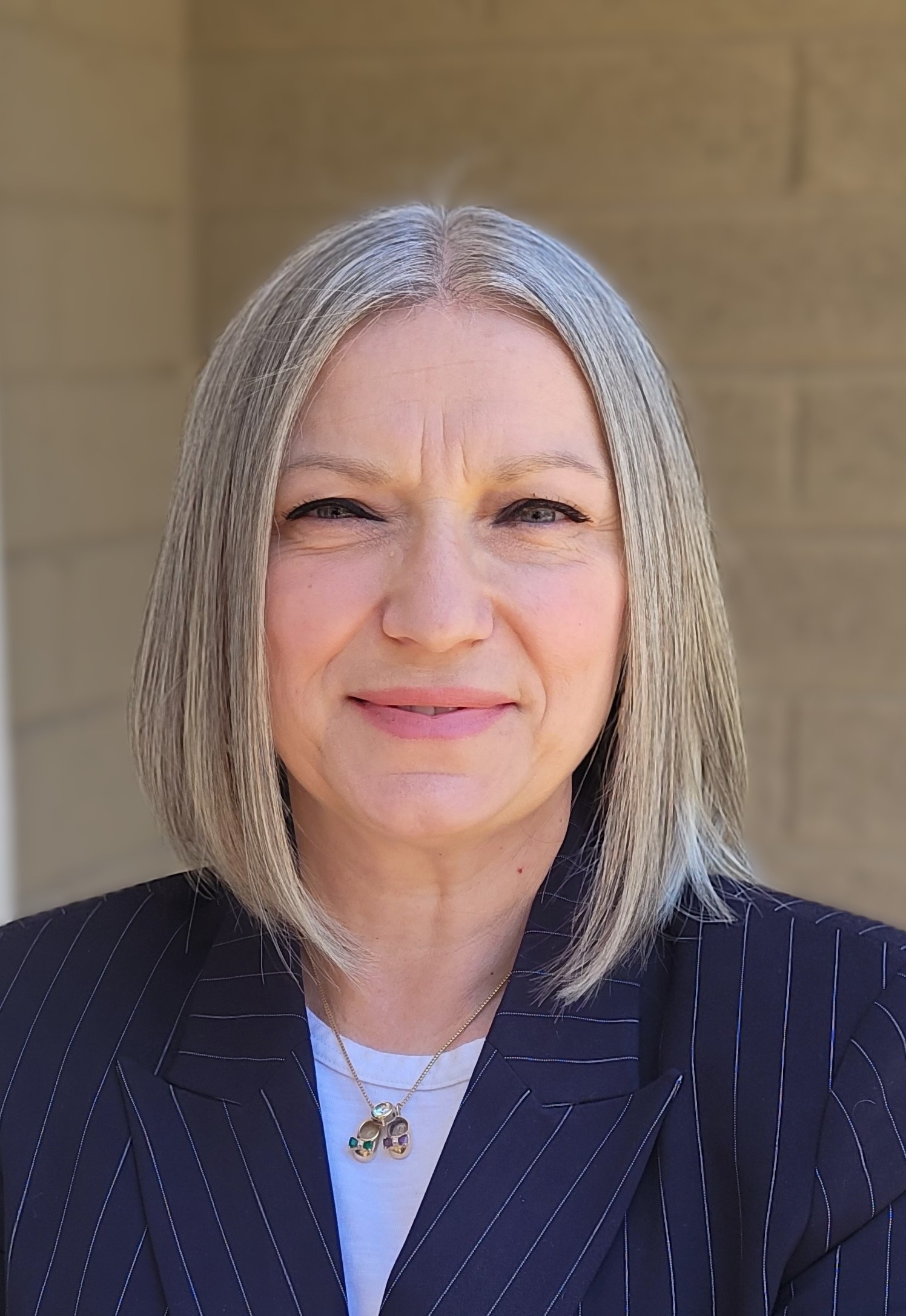
CEO
Dr. Ildi Laczko-Kerr has decades of experience as leader in government, schools, non-profit organizations and professional learning. Ildi’s served the Arizona Department of Education as Deputy Associate Superintendent of Research and Policy, Scottsdale Unified School District as an Executive Director, and the Arizona Charter Schools Association and the Center for Student Achievement as their Chief Academic Officer. She’s a three-time, educational entrepreneur who’s successfully supported the professional learning of thousands of educators.
In 2021, Ildi launched Ribbit Learning a technology platform that helps schools and districts improve student achievement, develop and retain educators by providing educators personalized, virtual instructional coaching.
Ildi earned her PhD in Educational Psychology, focused on Learning and Instructional Technology from Arizona State University. She’s a published researcher, national presenter and an award-winning leader, receiving the Emerging Leader award from Phi Delta Kappa.